DAVAO RADIO BROADCASTER CONVICTED FOR ONLINE HARASSMENT
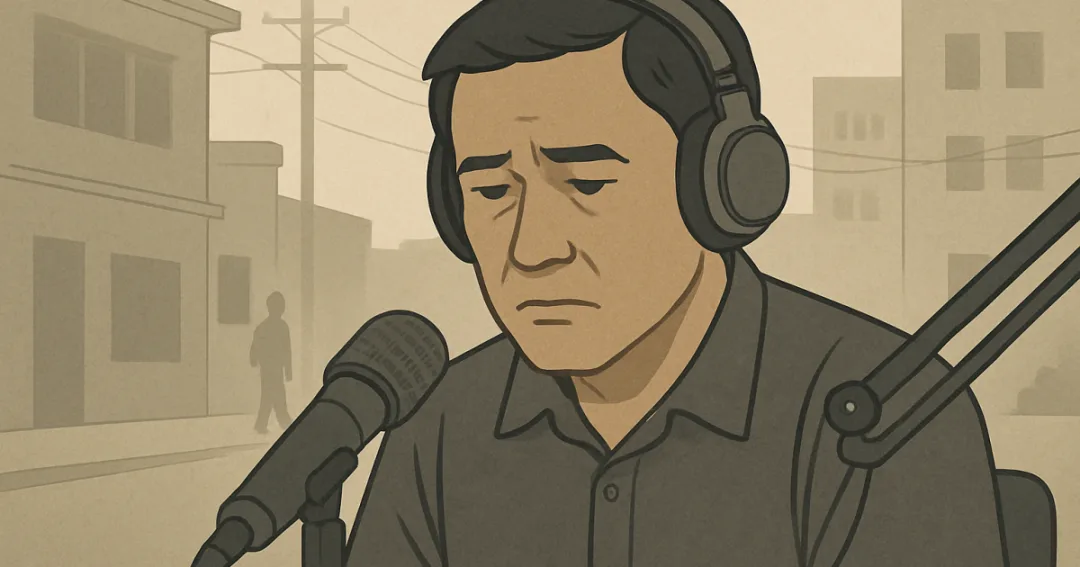
The conviction of a Davao-based radio broadcaster for online harassment marks a notable moment in the evolving relationship between media, digital platforms, and accountability. At its core, the case underscores a simple but often-contested principle: freedom of expression does not extend to the sustained targeting, humiliation, or intimidation of individuals. For a profession that relies on public speech, this ruling sends a clear signal that ethical boundaries apply not only on air but also in the digital spaces where many journalists now extend their reach. It is a reminder that the power of the microphone and the power of the keyboard are intertwined, and both carry responsibilities.
This development must be viewed against the broader backdrop of how online discourse has transformed public life. Social media has blurred the line between personal and professional communication, allowing public figures, including broadcasters, to cultivate followings that can amplify both legitimate criticism and harmful conduct. In many countries, legal frameworks have been slow to respond to the rise of digital harassment, leaving victims with limited recourse and content creators with ambiguous guidance. A conviction in this context signals that online behavior is no longer seen as a separate or lesser domain, but as an extension of public conduct subject to the same norms and, when necessary, sanctions.
For the media sector, the case raises important questions about internal standards and self-regulation. Broadcasters and journalists are trained, at least in principle, to distinguish between robust commentary and personal attacks, between public-interest critique and targeted vilification. When online harassment is committed by someone with a media platform, it can appear to blur the line between journalism and abuse, eroding public trust in the profession as a whole. This should prompt newsrooms and media organizations to revisit their codes of conduct, including explicit guidelines on digital behavior, and to reinforce the idea that ethical journalism does not end when the microphone is switched off.
At the same time, any legal response to online harassment must be carefully balanced against concerns about overreach and the chilling of legitimate speech. Laws that are too vague or too broadly applied risk discouraging critical commentary, investigative work, or satire, particularly when powerful interests are involved. The challenge for institutions is to distinguish between speech that is merely offensive and speech that constitutes targeted, harmful conduct. Transparent processes, clear legal standards, and avenues for appeal are essential if such cases are to be seen as protecting the vulnerable rather than silencing dissent.
Ultimately, the conviction of a broadcaster for online harassment should be understood less as an isolated scandal and more as part of a necessary recalibration of norms in the digital age. It invites a wider conversation among media professionals, regulators, educators, and the public about what responsible communication looks like when every post can be broadcast as widely as a radio program. If approached thoughtfully, this moment can encourage stronger digital literacy, more robust ethical training in media institutions, and more respectful online engagement. The goal is not to mute strong opinions, but to ensure that the power of speech—on air or online—is exercised with a sense of duty equal to its reach.