DEFENDING CAMPUS PRESS FREEDOM
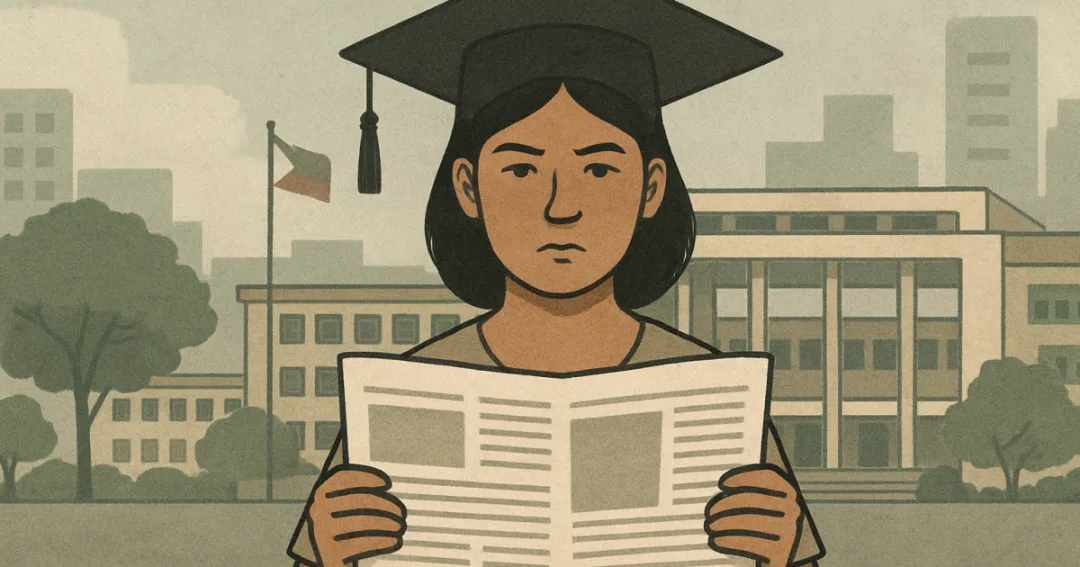
Campus journalism occupies a small physical space but a large democratic one. Student publications are often the first arenas where young people test the boundaries of inquiry, critique, and dissent. When these spaces are constrained—by administrative pressure, funding threats, or informal intimidation—the damage extends beyond a single article or editorial board. It weakens the habit of asking difficult questions and normalizes silence in the face of controversy. Defending campus press freedom, therefore, is not a narrow concern of student writers alone; it is a matter that touches on the quality of public discourse in the future.
Historically, student media have played a recurring role in challenging dominant narratives and highlighting issues that mainstream outlets overlook. Campus newspapers and magazines have documented social movements, questioned institutional policies, and provided platforms for marginalized voices. Because they operate close to the daily realities of students, they can be more agile and less constrained by commercial pressures than professional newsrooms. Yet this proximity to power structures within schools—administrators, boards, and donors—also makes them vulnerable to subtle and overt forms of control. Editorial independence can erode not only through explicit censorship but also through self-censorship born of fear of academic or disciplinary repercussions.
The methods used to influence campus coverage are often procedural rather than dramatic. Control can appear in the form of prior review policies, where administrators insist on vetting articles before publication. It can arise from budgetary leverage, when funding is tied to “cooperative” editorial lines or when critical publications face sudden financial scrutiny. In some cases, access to basic information is restricted, with officials declining interviews or withholding documents that should be open to student scrutiny. Each of these practices narrows the space for honest reporting, even if no formal ban on publication is ever declared.
The implications of such constraints extend far beyond the campus gates. Students who learn journalism in an environment of interference may carry a diminished sense of what a free press should be into their professional lives. Readers who grow accustomed to sanitized campus news may develop limited expectations of media generally, seeing it as a mere extension of institutional messaging. Conversely, when student journalists are allowed to investigate, critique, and occasionally make mistakes in good faith, they gain experience in accountability and ethical responsibility. A culture that supports campus press freedom thus contributes to a more informed citizenry, better prepared to evaluate information and power in wider society.
Defending campus press freedom does not mean placing student media beyond criticism or accountability; it means insisting that such accountability be transparent, fair, and not a pretext for silencing uncomfortable truths. Educational institutions can protect this space by clearly affirming editorial independence, establishing fair grievance mechanisms, and separating financial oversight from content control. Students, faculty, and the wider public can reinforce these norms by treating campus outlets as legitimate participants in public conversation rather than as public-relations tools. In the long run, societies that invest in the freedom of their youngest reporters are investing in the integrity of their future public sphere. The health of campus journalism today is, in many ways, a quiet but telling measure of the health of democracy tomorrow.