DIESEL BREACHES P170/L IN FIFTH FUEL PRICE HIKE
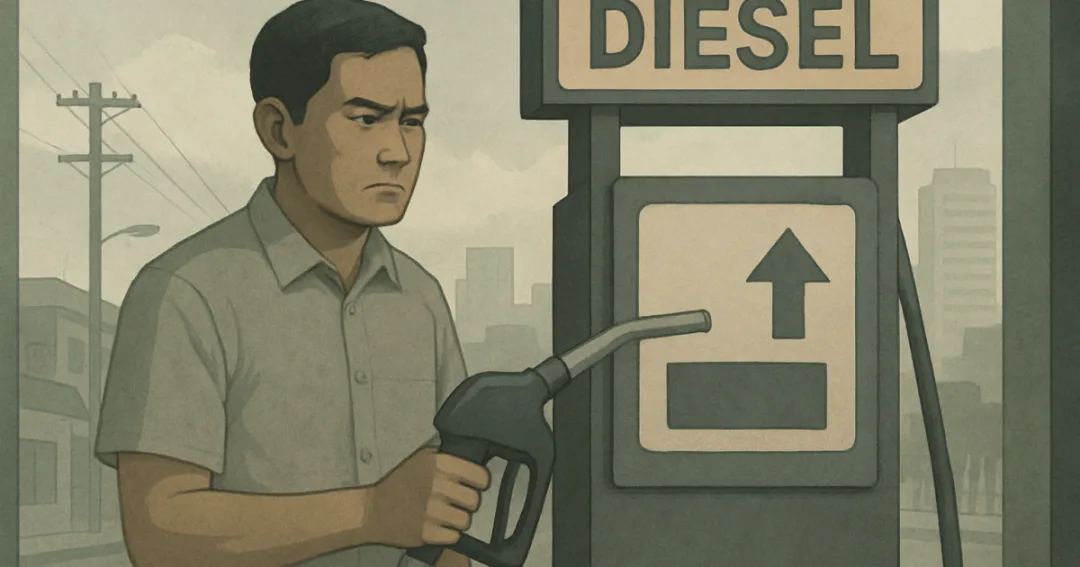
Diesel crossing the P170-per-liter mark in the latest round of fuel price hikes is more than just another line on a receipt; it is a signal of how vulnerable everyday life remains to shifts in global energy markets. For many households and businesses, diesel is not a discretionary expense but a basic input in transport, food distribution, and small-scale industry. When its price rises repeatedly within a short span, the pressure is felt not only at the pump but across the entire chain of goods and services. The fifth consecutive increase underscores that this is not a passing blip but part of a sustained trend. It forces a reconsideration of how the country manages energy dependence, inflation risks, and social protection in an uncertain global environment.
Fuel price surges are hardly a new phenomenon. Over the past decades, the country has seen cycles of sharp increases driven by geopolitical tensions, supply constraints, and shifts in global demand. Each episode has exposed the structural reality that the domestic market is heavily influenced by international benchmarks and currency movements. While regulatory frameworks and taxation policies can moderate some of the impact, they cannot fully insulate consumers from global volatility. The current breach of P170 per liter for diesel fits into this familiar pattern, but its persistence raises questions about how much has actually changed in terms of resilience and preparedness.
The immediate implications are clearest in sectors that rely heavily on diesel, such as public transport, logistics, and agriculture. Transport operators face higher operating costs that they often seek to pass on through fare adjustments, which in turn affect workers and students who depend on affordable mobility. Rising fuel costs can also translate into higher prices for basic goods as traders and suppliers adjust to more expensive deliveries. For small businesses and informal workers, the squeeze can be particularly acute because they have limited capacity to absorb additional expenses or to negotiate better terms. In this way, each week’s adjustment at the fuel pump can quietly erode purchasing power and deepen existing inequalities.
Institutions responsible for economic management and social welfare are thus confronted with a familiar but difficult balancing act. On one hand, there is pressure to intervene through targeted subsidies, tax adjustments, or temporary relief measures for the most affected sectors. On the other hand, such interventions must be weighed against fiscal constraints and the risk of distorting market signals that encourage efficiency and conservation. Beyond short-term relief, there is also the question of whether existing mechanisms for monitoring prices, promoting competition, and encouraging alternative energy use are sufficient. Public trust depends not only on the measures adopted, but on the perception that decisions are transparent, data-driven, and oriented toward long-term stability rather than short-lived palliatives.
The latest diesel price breach should therefore be read as both a warning and an opportunity. It highlights the urgency of accelerating efforts to diversify energy sources, improve public transport systems, and strengthen safety nets that can cushion the most vulnerable from external shocks. It also invites a more honest public conversation about the trade-offs inherent in fuel taxation, consumption patterns, and environmental commitments. While no country can fully escape the pull of global oil markets, it can choose how exposed its people are to each new spike. The challenge now is to move beyond reactive responses and to treat this fifth consecutive hike as a catalyst for more deliberate, long-range energy and economic planning.