DIGITAL BANKS DOMINATE FORBES’ BEST PHILIPPINES BANKS
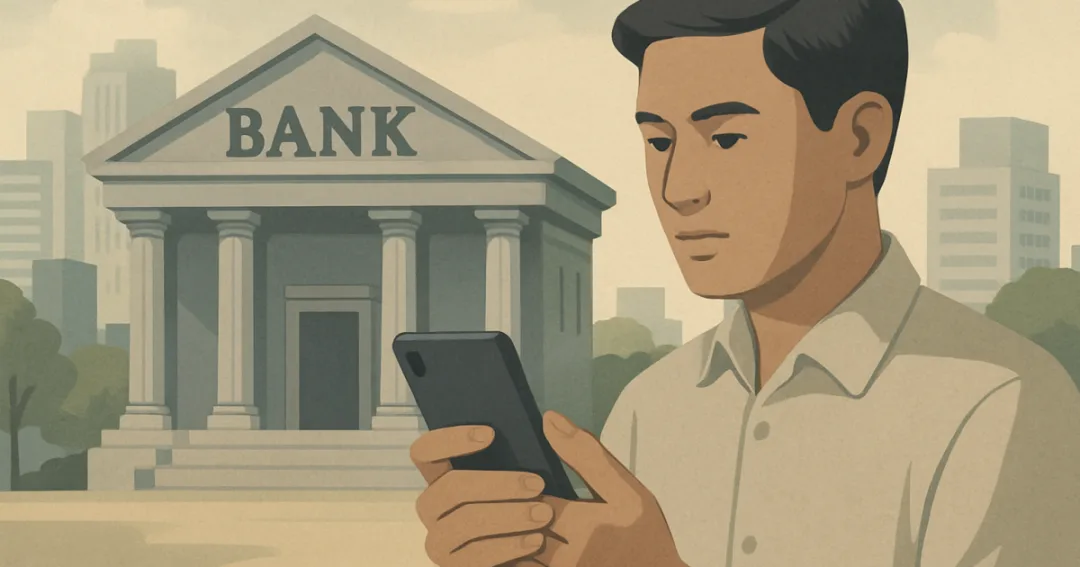
The prominence of digital banks in recent rankings of the best banks in the Philippines reflects a structural shift in how financial services are delivered and perceived. What was once a sector dominated by long-established brick‑and‑mortar institutions is now being reshaped by app‑based players that exist largely on smartphones rather than on street corners. This shift matters because banking is not just another consumer service; it is the backbone of savings, payments, and credit for households and businesses. When digital banks begin to dominate lists of top performers, it signals that customers increasingly value convenience, user experience, and accessibility alongside traditional measures of stability and reach. The conversation is no longer about whether digital banking will gain traction, but about how quickly it will redefine expectations for the entire industry.
Historically, banking in the Philippines, as in many countries, has been constrained by geography, paperwork, and legacy systems. Opening an account could mean long queues, multiple forms, and physical presence at a branch, effectively excluding many who lived far from urban centers or lacked the time and documentation. The rise of mobile connectivity, combined with regulatory support for digital innovation, has gradually lowered these barriers. Digital banks have capitalized on this environment by offering streamlined onboarding, simplified interfaces, and often more competitive pricing on deposits and services. Their recognition in international rankings is less about prestige and more about validation that a technology‑first model can deliver real value in a market long underserved by traditional channels.
The growing visibility of digital banks carries important implications for financial inclusion and consumer behavior. On one hand, app‑based accounts and low‑friction transactions can help bring more people into the formal financial system, especially younger users and those in remote areas with reliable mobile coverage. On the other hand, the ease of access to credit and instant payments can introduce new risks if users are not adequately informed about fees, data privacy, and responsible borrowing. The challenge for regulators and institutions is to balance innovation with safeguards, ensuring that rapid adoption does not outpace consumer protection frameworks. As digital banks gain recognition, they also inherit a responsibility to communicate clearly and to design products that support long‑term financial health rather than short‑term engagement.
For traditional banks, the rise of digital leaders in prestigious rankings serves as both warning and opportunity. It underscores that a recognizable brand and extensive branch network are no longer sufficient differentiators in a market where customers compare services with a few taps. Many established players are responding by accelerating their own digital transformations, investing in better mobile applications, online onboarding, and data‑driven services. Collaboration is also emerging, with some conventional institutions partnering with fintech providers or adopting elements of the digital‑only model. The competitive pressure created by digital banks can, if managed well, lead to a higher baseline of service quality across the sector, benefiting consumers regardless of which institution they choose.
Looking ahead, the real test is whether digital banks’ current prominence translates into durable trust and resilience. Rankings can spotlight innovation and customer satisfaction at a moment in time, but banking remains a long‑horizon relationship built on reliability, security, and prudent risk management. As digital players grow, they will face the same questions that have long confronted traditional institutions: how to weather economic cycles, protect customer data, and sustain operational integrity. For the Philippine banking sector, the rise of digital banks in international lists should be seen not as an endpoint but as an inflection point. The next phase will be defined by how effectively the system blends