EX-PRESIDENT DUTERTE’S YOUNGEST BROTHER DIES
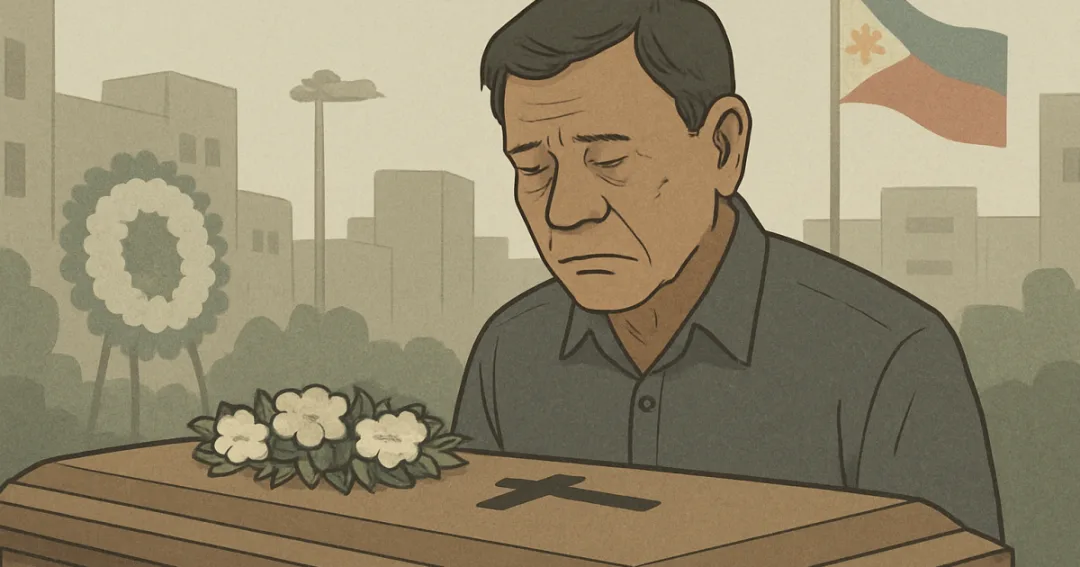
News of the death of former president Rodrigo Duterte’s youngest brother has been received with a mixture of sympathy, curiosity, and quiet reflection across the Philippines. In a country where public life often blurs into the personal, the passing of a close family member of a former head of state inevitably becomes a matter of public interest. While the individual himself may not have been a prominent national figure, his relationship to a former president places his death within the sphere of public discourse. This moment invites a more measured consideration of how societies respond to the private grief of political families, and what it reveals about the way citizens relate to their leaders.
The Duterte family has long been a central presence in Philippine political life, particularly in the southern regions and, more recently, on the national stage. For many Filipinos, the family name is associated not only with a particular style of governance but also with a broader political era marked by intense debate, strong loyalties, and deep divisions. The death of a younger sibling underscores that behind the public image of power and controversy lies an ordinary family subject to the same vulnerabilities as any other. When a political clan experiences loss, it reminds the public that the figures often seen in starkly political terms also carry private burdens, histories, and relationships that never fully enter the limelight.
Moments like this also highlight the role of media and public institutions in balancing transparency with respect. There is legitimate news value in reporting the death of a close relative of a former president, especially when the family remains influential in ongoing political conversations. Yet the coverage and commentary surrounding such events test the boundaries between necessary public information and intrusive scrutiny. Responsible reporting does not dwell on speculation or dramatization but instead situates the event within broader social and political realities, allowing space for both public awareness and private mourning.
The public reaction to such a death can also serve as a subtle barometer of the national mood toward the broader political legacy involved. Expressions of condolence, or the lack thereof, may reflect how citizens have processed the years of the Duterte presidency and its aftermath. Some will see this as a moment that calls for basic human solidarity, regardless of political persuasion; others may remain emotionally distant, viewing the news through the lens of unresolved grievances or strong support. These varied reactions illustrate how deeply political narratives can shape even our most human responses, and why societies must continually strive to separate personal loss from partisan conflict.
In the longer view, the passing of a member of a prominent political family is a reminder that leadership, influence, and power are all ultimately transient. Political eras begin and end, public figures rise and fade, but the human experiences of birth, illness, and death remain constant and shared. As the country continues to navigate its evolving political landscape, this event can be an occasion for quieter reflection on how citizens remember, assess, and move beyond any one administration or family. It underscores the need for institutions strong enough to transcend personalities, and for public discourse mature enough to acknowledge both the humanity of leaders and the primacy of the common good.