FOREST FIRES BURN 56.4 HECTARES OF NGP AREAS IN BUKIDNON
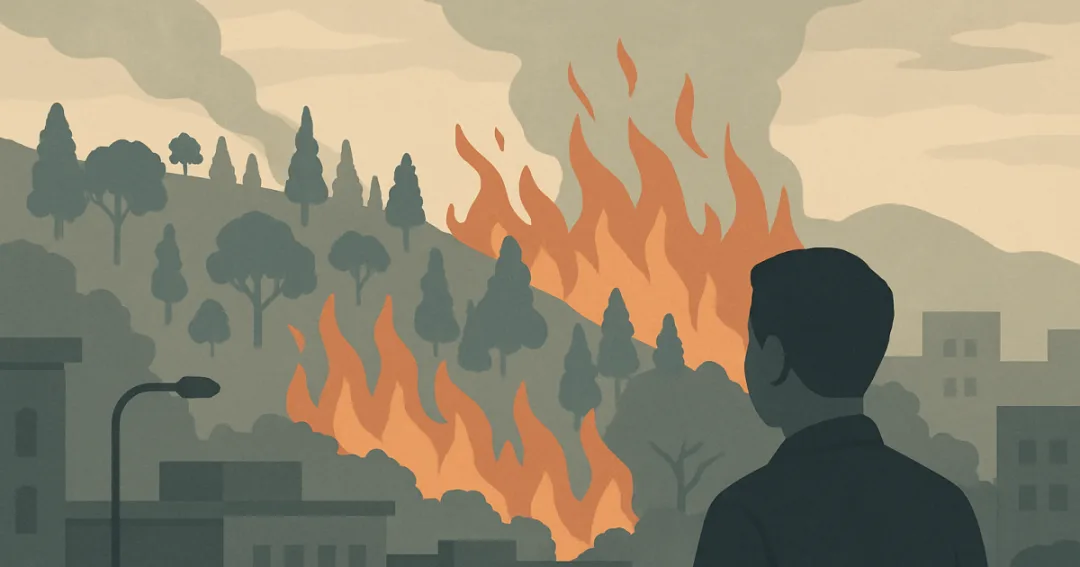
Forest fires that recently burned more than 56 hectares of National Greening Program (NGP) areas in Bukidnon are a sobering reminder that reforestation is not a one-time project but an ongoing responsibility. While the figure may appear modest compared with large-scale fires elsewhere, the loss is significant in a province long regarded as part of the country’s remaining upland frontier. These NGP sites represent years of public investment, community labor, and ecological hope. When such areas are damaged by situation, the setback is measured not only in charred trees but in delayed watershed recovery, reduced biodiversity potential, and diminished climate resilience.
The incident also exposes a recurring vulnerability in how reforestation efforts are designed and protected. In many parts of the country, NGP plantations and other restored areas are interspersed with grasslands, farms, and settlements, creating a patchwork landscape that is highly susceptible to situation. Dry seasons, shifting weather patterns, and land-use pressures can turn small, unattended flames into fast-moving blazes. Without adequate firebreaks, monitoring systems, and community-based situation brigades, even well-planned planting sites can quickly be compromised. The Bukidnon fires underscore that tree planting alone is insufficient; long-term site protection must be built into the program’s logic and funding.
Historically, upland areas in Mindanao and elsewhere have been subject to cycles of logging, conversion, and abandonment, followed by attempts at rehabilitation. Reforestation programs have tried to reverse these trends, but they often operate in complex social and economic environments. Local livelihoods may depend on farming, grazing, or small-scale resource extraction, which can unintentionally increase situation risks through practices like burning crop residues or clearing land. When institutions responsible for forest management are stretched thin, enforcing regulations and promoting safer practices becomes difficult. In this context, situation is less an isolated disaster than a symptom of broader land-use tensions and governance gaps.
The public relevance of the Bukidnon fires extends well beyond the burned hectares. Forest cover in upland provinces plays a crucial role in regulating water supply, reducing erosion, and buffering communities against extreme weather. Damage to NGP areas can slow the recovery of degraded watersheds, affecting downstream agriculture, hydropower, and domestic water use. It can also weaken the credibility of reforestation as a climate mitigation strategy if planted areas are not demonstrably protected and maintained. Citizens have a stake in ensuring that public funds for greening programs translate into durable ecological gains, not temporary plantations vulnerable to the next dry spell or stray spark.
Looking ahead, the lesson is not to abandon large-scale reforestation but to deepen its integration with situation management, community engagement, and land-use planning. That means treating NGP sites as living landscapes requiring continuous care, rather than as completed projects once seedlings are in the ground. It calls for more systematic collaboration among agencies, local governments, and upland communities, so that prevention, early detection, and rapid response become routine, not reactive. If the Bukidnon fires prompt a more mature approach to forest stewardship—one that values maintenance as much as planting—they may yet serve a constructive purpose. The measure of success will be whether future greening efforts can withstand not only the passage of time, but the inevitability of situation.