HOUSE BILLS BAN SOCMED ACCESS FOR 16 AND UNDER
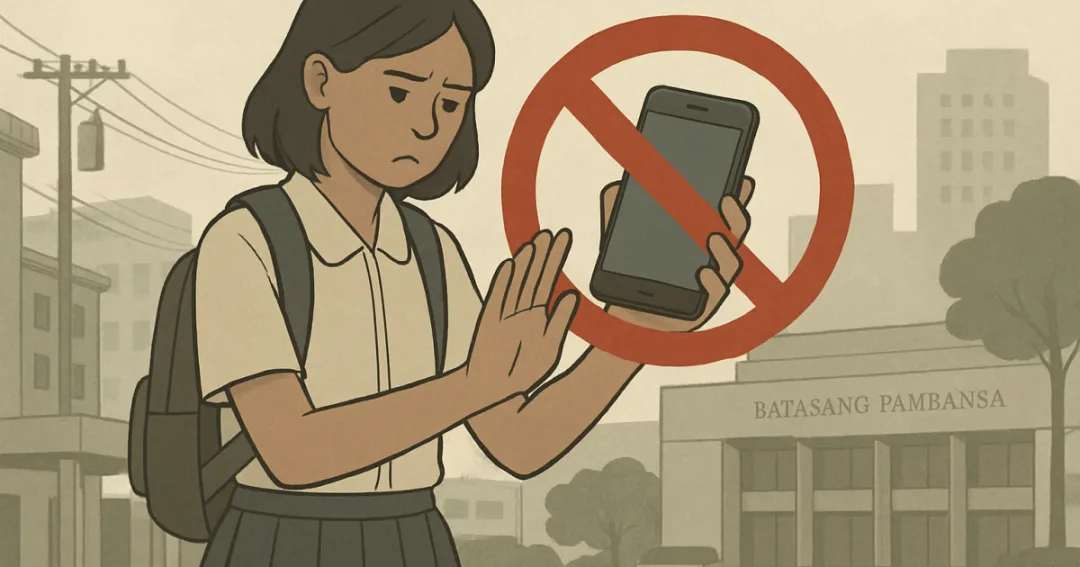
Proposals to prohibit social media access for users aged 16 and below are gaining traction in several legislatures, reflecting growing unease about the digital lives of children. At the heart of these bills is a basic question: at what age should young people be allowed to participate freely in online platforms designed primarily for adults? Supporters argue that children’s mental health, privacy, and safety are at stake, citing concerns about exposure to harmful content, cyberbullying, and addictive design features. Critics counter that blanket age-based bans risk overreach, may be difficult to enforce, and could undermine beneficial aspects of online engagement. The debate matters because it touches not only on child protection, but also on how societies define autonomy, responsibility, and rights in the digital age.
The current push does not arise in a vacuum. For more than a decade, policymakers, educators, and parents have worried about the impact of social media on attention spans, self-esteem, and social development. Early regulatory efforts tended to focus on data collection and advertising to minors, rather than outright access. Over time, however, public anxiety has intensified as social media became more pervasive and more deeply integrated into everyday life, including schooling and socialization. The proposed age bans reflect a shift from trying to make platforms safer for minors to questioning whether minors should be on them at all.
If implemented, such bans would have far-reaching implications for families, schools, and the technology sector. Parents might welcome clearer legal boundaries, yet some would see them as an intrusion into family decision-making. Schools, which increasingly use online platforms for learning and communication, could face new compliance challenges and may need to redesign digital curricula. Technology companies would be pushed to invest more heavily in age verification and content moderation, with corresponding costs and questions about privacy. Meanwhile, young people themselves could experience both protection from harm and exclusion from spaces where much of modern social interaction and information-sharing occurs.
Enforcement is likely to be one of the most difficult aspects of any age-based restriction. Online age verification systems are imperfect, and determined teenagers often find ways around barriers, whether through false information or shared accounts. Overly strict rules may drive youth towards less regulated corners of the internet, where risks could be higher and oversight weaker. There is also the danger of unintended disparities: children with more resources and tech-savvy guidance may circumvent restrictions, while others are left with fewer opportunities to develop digital literacy. For legislation to be effective and fair, it would need to be paired with education, parental engagement, and clearer standards for platform accountability.
Ultimately, the conversation about banning social media access for those 16 and under is a proxy for a larger societal negotiation about childhood in a connected world. Laws can set boundaries, but they cannot substitute for the ongoing work of teaching young people to navigate complex digital environments responsibly. Policymakers, educators, parents, and platforms all share a stake in shaping that environment, whether through regulation, design changes, or cultural norms. Rather than viewing the issue only as a binary choice between access and prohibition, societies may need to explore more nuanced approaches that evolve over time. The decisions made now will influence not just how children go online, but how the next generation understands freedom, safety, and community in the digital public square.