PHONES WILL BE EVEN MORE EXPENSIVE THROUGHOUT 2026
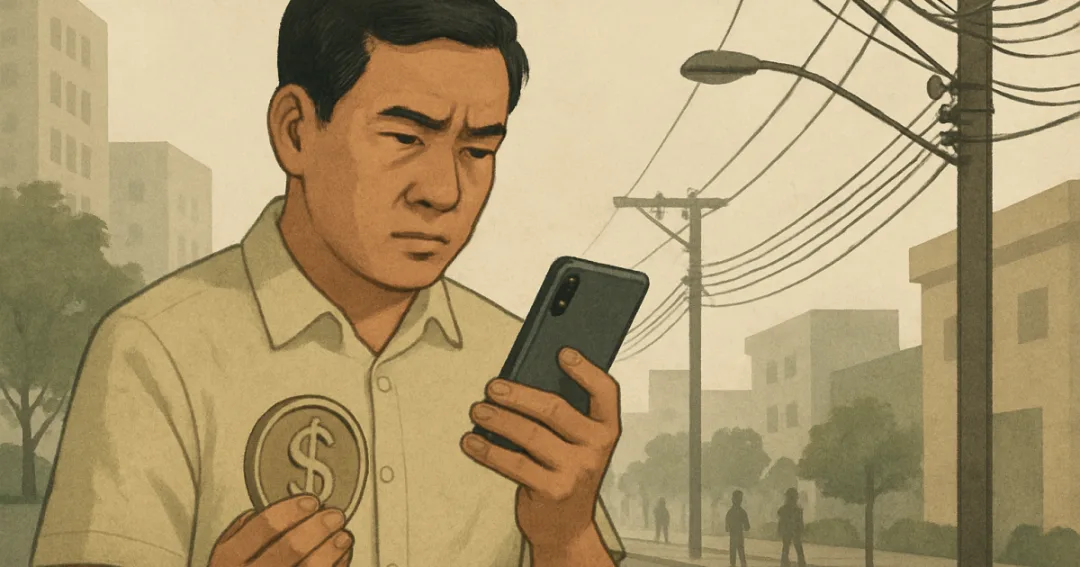
For many consumers, the expectation that each new year will bring more affordable and capable smartphones is starting to feel outdated. The trajectory into 2026 points instead toward further price increases, or at best, stubbornly high costs for devices that used to become cheaper over time. This shift matters because phones have moved from being luxury gadgets to essential infrastructure for work, education, and everyday transactions. When prices rise faster than incomes, access to this basic tool of modern life becomes more uneven. The story of phone pricing in 2026 is not just about gadgets; it is about participation in the digital economy.
Several forces have gradually reshaped the economics of smartphone production. Over the past decade, manufacturers have packed devices with more complex components, from high-resolution displays to advanced camera systems and increasingly powerful processors. Each new generation of technology requires heavy investment in research, development, and manufacturing capacity. Supply chains, once optimized for low cost and just‑in‑time delivery, have also become more fragile and more expensive to manage. When these pressures converge, they tend to be passed on to the consumer in the form of higher retail prices or fewer discounts.
The broader market context also encourages prices to stay elevated. In many regions, the smartphone market is mature, with slower growth in the number of new users and longer replacement cycles as devices remain usable for more years. When people upgrade less frequently, companies are under pressure to extract more revenue from each sale, often by focusing on premium tiers. At the same time, software updates and new features are increasingly tied to higher‑end models, subtly nudging buyers away from the most affordable options. While budget and mid‑range phones still exist, the marketing emphasis on flagship devices shapes perceptions of what a “normal” price for a phone should be.
For the public, the implications of sustained high prices are both practical and social. Households may delay upgrades, making do with aging devices that struggle with newer apps or security standards. This can widen the gap between those who can afford frequent upgrades and those who cannot, especially in areas where government services, banking, and education are delivered primarily through mobile platforms. Institutions that rely on digital engagement may need to consider how their design choices affect users with older hardware. In this environment, discussions about digital inclusion cannot ignore the rising cost of the basic device itself.
Looking ahead to 2026 and beyond, the challenge will be to balance innovation with accessibility. Manufacturers and service providers may explore models that spread costs over longer periods, prioritize repairability, or support devices with software updates for more years. Regulators, consumer advocates, and industry groups can help frame the conversation around fair access, transparency in pricing, and sustainable product lifecycles. Consumers, for their part, may become more discerning, questioning whether each new feature justifies a higher price. If the coming years are marked by more expensive phones, they may also be marked by a more deliberate debate over what kind of digital future is being built, and for whom.