GET A FREE PHONE IF YOU BUY A MEGABOOK K SERIES LAPTOP
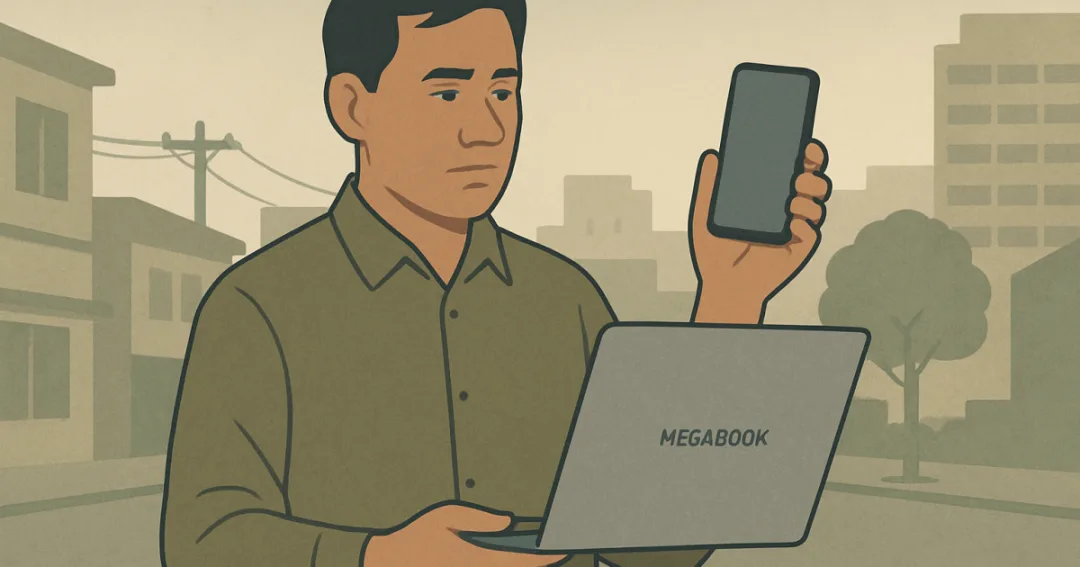
Promotions that bundle a free phone with the purchase of a laptop, such as offers tied to Megabook K Series devices, illustrate how aggressively the personal technology market now competes for attention. At first glance, the proposition is simple: buy a work-focused machine and receive a communication tool at no extra cost. For many consumers, especially students and young professionals, the appeal is obvious because it promises to stretch limited budgets. Yet behind the attractive headline lies a complex mix of marketing strategy, consumer psychology, and questions about long-term value.
Historically, “buy one, get one” incentives have been common in sectors such as telecommunications and household electronics. As laptops and smartphones have become everyday necessities rather than luxury items, companies have adapted these tactics to higher-priced gadgets. Bundling a laptop with a phone allows brands to position themselves as ecosystem providers rather than single-product vendors. It also reflects a marketplace where hardware specifications alone are no longer enough to differentiate one device from another, pushing firms to compete instead on perceived total value.
From the consumer’s perspective, the key issue is whether the free phone genuinely enhances the purchase or simply nudges buyers toward a decision they might otherwise reconsider. A bundled device could be a practical backup, a gift for a family member, or an entry point into a unified suite of apps and services. At the same time, promotions can obscure trade-offs: the laptop’s price may quietly factor in the cost of the phone, or the bundled model may be less capable than the devices consumers would choose independently. The risk is that the excitement of getting something “for free” distracts from a careful evaluation of performance, durability, after-sales support, and total cost of ownership.
For the broader market, such offers signal intensifying competition and shifting priorities in how technology is sold. When brands rely heavily on bundles, they may reinforce expectations that major purchases should always come with extra incentives, making it harder for smaller players to compete on straightforward pricing and quality. These promotions can also influence upgrade cycles, encouraging consumers to replace devices earlier than necessary, with environmental implications that are rarely discussed in advertising. Institutions concerned with consumer protection and sustainability may increasingly scrutinize how these deals are presented and whether they promote responsible purchasing habits.
Ultimately, promotions like “get a free phone if you buy a Megabook K Series laptop” are not inherently good or bad; their value depends on how thoughtfully they are designed and how critically they are received. Consumers benefit most when they approach such offers with clear priorities: identifying their real needs, comparing alternatives, and reading the fine print before committing. For technology brands, there is an opportunity to pair aggressive marketing with transparent terms and reliable support, strengthening trust rather than merely chasing short-term sales. As digital devices become ever more central to daily life, the measure of a successful promotion will be not just how many units it moves, but how well it serves the long-term interests of the people who rely on these tools.