JANICE TJEN
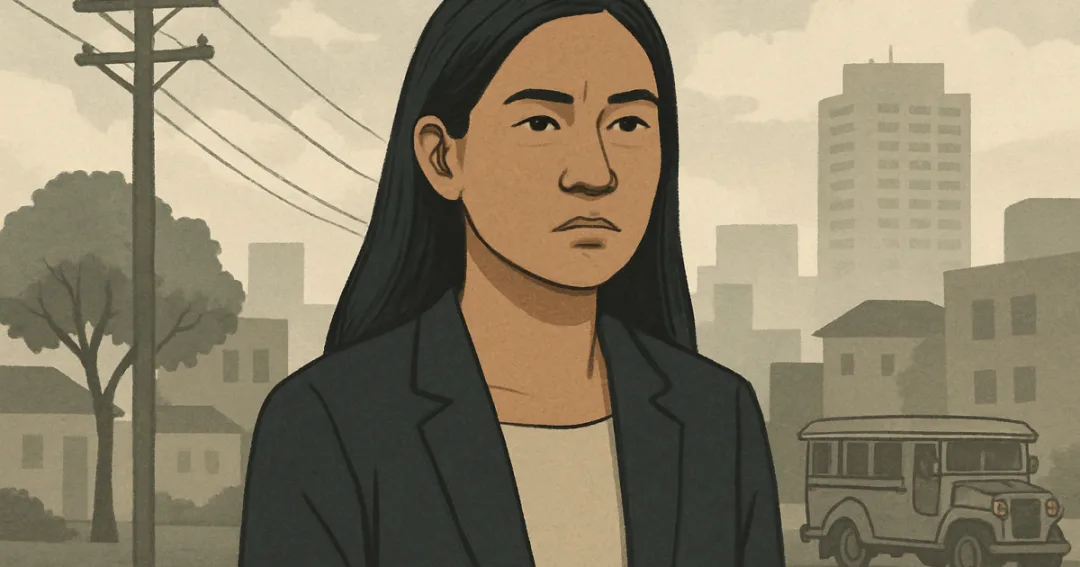
In recent years, the name Janice Tjen has begun to surface more often in conversations about emerging tennis talents from Southeast Asia. While she is not yet a household name on the global stage, her gradual rise reflects a familiar yet still underappreciated story: that of an athlete navigating the demanding transition from junior promise to professional relevance. This stage is rarely glamorous. It is defined less by trophies and headlines, and more by incremental progress, personal discipline, and the quiet accumulation of experience. Paying attention to such careers matters because they illuminate how sporting ecosystems actually work beneath the spotlight.
Athletes like Tjen emerge from complex layers of development—local clubs, national programs, educational institutions, and regional competitions. Each layer brings both opportunity and constraint, especially in countries where tennis is not the primary sport. Support structures can be uneven, resources limited, and pathways less clearly defined than in traditional powerhouses. In this context, any player who manages to gain traction internationally is not just advancing a personal dream but also testing the capacity of their country’s sporting framework. Their progress becomes an informal assessment of how well those systems can identify, nurture, and retain talent.
The journey of a rising tennis player is also a reminder of how globalized and unforgiving the sport has become. Rankings are determined by constant travel, exposure to different playing styles, and the ability to compete mentally and physically week after week. For players from emerging tennis nations, the barriers are not only technical but also logistical and financial. This reality underscores why incremental achievements—qualifying for higher-level events, earning ranking points, or gaining collegiate experience—carry a significance that may not be obvious to casual observers. Each small step suggests both individual resilience and the presence, however fragile, of a support network.
There is a broader public relevance to following careers like Tjen’s beyond the narrow lens of match results. Young athletes and their families often look for concrete examples when deciding whether a serious commitment to sport is realistic. When they see someone from a similar background competing internationally, it can subtly expand their sense of what is possible. At the same time, policymakers, federations, and private stakeholders may use such careers as reference points when deciding where to allocate resources or how to refine development programs. Even without grand victories, the steady progression of one player can help shape expectations about what a country or region can aspire to in tennis.
Ultimately, the story of Janice Tjen at this stage is less about definitive outcomes and more about trajectories. She stands as a representative of a growing cohort of athletes from non-traditional tennis markets who are quietly testing the boundaries of what their environments can support. Whether she eventually breaks through to higher levels or not, her efforts contribute to a broader learning process about talent cultivation, opportunity, and ambition. For observers, the task is to look beyond headline rankings and recognize the value of these formative years. In doing so, we gain a more realistic, and perhaps more respectful, understanding of what it takes to build a career in modern sport.
![[Walang Pasok] Class Suspensions, Friday, December 5, 2025](https://tarana360.com/articles/images/2025-12/walang-pasok-class-suspensions-friday-december-5-2025-1080.webp)