GOV’T URGED: ASK IRAN TO LET PH-BOUND OIL TANKERS PASS
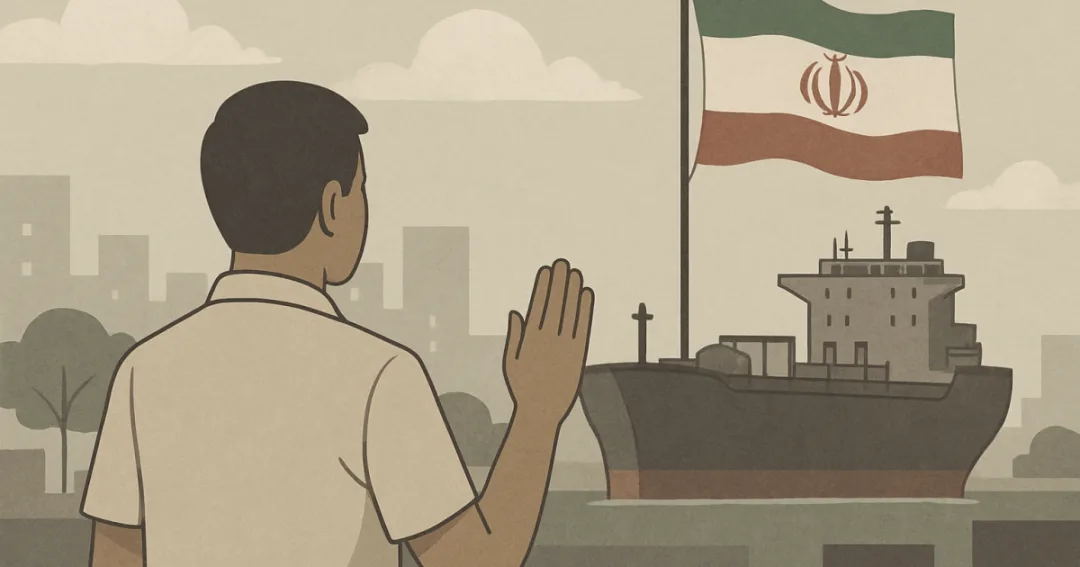
Calls for the government to ask Iran to allow Philippine-bound oil tankers safe passage underscore how exposed the country remains to developments far beyond its borders. While the immediate concern appears technical and diplomatic, the underlying issue is strategic: the security of energy supplies in a region that imports most of its fuel. Any disruption to tanker routes, whether due to regional tensions or shifting security conditions, can ripple quickly through domestic markets. That means higher pump prices, pressure on transport and food costs, and renewed anxiety for households already coping with inflation. The appeal for diplomatic engagement is therefore less about abstract geopolitics and more about the daily realities of a fuel-dependent economy.
The situation also highlights how maritime chokepoints and regional conflicts can affect states that are not parties to those disputes. Shipping routes that pass near or through areas of tension have long been vulnerable to blockades, harassment, or sudden changes in security posture. Historically, episodes of instability in the broader Middle East have translated into supply uncertainty and price volatility for import-dependent nations. For the Philippines, which relies on foreign-flagged vessels, foreign insurers, and foreign capital to move its energy supplies, these distant frictions can quickly become a domestic headache. The call to engage Iran diplomatically is, in this sense, a recognition that energy security now requires proactive, not merely reactive, diplomacy.
At the same time, any approach to Iran must be handled with prudence and respect for the complex web of international relations in which Manila is enmeshed. The Philippines maintains ties with a range of partners that have differing views on Tehran’s regional role and conduct. Navigating this landscape requires a careful balance: asserting the country’s legitimate interest in unimpeded commercial navigation while avoiding entanglement in rivalries that it cannot shape and does not seek to join. Institutions responsible for foreign policy and national security are expected to coordinate closely so that any message sent to Iran is consistent with broader commitments and does not create unintended diplomatic friction. Quiet, measured engagement is often more effective than public grandstanding in such matters.
Beyond immediate diplomatic steps, the issue should prompt a deeper reflection on how the country manages its energy vulnerability. Reliance on imported oil from a relatively narrow set of routes leaves the economy exposed not only to price shocks but also to geopolitical disruptions. Diversifying sources of supply, exploring alternative shipping routes where feasible, strengthening strategic reserves, and accelerating the shift toward more diversified energy mixes are all policy directions that gain renewed urgency in moments like this. Public communication also matters: transparent explanations of risks, options, and contingency plans can help temper speculation and prevent panic. In this way, a moment of external pressure can become a catalyst for more resilient long-term planning.
Ultimately, the call for the government to seek assurances from Iran is a reminder that sovereignty today is exercised not only within borders but along the sea lanes that sustain national life. Protecting those lifelines will increasingly demand a blend of diplomacy, economic strategy, and regional cooperation, rather than reliance on any single partner or approach. While Manila cannot control the course of conflicts abroad, it can choose how prepared it is to absorb their shocks. The present concern over tanker passage should therefore be seen not as a passing controversy, but as part of a larger conversation about how an open, trading nation safeguards its interests in an uncertain world. How decisively and thoughtfully Philippine institutions respond will help determine whether future disruptions are crises—or manageable challenges.