HELPING HANDS
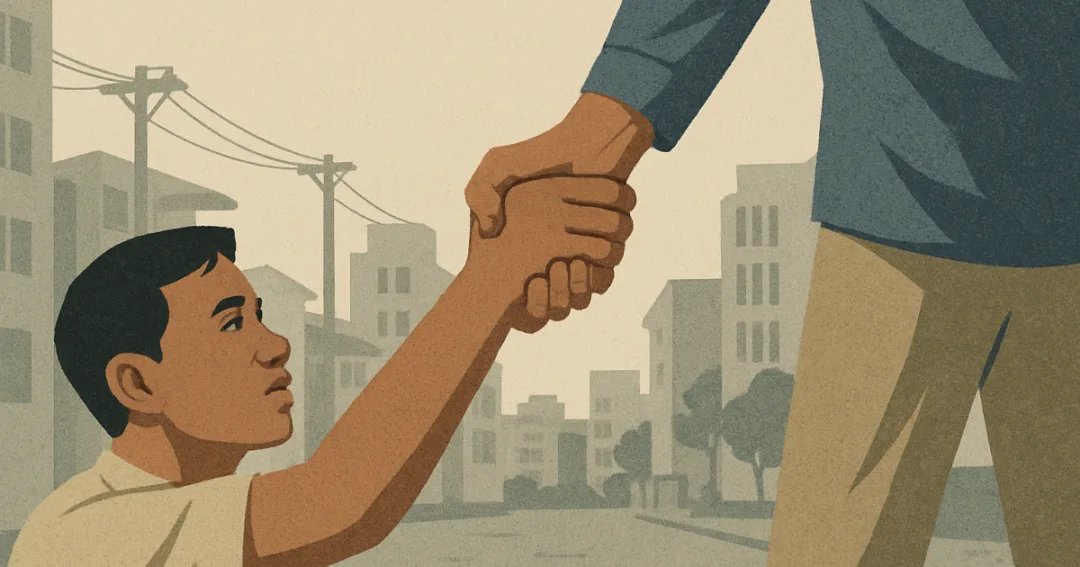
In times of crisis and in the quiet routine of daily life, the phrase “helping hands” often appears as a comforting cliché. Yet behind the familiarity is a serious question about how societies understand responsibility, care, and mutual support. Acts of assistance, whether from individuals, communities, or institutions, reveal the values that a society chooses to uphold. They expose the gap between the ideal of solidarity and the reality many people experience when they reach out for help. Examining how helping hands actually function—who extends them, who receives them, and under what conditions—offers a window into the health of our social fabric.
Historically, helping others has been expressed through families, faith communities, neighborhood networks, and later through formal welfare systems and organized charities. Over time, the balance between informal care and institutional support has shifted, but the underlying tension remains: how much should we rely on personal goodwill, and how much on structured systems? Informal help tends to be immediate and personal but uneven and often dependent on social connections. Institutional mechanisms can be more predictable and inclusive, yet they risk becoming impersonal or slow. A mature society recognizes that neither dimension can fully replace the other; both must be cultivated and made to work together.
The growing visibility of volunteerism, mutual-aid groups, and community initiatives suggests that many people are willing to step forward when they see a need. At the same time, there is a danger in romanticizing these efforts as a complete solution. When public services are weak or inaccessible, citizens may be praised for “helping out,” even as they quietly shoulder burdens that should not fall on them alone. This shift can normalize the idea that essential needs—such as basic health care, education, or disaster response—are best addressed by ad hoc generosity rather than reliable systems. Helping hands are most effective when they complement, rather than substitute for, fair and functioning institutions.
The public relevance of this issue lies in how it shapes expectations: what people believe they owe one another, and what they can reasonably expect from the structures around them. In workplaces, schools, and local communities, cultures of mutual assistance can reduce isolation and foster resilience, particularly for those who are vulnerable or marginalized. Yet help must be offered with dignity and without condescension, avoiding the trap of turning recipients into passive objects of charity. Transparent processes, clear boundaries, and accountability help ensure that assistance is not arbitrary, exploitative, or dependent on personal favoritism. When helping hands are guided by fairness and respect, they strengthen trust and social cohesion.
Looking ahead, the challenge is to move from episodic kindness to a more deliberate ethic of shared responsibility. This means encouraging everyday acts of support while also advocating for systems that do not rely solely on individual heroism. Education, public discourse, and institutional practice can all reinforce the idea that seeking and giving help are normal, not signs of weakness or superiority. A society that takes this seriously will not only celebrate visible gestures of assistance in moments of crisis, but also quietly invest in structures that make support routine, dignified, and accessible. In that balance between personal compassion and collective responsibility, helping hands become not just a comforting phrase, but a durable principle for how we live together.
![[Two Pronged] Is It Okay To Speak To Multiple Women During The ‘Talking Stage’?](https://tarana360.com/articles/images/2025-12/two-pronged-is-it-okay-to-speak-to-multiple-women-during-the-talking-stage-1080.webp)