HERE’S WHY SHIFTING TO SOLAR ENERGY IS A SMART MOVE
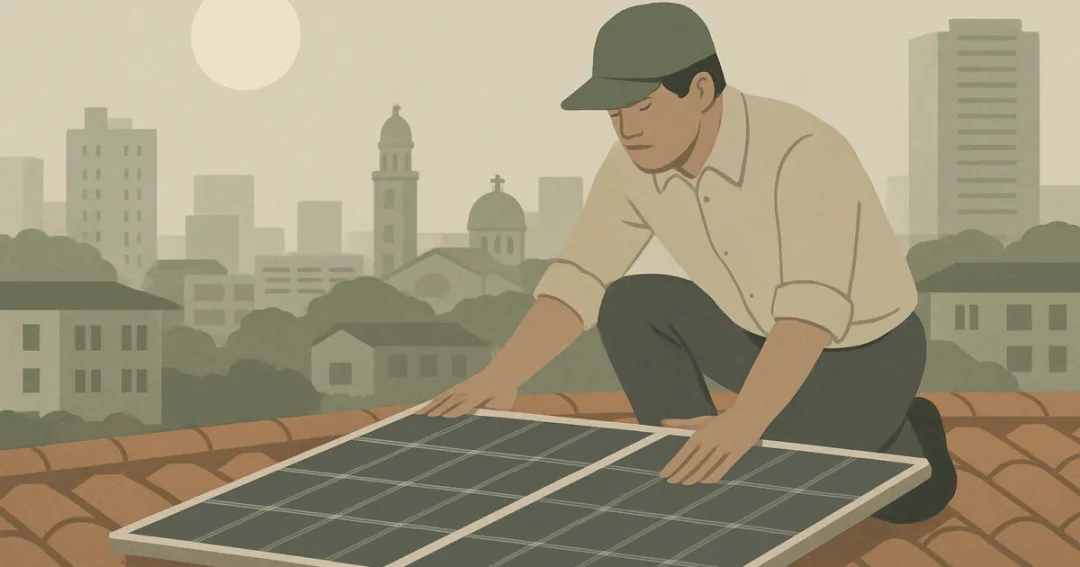
The global conversation on energy is no longer just about keeping the lights on; it is about how we power our lives without undermining the planet that sustains us. Solar energy has moved from the margins of this conversation to its center, as households, businesses, and communities weigh its promise against the familiar comfort of fossil fuels. The appeal is straightforward: sunlight is abundant, predictable in the long term, and free at the point of capture. In an era marked by concerns over climate change, energy security, and volatile fuel prices, the case for shifting to solar is less about idealism and more about practical risk management. The question is no longer whether solar fits into the energy mix, but how quickly and intelligently societies can make room for it.
Historically, energy transitions have been slow and uneven, often shaped by technological breakthroughs and economic pressures. Coal, then oil and gas, each rose to dominance because they were cheaper, more efficient, or more convenient than what came before. Solar initially struggled to compete on those terms, constrained by high costs and limited efficiency. Over time, however, incremental advances in manufacturing, installation methods, and system design have steadily lowered the price of solar power. What once seemed like an expensive niche technology is now, in many regions, competitive with or cheaper than conventional generation, especially when long-term costs are considered. This shift has transformed solar from an environmental aspiration into a mainstream economic option.
The economic logic behind going solar is increasingly compelling at the household and institutional level. While the upfront cost of panels, inverters, and installation can still be significant, the operating expenses are comparatively low, with no fuel to buy and minimal routine maintenance. As electricity prices from traditional sources fluctuate, fixed or predictable solar costs provide a form of insulation against future price shocks. For many users, the payback period—how long it takes for energy savings to cover installation costs—has shortened enough to make the investment less daunting. In addition, various financing models and policy tools, where available, can spread out costs or offer incentives, making solar accessible beyond only the wealthiest segments. Over the lifetime of a well-designed system, the financial case often aligns with the environmental one.
Beyond individual economics, the broader implications of widespread solar adoption are significant. Solar systems distributed across rooftops, fields, and industrial sites can reduce reliance on centralized power generation and long supply chains for fuel. This decentralization can enhance resilience, especially in areas prone to grid disruptions or natural disasters, provided that storage and backup systems are thoughtfully integrated. At the same time, the growth of solar raises important questions about grid management, job transitions in traditional energy sectors, and the sourcing and recycling of solar components. Addressing these concerns requires coordinated planning, realistic timelines, and investment in skills and infrastructure, rather than assuming that technology alone will resolve every challenge. Still, the potential for cleaner air, reduced emissions, and more diverse energy portfolios offers a strong rationale for working through these complexities.
Ultimately, shifting to solar energy is a smart move not because it is flawless, but because it aligns with the direction in which economic, environmental, and technological trends are already pointing. No single energy source will meet all needs, and solar must be integrated with storage, efficiency measures, and complementary technologies to be truly transformative. Yet each new installation, whether on a modest rooftop or a large facility, represents a step toward an energy system that is less exposed to fuel scarcity, geopolitical tensions, and