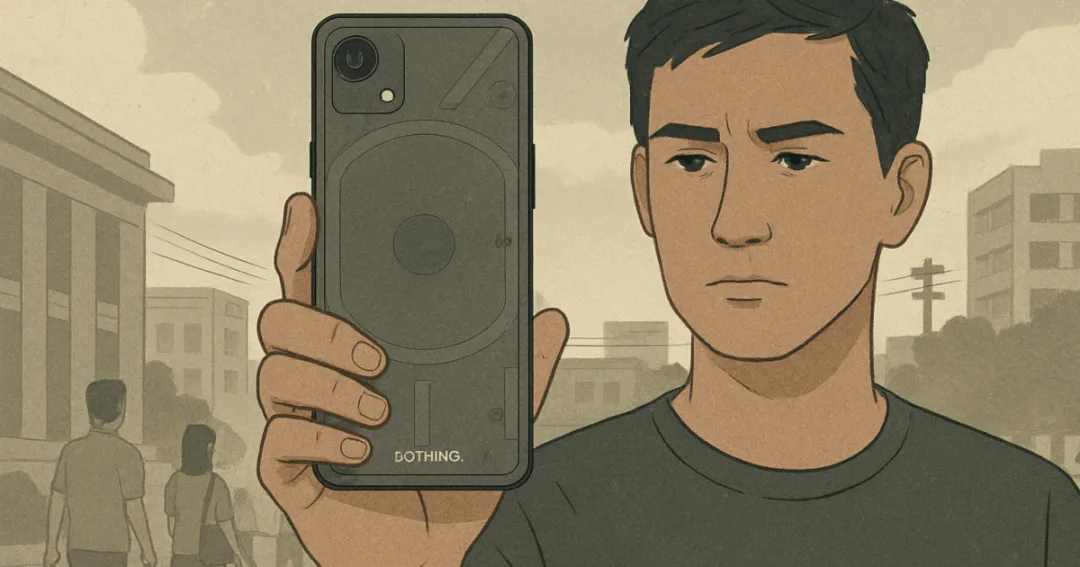
TWO PINOYS ALLEGEDLY ARRESTED IN UAE FOR POSTING VIDEOS OF ATTACKS

Two Filipino nationals have reportedly been arrested in the United Arab Emirates (UAE) for allegedly posting online videos related to recent attacks, according to initial information circulating among overseas communities. Early accounts suggest the two were picked up by local authorities after sharing or commenting on footage that appeared to show assault incidents, though the exact nature of the content remains unclear. As of now, there are no confirmed details from UAE officials or the Philippine government on the circumstances of the arrests. The identities of the Filipinos have also not been made public, pending official verification. Family members and colleagues are said to be seeking clarification through informal channels while waiting for formal notices.
Based on preliminary reports, the case appears to be linked to the UAE’s strict cybercrime and public order laws, which regulate online content and social media activity. Authorities in the Gulf state have long warned residents and expatriates that sharing sensitive videos, including material depicting violence or unrest, can lead to legal consequences. Posting such clips, even with critical or neutral commentary, may be interpreted as spreading unverified information or causing public alarm under local regulations. Filipinos in the UAE, estimated to number in the hundreds of thousands, are frequently reminded by both Emirati officials and Philippine agencies to exercise caution in their digital behavior. This latest incident is prompting renewed discussion in migrant circles about the limits of online expression in host countries.
The Department of Foreign Affairs (DFA) in Manila has yet to issue a formal statement on the reported arrests, and as of now there are no confirmed details about any consular visit or legal assistance extended to the two Filipinos. Standard protocol in such cases involves verifying the incident with the Philippine embassy or consulate in the host country, then coordinating with local authorities to check the individuals’ condition and legal status. Philippine officials typically refrain from commenting publicly until they receive written confirmation from foreign counterparts. According to initial information from community leaders, some have already reached out to the embassy for guidance. Any official update is expected to clarify not only the charges but also the next legal steps.
For many overseas Filipino workers (OFWs) in the Middle East, the reported arrests serve as a reminder of the different legal and cultural frameworks that govern social media use abroad

![[Reflection] Converting To Ai Responsiveness This Lent](https://tarana360.com/articles/images/2026-03/reflection-converting-to-ai-responsiveness-this-lent-1080.webp)