JEEPNEY GROUP TO HALT OPERATIONS OVER FUEL PRICES
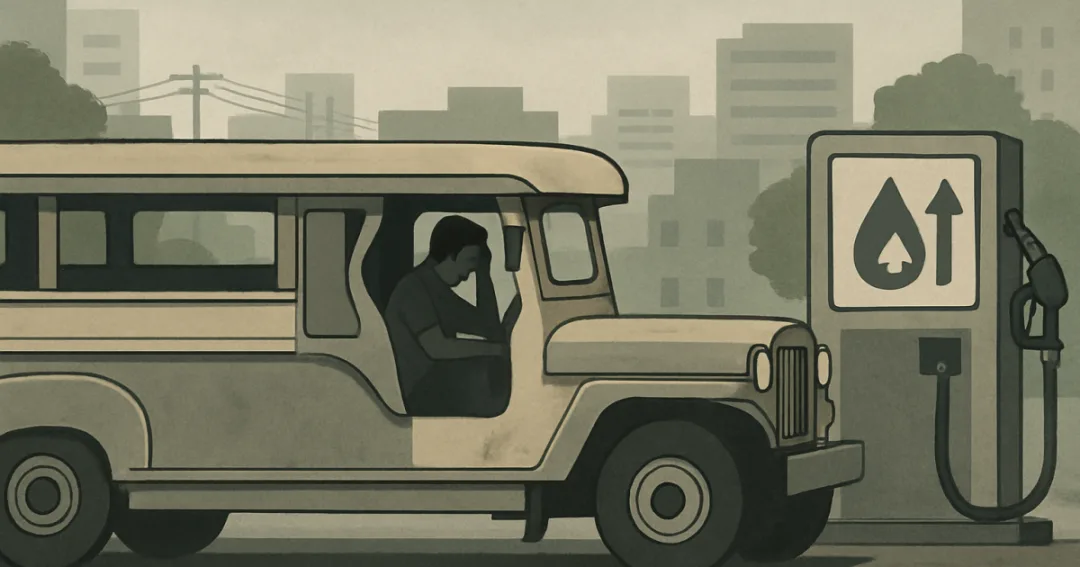
The announcement by a major jeepney group that it will halt operations over rising fuel prices is more than a dispute about fares or profit margins; it is a stress test for an entire urban transport ecosystem. Jeepneys remain a primary mode of daily travel for millions, especially workers and students who depend on low fares and flexible routes. When operators threaten to stop plying the roads, the immediate fear is paralysis: commuters stranded, productivity disrupted, and public frustration rising. Behind that fear lies a deeper question about how long a system built on thin margins and informal arrangements can withstand global price shocks.
The tension between fuel costs and fare levels is not new. For decades, public utility vehicle operators have operated in a delicate balance, adjusting to successive waves of fuel price volatility with limited institutional cushioning. In many cities, fare adjustments are tightly regulated, often lagging behind real-time changes in operating expenses. Operators, typically small-scale and individually financed, have little bargaining power in the fuel market and limited access to financial support. When prices climb quickly, they face an unenviable choice: absorb losses, pass costs on to commuters, or withdraw service altogether.
This latest move to halt operations underscores how exposed public transport remains to external economic forces. Global energy markets, currency fluctuations, and geopolitical tensions all filter down to the pump, and from there to the jeepney driver’s daily ledger. While commuters may see fare hikes as an added burden, many drivers experience fuel price spikes as an existential threat to their livelihoods. In the absence of robust safety nets or systematic fuel subsidy mechanisms, the system depends on individual resilience and improvisation. That is not a sustainable foundation for an essential public service.
The public relevance of this standoff goes beyond the immediate inconvenience of longer queues and crowded alternatives. Transport interruptions affect attendance at schools and workplaces, slow the movement of goods, and can erode trust in institutions perceived as unable to manage recurrent crises. They also complicate broader efforts at transport modernization and environmental policy, because any transition—whether to newer vehicles, cleaner fuels, or different route structures—must be negotiated with operators who are already under financial strain. If the sector feels cornered, resistance to reform hardens, and policy debates risk becoming adversarial rather than collaborative.
A jeepney group’s decision to halt operations over fuel prices should therefore be read as a warning signal rather than a mere bargaining tactic. It points to the need for more predictable mechanisms to cushion sudden fuel spikes, clearer dialogue channels among operators, commuters, and regulators, and a long-term vision that treats public transport as a public good rather than a residual service. Balancing affordability for riders with viability for operators is not a problem that can be solved in emergency meetings each time prices surge. It requires steady policy attention, transparent engagement, and a willingness to confront uncomfortable trade-offs. The current disruption, disruptive as it may be, offers an opportunity to finally move that conversation from the margins to the center of public policy.