KADAYAWAN CULTURAL VILLAGE SET FOR UPGRADE
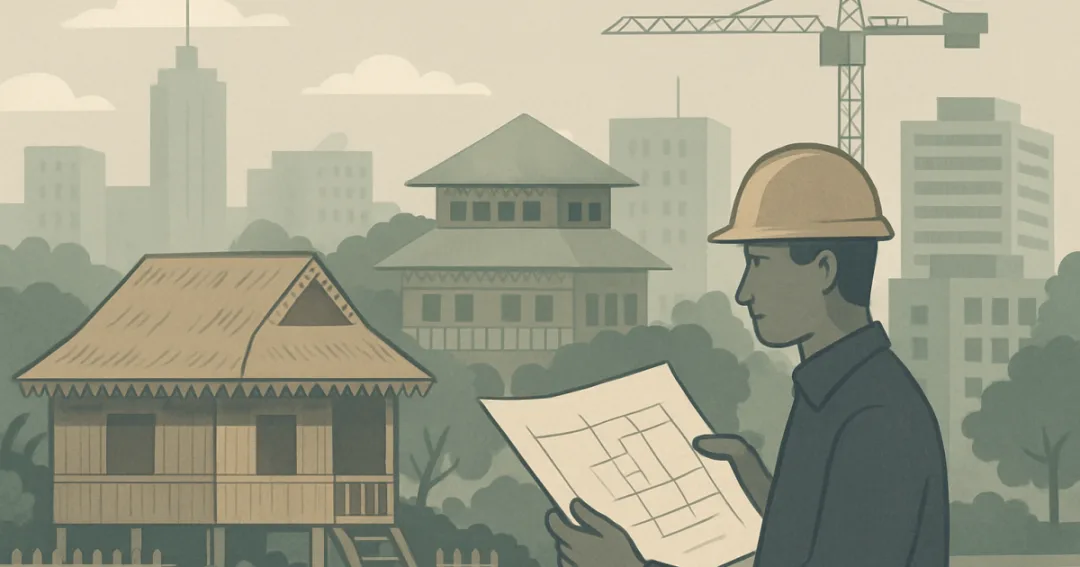
The planned upgrade of the Kadayawan Cultural Village comes at a moment when many communities are reexamining how they present heritage in a rapidly changing society. Cultural villages, long a staple of festival programming, are often treated as static backdrops rather than living spaces that evolve with the people they represent. An upgrade, if done with care, can be more than a cosmetic improvement to structures and exhibits; it can reshape how residents and visitors understand the Indigenous cultures that anchor the Kadayawan celebration. This matters because festivals are not only about spectacle and tourism, but also about how a city narrates its identity to itself and to the world. The way cultural spaces are designed and curated can either reinforce stereotypes or open up more nuanced, respectful engagement.
Kadayawan’s cultural showcase has historically functioned as a compressed window into the lifeways of the region’s Indigenous and local communities. Over time, such spaces can become dated, both in terms of physical infrastructure and interpretive content. Displays that once served their purpose may now appear simplified or disconnected from contemporary realities. An upgrade offers an opportunity to revisit how these cultures are represented, whether through architecture, storytelling, or participatory activities. It is also a chance to correct earlier approaches that may have emphasized exoticism over authenticity, or performance over dialogue.
The broader context is that many cultural villages worldwide are grappling with similar questions. As audiences become more discerning and more conscious of issues like cultural appropriation and representation, the expectations placed on heritage sites have changed. Visitors increasingly look for experiences that are informative rather than merely entertaining, and that acknowledge both the resilience and the challenges faced by Indigenous communities. In this environment, an upgraded Kadayawan Cultural Village could align itself with more contemporary practices in heritage interpretation: co-created narratives, multi-sensory exhibits, and spaces where community members themselves shape the storytelling. Such shifts can help ensure that culture is not frozen in time, but presented as dynamic and evolving.
The implications extend beyond tourism and festival programming. A thoughtfully upgraded cultural village can function as an informal classroom for local residents, especially younger generations who may have limited direct contact with Indigenous traditions. It can support broader efforts in cultural education, language preservation, and inter-community understanding. At the same time, there are risks if the process is driven solely by commercial or aesthetic considerations, without sustained input from the communities whose heritage is being showcased. The success of the upgrade will depend less on how impressive the structures appear and more on whether the people represented feel ownership and dignity in how their stories are told.
Looking ahead, the Kadayawan Cultural Village upgrade can be seen as a test of how a city balances celebration with responsibility. If planners, cultural workers, and community representatives can treat this as a collaborative project rather than a one-off renovation, the result may be a more inclusive and intellectually honest space. Such a space would not only delight visitors during festival season, but also serve as a year-round reminder of the region’s cultural foundations. In an era when many societies risk losing touch with their roots, a carefully reimagined cultural village can help bridge the distance between tradition and modern life. The real measure of success will be whether, years from now, people still see it not merely as a festival attraction, but as a living testament to shared heritage.