LAMAR ODOM
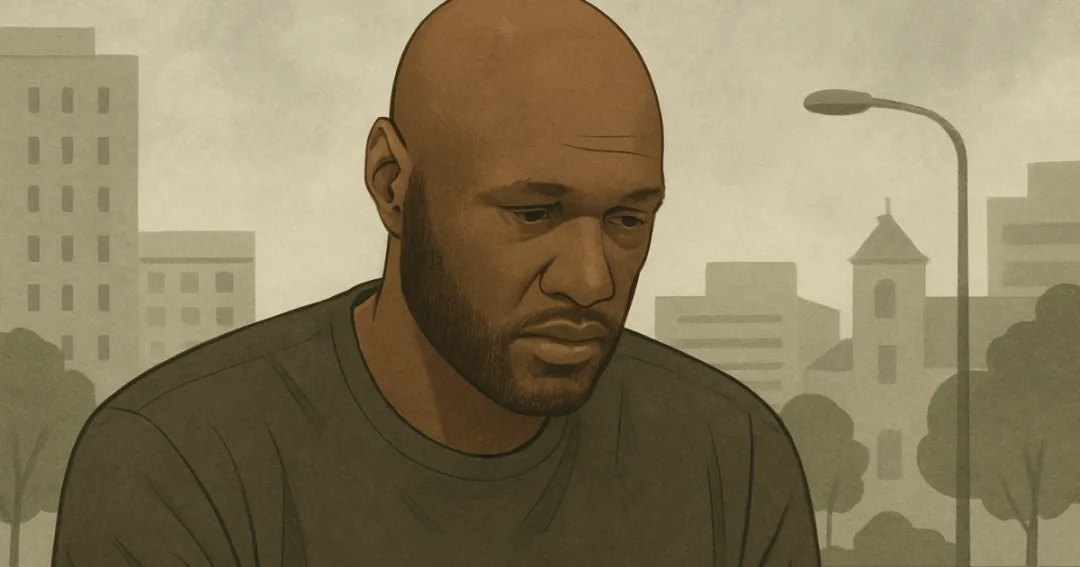
Lamar Odom’s story continues to draw public attention not only because of his basketball achievements, but because it sits at the intersection of sport, celebrity, health, and redemption. For many, he is remembered as a versatile forward who contributed significantly to championship teams and embodied a selfless, team-first style of play. For others, his name evokes headlines about personal crises, substance use, and the pressures of fame. This duality makes him more than a former athlete; he has become a case study in how public figures are consumed, judged, and sometimes reconsidered. Reflecting on his trajectory offers a chance to examine how society responds to vulnerability in people it once treated as invincible.
Within the world of professional sports, Odom’s rise was emblematic of a familiar narrative: a gifted athlete emerging from difficult circumstances to succeed at the highest level. His on-court role often involved doing the less glamorous tasks—rebounding, facilitating, defending—qualities that earned respect from peers and observers who value basketball intelligence over highlight reels. Yet the same system that elevated him also placed him under relentless scrutiny, as performance, contracts, and public image became intertwined. The broader culture around elite sports tends to celebrate resilience while overlooking the emotional and psychological costs of constant pressure. In this sense, Odom’s career is not an anomaly but a visible illustration of a pattern that affects many athletes, even if their struggles remain hidden.
The more painful chapters of his life, widely discussed and dissected in public, highlighted the collision between personal crisis and a media environment hungry for narrative drama. Coverage of his health scares and addiction issues often blurred the line between concern and voyeurism, reflecting a broader tendency to treat real human suffering as entertainment. This raises questions about the responsibilities of media institutions when reporting on vulnerable individuals, especially those with a history of trauma or mental health challenges. It also invites reflection on the role of audiences, whose appetite for intimate details can drive intrusive reporting. Odom’s experience underscores how easily empathy can be overshadowed by curiosity when a well-known figure is in distress.
At the same time, his efforts to rebuild his life have contributed to a more open conversation about recovery and second chances. Public figures who speak candidly about addiction, loss, and rehabilitation can help reduce stigma, even when their journeys are uneven and imperfect. Odom’s visibility has, in some measure, turned his personal struggle into a reference point for discussions about support systems, treatment, and the long-term wellbeing of athletes after their playing careers end. Institutions involved in sports, entertainment, and health are increasingly being urged to consider more holistic approaches to care, rather than focusing solely on performance or profit. The idea that success and suffering can coexist in one person challenges simplistic narratives of heroes and failures.
Ultimately, Lamar Odom’s legacy cannot be neatly summarized by trophies or tabloid headlines. It is a composite of talent, vulnerability, missteps, and resilience, reflecting the complexity that public narratives often try to compress into a single label. For audiences and institutions alike, his story offers an invitation to respond to visible struggle with nuance rather than judgment, and to recognize that recovery is a process rather than a moment. As conversations about mental health and athlete welfare continue to evolve, his life may be remembered less as a spectacle and more as a cautionary and instructive tale. In that more thoughtful reading, Odom’s journey becomes not just a personal saga, but a mirror held