APRIL 1

April 1 is widely recognized in many countries as a date associated with practical jokes, light‑hearted pranks, and playful misinformation. On this day, people often attempt to trick friends, family members, colleagues, or audiences before later revealing the joke. Many media outlets and brands also participate by releasing false announcements that are later clarified as jokes. The custom is commonly called April Fools’ Day in English-speaking contexts, though local names and traditions can differ. According to cultural historians, the exact origins of the practice remain unclear, but references to similar customs date back several centuries.
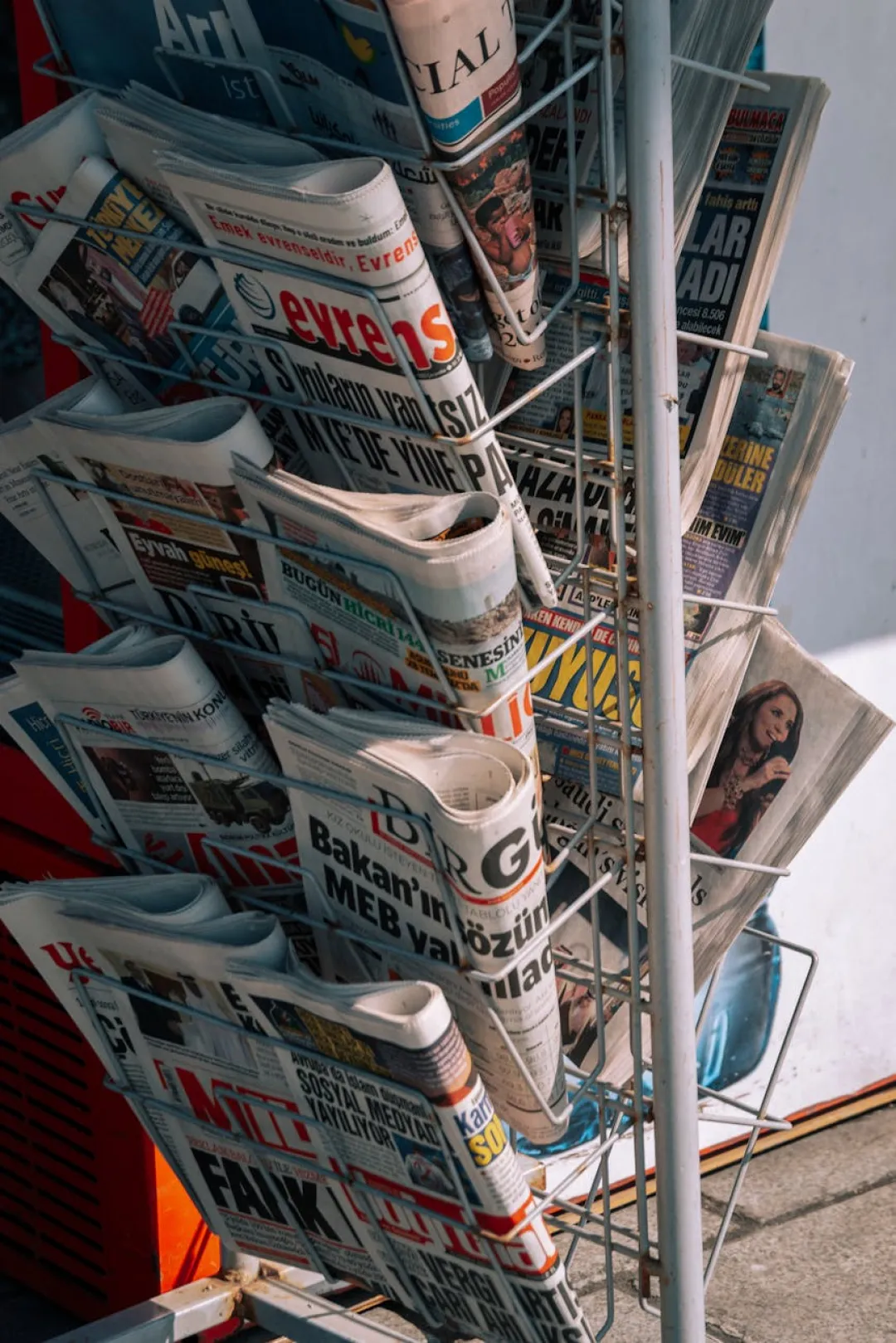
In practical terms, April 1 has become a recurring moment when people are reminded to be cautious about what they read or hear. News organizations in several countries sometimes publish clearly humorous or exaggerated stories on that date, based on editorial traditions that treat the day as an opportunity for satire. Technology companies and other businesses have also released playful product announcements or features on April 1, according to archived corporate communications. As a result, audiences are often more skeptical of surprising claims made on this specific day. The habit of double-checking information on April 1 underscores broader conversations about media literacy.
Despite its playful reputation, April 1 also raises questions about accuracy and responsibility in communication. Public institutions, such as government agencies and emergency services, generally avoid participating in deceptive pranks, based on official guidelines that emphasize public trust. According to communications policies in several jurisdictions, false alerts about safety, health, or security are discouraged at all times, including on April 1. This distinction aims to prevent confusion between entertainment and essential information. It also reflects a view that some areas of public life should remain free from intentional misinformation, even when jokes are socially accepted elsewhere.
Authorities and media organizations regularly remind the public that not all content shared on April 1 is meant as a joke. According to digital safety advisories, misleading posts can spread quickly on social networks, especially when users share them without verification. Some platforms issue general guidance encouraging users to check sources, read beyond headlines, and confirm unusual claims with reliable outlets. Based on preliminary reports from media watchdog groups, annual reminders about fact-checking often coincide with April 1 to reduce misunderstanding. These