LAPTOP
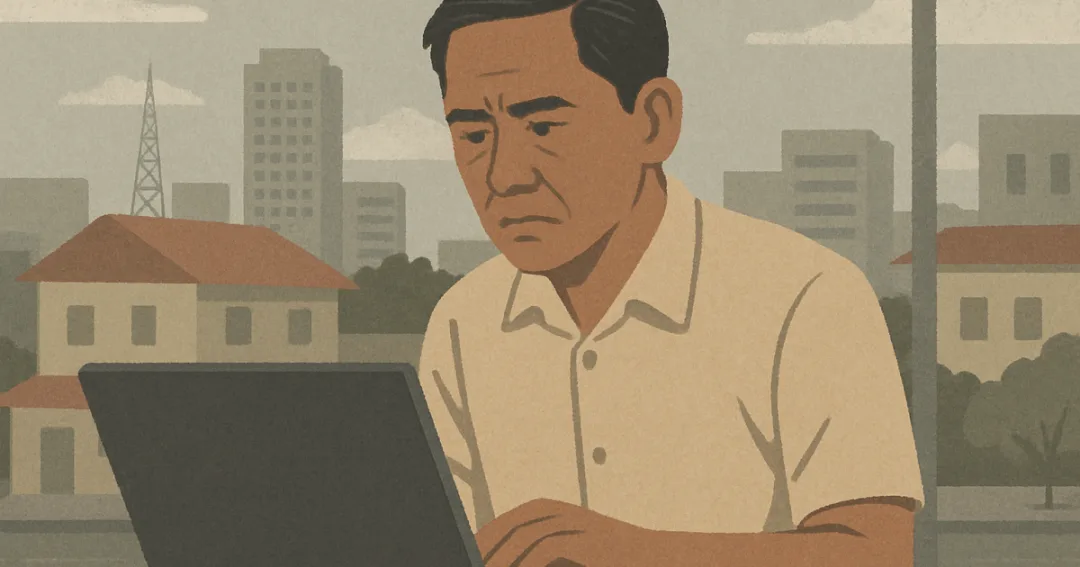
Few objects on a desk reveal more about contemporary life than the laptop. It is both a personal tool and a public symbol, associated with productivity, mobility, and the promise of constant connection. For many, it has become the primary gateway to work, study, entertainment, and social interaction, compressing an entire office, classroom, or studio into a thin, folding shell. This centrality means that the design and use of laptops are no longer narrow concerns of technology enthusiasts; they shape how people learn, collaborate, and earn a living. When a single device holds such influence over daily routines, it deserves a closer look beyond marketing slogans and technical specifications.
The laptop’s rise reflects a longer story about the shrinking of computers and the expansion of digital expectations. What began as room-sized machines serving institutions gradually migrated to desks, then to laps, and now to bags and pockets. Each step toward portability has encouraged new patterns of behavior: answering emails in transit, attending virtual meetings from home, or completing coursework from any quiet corner. The laptop sits at the midpoint between the fixed stability of a desktop and the always-on intimacy of a smartphone, balancing power, screen size, and mobility. In that balance, one can see the broader evolution of how society negotiates the boundary between work and the rest of life.
This convenience carries costs that are not always visible on a glossy screen. The expectation of constant availability, enabled by laptops and wireless networks, can blur working hours and extend stress into evenings and weekends. Ergonomic compromises—hunched shoulders, cramped keyboards, prolonged sitting—quietly accumulate into health concerns that are easy to ignore until they become serious. There is also the environmental dimension: frequent upgrades, short battery lifespans, and complex supply chains contribute to electronic waste and resource extraction. When considering the laptop as a symbol of modern efficiency, it is worth acknowledging the physical and ecological burdens that accompany its sleek design.
At the same time, laptops have played a significant role in widening access to knowledge and opportunity. Students can attend virtual lectures, workers can join distributed teams, and small enterprises can reach customers far beyond their immediate surroundings. In many communities, a shared or affordable laptop can make the difference between isolation and participation in the digital economy. Yet access remains uneven, shaped by income, infrastructure, and digital literacy, reminding us that the benefits of mobility are not automatically inclusive. How societies address these disparities—through education, public access points, or support for affordable devices—will influence who can fully participate in an increasingly digital world.
Looking ahead, the laptop is unlikely to disappear, even as tablets, phones, and emerging devices compete for attention. Instead, it may continue to evolve into a more specialized hub for tasks that demand concentration, larger displays, and precise input. The challenge is not merely to make laptops thinner or faster, but to integrate them into lives and systems in ways that are healthier, more sustainable, and more equitable. Individuals can be more deliberate about when they open the lid, institutions can reconsider expectations of constant connectivity, and designers can prioritize longevity and repairability. In the quiet glow of a laptop screen, one can glimpse both the pressures and possibilities of the digital age; how we choose to use that light will help define the character of work, learning, and connection in the years to come.