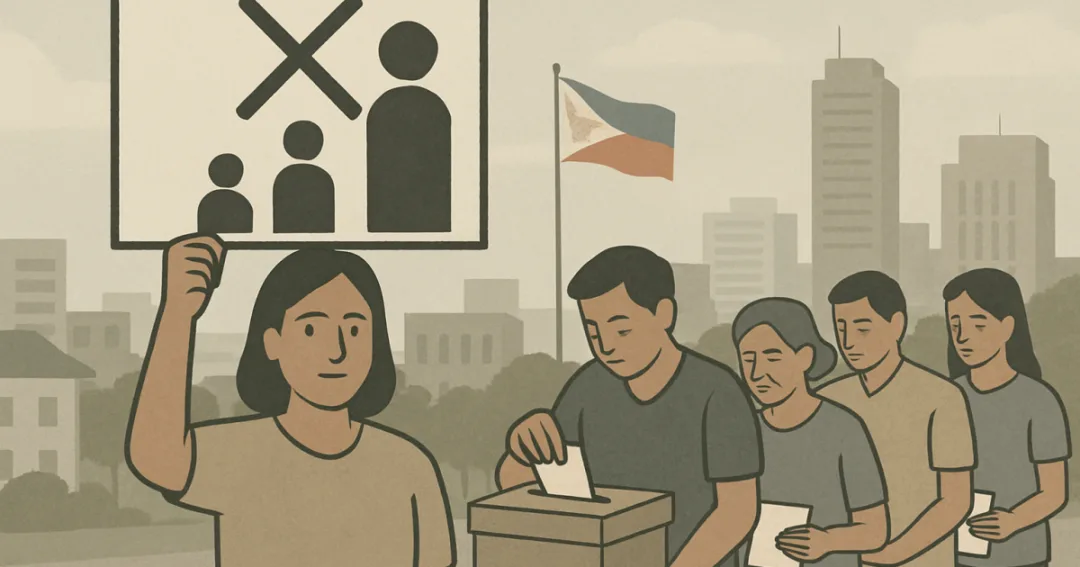
LAWMAKERS AIMING FOR LANDSLIDE VOTE ON SARA DUTERTE IMPEACHMENT
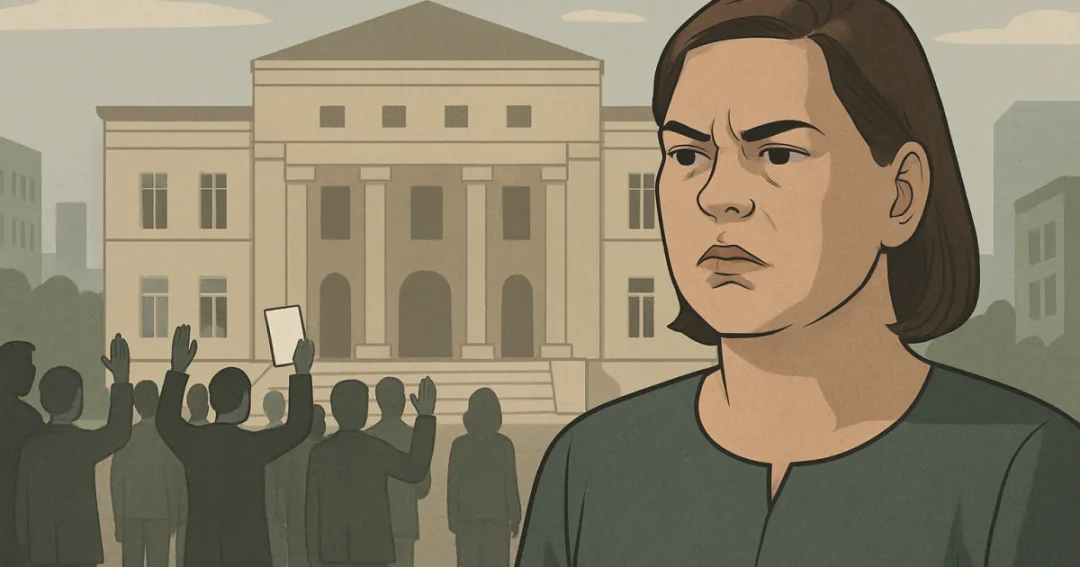
The effort by lawmakers to secure a decisive, possibly overwhelming vote on the impeachment of Vice President Sara Duterte signals a pivotal moment in the country’s political life. Impeachment, by design, is not an ordinary policy disagreement but a grave constitutional mechanism that tests both the resilience of institutions and the maturity of political actors. When legislators speak of aiming for a landslide margin, they are not only counting votes; they are also shaping public perception of legitimacy and consensus. Whether one views the charges as compelling or contested, the framing of the vote as a show of force inevitably raises questions about the balance between legal accountability and political maneuvering.
Understanding the significance of this episode requires situating it within the broader history of impeachment in the Philippines. Past proceedings against high officials have often blended legal arguments with shifting alliances, public protests, and intense media scrutiny. These episodes have left a mixed legacy: they have at times strengthened constitutional checks, but they have also deepened polarization and fostered cynicism about the motives of political elites. The current case will inevitably be interpreted through that lens, with citizens asking whether this is a principled stand on accountability or another chapter in long-running rivalries among powerful factions.
The focus on achieving a landslide vote carries its own risks and implications. On one hand, a broad majority can project an image of institutional unity, suggesting that the evidence and arguments have persuaded a wide spectrum of representatives. On the other hand, the drive for numerical dominance may pressure undecided lawmakers to align with the prevailing tide rather than evaluate the case on its merits. In a context where party loyalties are fluid and coalition politics are common, the appearance of unanimity can sometimes obscure the transactional nature of support. For the public, the crucial question is whether the process appears fair, transparent, and grounded in constitutional standards rather than in political arithmetic alone.
Beyond the immediate personalities involved, the outcome of this impeachment effort will help shape norms around accountability for top officials. A credible process, whatever its final verdict, can reinforce the principle that no officeholder is beyond scrutiny and that constitutional remedies are available and functional. A process perceived as rushed, retaliatory, or predetermined, however, risks eroding trust in the very institutions that are supposed to safeguard democratic order. It may also influence how future leaders calculate their own behavior, either encouraging greater caution and responsiveness to public concerns or, conversely, reinforcing the belief that power struggles will be settled primarily through political brinkmanship.
As the proceedings move forward, the responsibility lies not only with lawmakers but also with citizens, media, and civil society to maintain a focus on procedure, evidence, and constitutional boundaries. Impeachment is a blunt instrument; once wielded, it leaves lasting marks on the political landscape and on public confidence in governance. The aspiration for a landslide vote should not overshadow the imperative for a sober, principled evaluation of the case. In the end, what will matter most is not the margin on the tally board, but whether the process strengthens the culture of accountability and reinforces the idea that institutions, not personalities, are the enduring anchors of democratic life.