LOTTO RESULTS FEB 26 2026
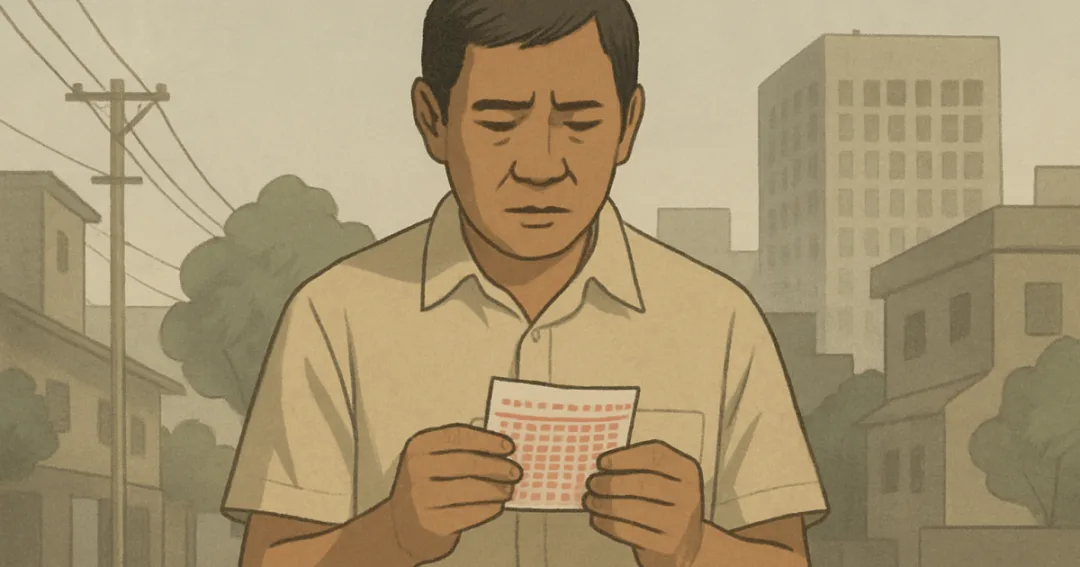
The publication of the lotto results for February 26, 2026 will be, for most people, a brief moment of curiosity: a quick check of numbers, a sigh of resignation, or in rare cases, a life-altering surprise. Yet beyond the winning combinations and prize tiers lies a recurring public ritual that reveals much about how societies manage hope, risk, and public finance. Lotteries occupy a peculiar space in modern life, blending entertainment, revenue generation, and the dream of sudden transformation. When the latest draw is announced, it is not only individual tickets that are being validated, but also the broader social contract that allows such games of chance to operate. It is therefore worth pausing, each time results are released, to consider what is at stake beyond the jackpot.
Lotteries have a long and complex history, often justified as a way to fund public projects without raising conventional taxes. Over time, they have been normalized as a regular feature of economic life, marketed as voluntary participation in a harmless game rather than as a form of regressive revenue collection. The February 26 draw is one more entry in this long continuum, illustrating how deeply embedded lottery culture has become. For many, purchasing a ticket has turned into a routine habit, not unlike buying a weekly treat. This normalization can obscure the fact that, statistically, the odds of winning a major prize remain extremely small, while the aggregate sums spent by the public are substantial.
The significance of any lotto result, including that of February 26, lies less in who wins and more in who routinely plays. Studies in various countries have shown that lottery participation often skews toward lower- and middle-income groups, for whom the promise of a windfall may appear as one of the few imaginable paths to financial security. In this light, each draw raises questions about whether such games subtly exploit economic precarity while presenting themselves as benign entertainment. At the same time, many participants consciously treat the lottery as leisure, fully aware of the odds and willing to pay a modest amount for the excitement of possibility. The tension between these two realities—vulnerability and agency—makes the ethics of state-sanctioned gambling particularly complex.
Public institutions that oversee lotteries typically emphasize transparency, fairness, and the allocation of proceeds to broadly beneficial purposes such as social services, infrastructure, or cultural programs. These assurances are important, especially whenever new results, like those of February 26, are published and public attention briefly sharpens. Clear rules, audited processes, and accessible information help maintain trust that the game is conducted honestly and that revenues are managed responsibly. However, transparency about mechanics does not fully address deeper concerns about dependency on gaming revenues or the social impact on frequent players. Responsible governance in this area requires not only clean procedures but also a candid conversation about long-term societal costs and benefits.
As the latest numbers fade from the headlines, the February 26, 2026 lotto results will join an ever-growing archive of draws that have changed a few lives and left many more unchanged. The enduring question is how societies should balance the allure of chance with the responsibility to protect citizens from harm and to promote more sustainable avenues for economic mobility. Lotteries are unlikely to disappear; they are too entrenched in both culture and public finance. But their persistence makes it all the more important to view each draw not just as a spectacle of luck, but as a recurring opportunity to revisit the values and trade-offs that underpin this institution. In