MARIANA ISLANDS
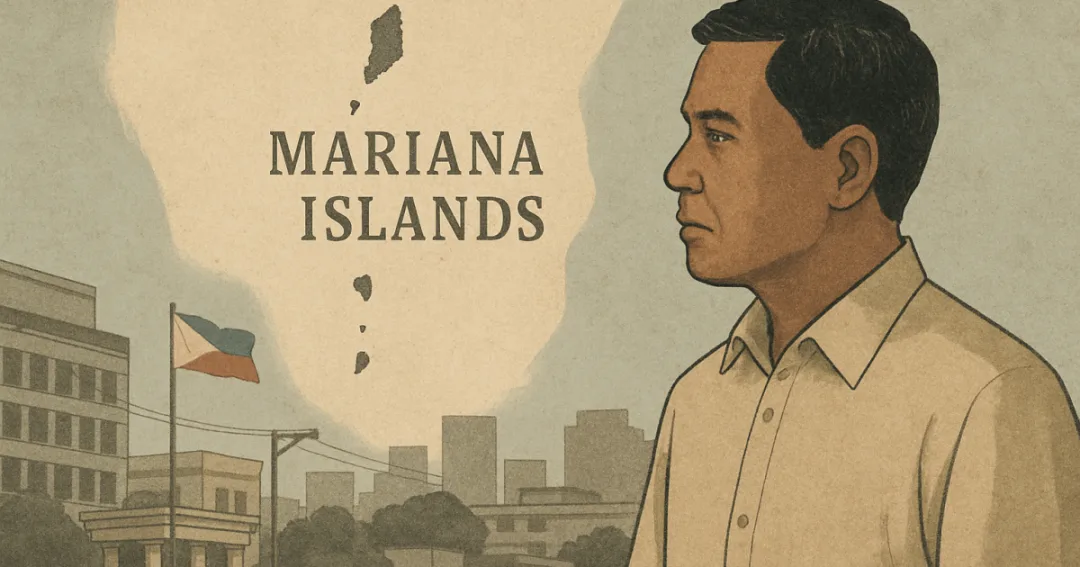
The Mariana Islands rarely dominate international headlines, yet they sit at the intersection of environment, geopolitics, and identity in a way that makes them quietly significant. Stretching across the western Pacific, this archipelago is more than a distant set of tropical islands; it is a place where local communities, strategic interests, and fragile ecosystems converge. For many outside the region, the Marianas remain a geographical footnote, known only in passing from school maps or occasional news about military exercises and typhoons. That limited awareness masks the complex realities of a territory that must constantly reconcile its local needs with broader regional and global agendas. Understanding the Marianas is not only a matter of geography, but also of recognizing how small island communities bear outsized burdens in an uncertain century.
Historically, the Mariana Islands have experienced multiple waves of external control, each leaving its imprint on governance, economy, and culture. This layered past has produced a political landscape that is formally tied to larger powers while retaining a distinct local identity. Such arrangements often place island communities in a delicate position: they rely on external support and legal frameworks, yet seek to preserve autonomy over land, culture, and resources. The legacy of past administrations and conflicts still shapes how residents view questions of development, security, and representation. In this context, debates over land use, heritage, and economic strategy are not abstract; they are rooted in lived experience of being governed from afar while living on the front lines of environmental and geopolitical change.
Environmental vulnerability is perhaps the most urgent dimension of life in the Marianas. As low-lying and coastal areas, the islands face heightened exposure to extreme weather, coastal erosion, and changes in marine ecosystems. These pressures are not unique to the Marianas, but the consequences can be especially acute for communities with limited land area and finite freshwater and agricultural capacity. Conservation efforts, including marine protections and sustainable tourism initiatives, reflect an awareness that the natural environment underpins both cultural traditions and economic prospects. Yet balancing conservation with the need for livelihood, infrastructure, and connectivity remains a constant negotiation, made more complex by external interests and global market forces.
Strategic considerations add another layer of complexity. The Marianas occupy a location that many governments regard as significant for security and regional posture, and this status can bring both opportunities and constraints. On one hand, investment in infrastructure, employment linked to bases or facilities, and integration into broader security frameworks can provide tangible benefits. On the other, local communities must navigate concerns about land allocation, environmental impact, and the social effects of a security-focused presence. These tensions underscore a recurring question: how can small island territories participate in regional security arrangements without being reduced to mere staging grounds for decisions made elsewhere?
Looking ahead, the future of the Mariana Islands will likely be shaped by how effectively they can articulate and defend their own priorities within larger systems. Strengthening local institutions, engaging constructively with external partners, and centering the voices of residents in planning processes will be essential. The Marianas are not simply passive recipients of global trends; they are active sites of adaptation, negotiation, and resilience. For observers beyond the Pacific, paying closer attention to the choices being made in these islands offers a lens into broader global challenges, from climate resilience to the governance of small territories. In that sense, the story of the Mariana Islands is not peripheral at all, but a quietly instructive chapter in the evolving relationship between place, power, and people.

![[Vantage Point] Sec’s Proposed Eir Cut: Consumer Protection Or Credit Contraction?](https://tarana360.com/articles/images/2025-12/vantage-point-sec-s-proposed-eir-cut-consumer-protection-or-credit-contraction-1080.webp)