NAOMI OSAKA
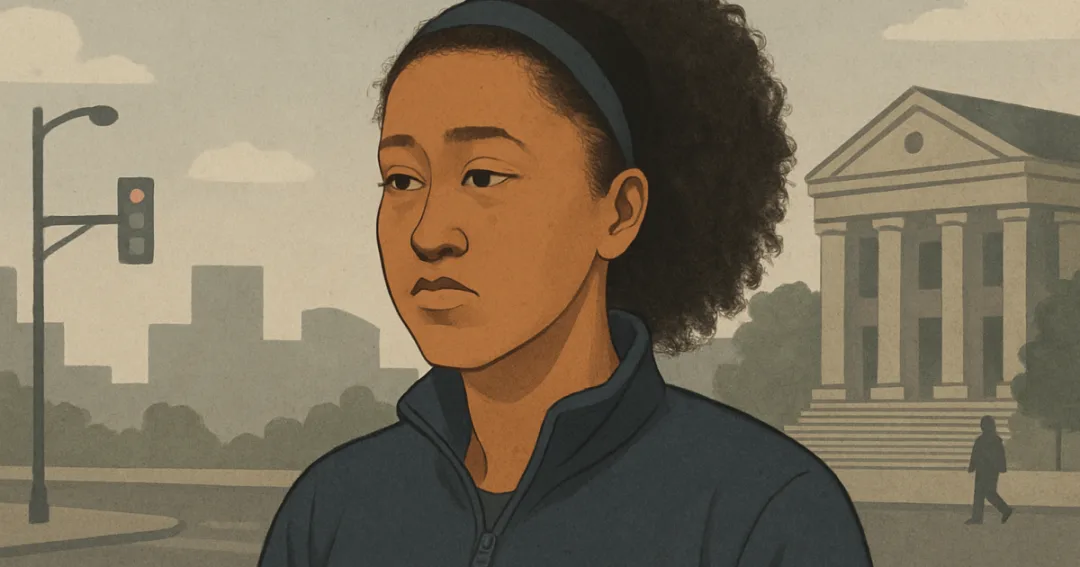
Naomi Osaka’s return to the tennis spotlight is more than a sports story; it is a case study in how modern athletes negotiate excellence, identity, and mental health under relentless public scrutiny. She emerged in global consciousness not only for her powerful game but also for the composure she showed on some of tennis’s biggest stages at a remarkably young age. Over time, her career has become intertwined with conversations about pressure, vulnerability, and the expectations placed on public figures. When Osaka steps away from competition or speaks openly about her struggles, it raises questions that extend beyond rankings and trophies. In this sense, her trajectory matters because it challenges long-standing assumptions about what elite athletes owe to their sport, the media, and the public.
Historically, tennis has produced iconic figures who came to represent more than their forehands and backhands, often serving as symbols of national pride, social change, or generational shifts. Osaka fits into this lineage but in a distinctly contemporary way, shaped by a globalized media environment and digital culture. As a player with multicultural roots and a global following, she embodies a more fluid sense of identity that resonates with younger audiences. Her willingness to frame her career in terms of personal boundaries and mental well-being also diverges from older narratives that glorified stoicism at any cost. This evolution reflects a broader rethinking of what constitutes strength in sports and public life.
Osaka’s stance on mental health, including her decisions to limit media appearances or take breaks from competition, has prompted both support and criticism. Some observers view her actions as a necessary correction to a system that often prioritizes performance over personhood. Others worry that loosening traditional expectations could undermine the shared obligations that hold professional sports together, from press access to fan engagement. These tensions highlight an unresolved debate: how to balance an athlete’s right to manage their mental and emotional resources with the public’s interest in transparency and access. Osaka’s choices do not settle this debate, but they force institutions and audiences to confront it more honestly.
The implications reach beyond tennis. When a high-profile athlete foregrounds mental health, it influences how workplaces, schools, and families talk about stress, burnout, and the limits of endurance. Osaka’s example has been used, fairly or not, as a reference point in discussions about younger generations setting firmer boundaries around work and exposure. At the same time, her commercial success and global visibility illustrate that vulnerability does not necessarily diminish marketability or influence. This combination complicates older assumptions that public figures must present a flawless front to remain relevant or respected. It suggests a more nuanced model in which authenticity, even when uncomfortable, can coexist with ambition and achievement.
Looking ahead, the most significant aspect of Osaka’s story may not be whether she returns to previous heights in rankings or titles, but how she continues to define success on her own terms. If she manages to sustain a career that integrates elite performance, personal well-being, and selective engagement with the public, it could serve as a template for others navigating similar pressures. Institutions in sports and media will likely need to adapt, finding ways to uphold fairness and access while acknowledging human limits more explicitly. For audiences, the challenge is to appreciate the athlete without consuming the person. In that balance, Naomi Osaka’s ongoing journey offers both a mirror of our current moment and a quiet invitation to rethink what we demand from those who live their lives in the spotlight.