NEGROS’ JAVELIN THROWER KEEPS PALARO SUPREMACY FROM ELEMENTARY TO HIGH SCHOOL
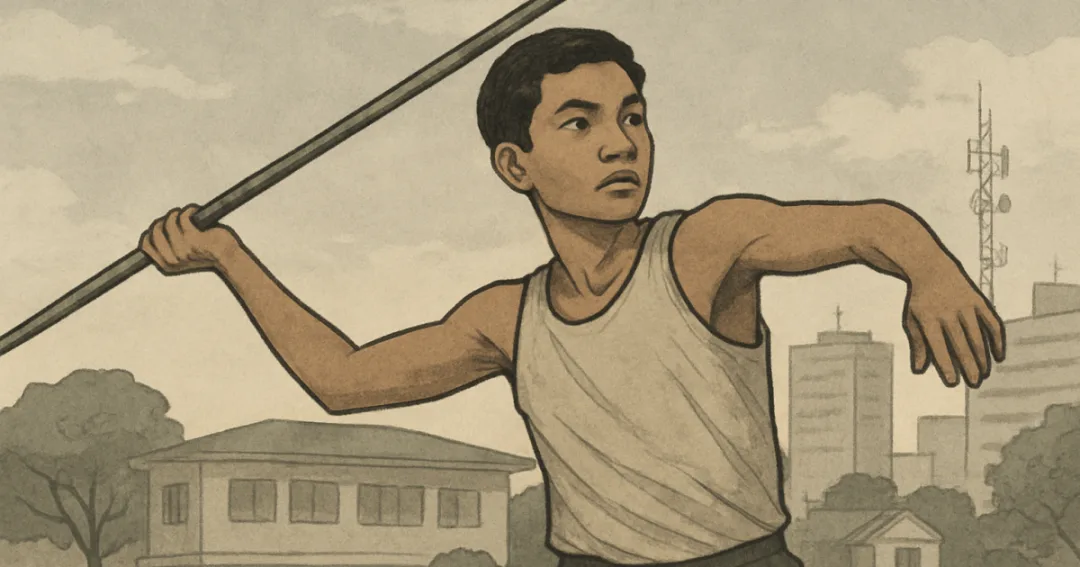
Negros’ javelin thrower who has maintained supremacy in the Palarong Pambansa from elementary to high school represents more than a string of victories; this kind of sustained excellence forces a closer look at how the country discovers and develops young athletes. Dominance across age divisions in a technical event like the javelin suggests not only natural talent but also continuity of training, support, and personal discipline. For a regional delegation such as Negros, having an athlete who consistently delivers at the national level becomes a symbol of local pride and a benchmark for others. At the same time, it raises important questions about whether systems are in place to nurture such promise beyond the school-based competitions that first bring it to public attention.
The Palarong Pambansa has long been a key venue for identifying athletic talent in the Philippines, especially from outside major urban centers. For many young competitors, it is their first experience of a national stage, complete with the pressures and expectations that come with representing a region. Field events like the javelin, which demand a blend of strength, technique, and mental focus, often receive less public attention than high-profile team sports. Yet the emergence of a standout thrower who can dominate for years highlights how these disciplines can quietly become areas of regional strength when there is consistent coaching and community support.
A career that begins in elementary competitions and continues to flourish through high school underscores the importance of long-term athlete development rather than short bursts of success. In many cases, young talents peak early because they lack access to proper facilities, scientific training methods, or guidance on injury prevention and recovery. When an athlete manages to stay at the top for several age brackets, it suggests that some of these pitfalls have been avoided, whether through good coaching, family support, or personal resilience. This continuity should prompt education and sports authorities to examine what conditions allowed such progress and how they might be replicated for others.
The public relevance of such an achievement lies in the broader message it sends about opportunity and equity in sports. A champion from Negros in a specialized event challenges assumptions that high-level training is only possible near major national centers. It also illustrates how school-based competitions, if properly supported, can serve as an effective pipeline for national and even international potential. However, without a structured pathway that bridges the gap between school meets and higher levels of competition, there is a risk that even the most promising careers will stall once the athlete ages out of the Palaro system.
The story of Negros’ javelin standout should therefore be read as both a celebration and a reminder. It celebrates what can be achieved when talent is identified early and given room to grow, even in the face of limited resources. At the same time, it reminds policy-makers, educators, and sports officials that individual brilliance cannot substitute for a coherent development framework that serves many, not just a gifted few. As this athlete nears the end of a dominant run in the school ranks, the real test will be whether the systems around them can offer a clear path forward. If that path is built, their journey from elementary champion to high school mainstay could become a model rather than an exception for Philippine athletics.