NEW PHILIPPINE BUILDING ACT PUSHED IN SENATE
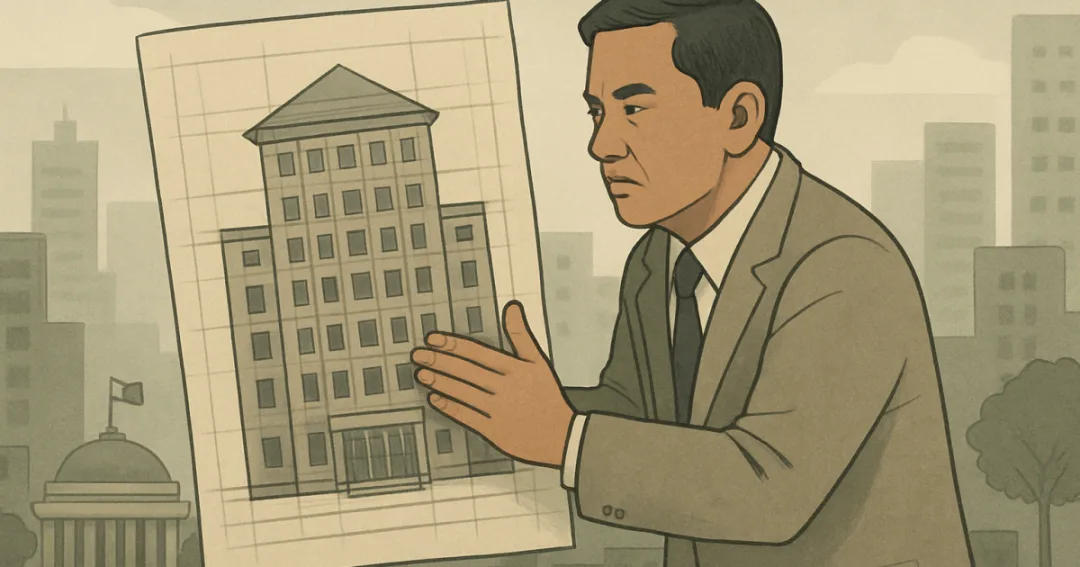
The renewed push in the Senate for a New Philippine Building Act signals an important moment for how the country thinks about safety, urban growth, and resilience. At its core, the initiative is an attempt to overhaul an aging regulatory framework that no longer fully reflects present-day risks or technologies. Buildings are not just private assets; they are workplaces, homes, and public spaces whose failure can cost lives and livelihoods. In a country exposed to earthquakes, typhoons, flooding, and situation hazards, the standards that govern how structures are designed, built, and maintained are a matter of public concern, not just technical detail. The debate over a new act therefore deserves attention beyond the engineering community, because its consequences will be felt in everyday life.
The context for this legislative effort is decades in which urbanization has accelerated faster than regulation could keep pace. Many Philippine cities have seen rapid construction, often in dense areas and sometimes in hazard-prone locations. Existing rules, while not entirely obsolete, were drafted for a very different era in terms of climate risk, population distribution, and construction technology. Global best practices have also evolved, with more emphasis on performance-based design, energy efficiency, accessibility, and disaster risk reduction. A new law offers the opportunity to align local standards with these developments, and to close gaps that have become evident through experience with disasters and near-misses.
However, the promise of updated standards will only be as strong as the institutions and processes that implement them. Clear rules on paper do not automatically translate into safe buildings on the ground. The country has long struggled with uneven enforcement, varying local capacities, and, at times, a culture of cutting corners to save costs or time. Any new act must therefore be realistic about the resources, training, and coordination required among agencies and local governments. Without addressing these practical dimensions, the risk is that the law will be ambitious in language but limited in impact, especially for smaller municipalities and informal settlements.
The implications of a New Philippine Building Act extend beyond safety into economic and social policy. Stricter standards may initially raise construction costs, which can worry developers and small property owners, but they can also reduce long-term losses from disasters and improve overall quality of life. Clear, predictable rules can give investors more confidence, particularly in infrastructure and real estate projects with long payback periods. At the same time, there is a need to ensure that compliance does not become prohibitively expensive for ordinary households, or so complex that it encourages informal construction outside the regulatory system. Balancing rigor with practicality will be crucial if the law is to be both protective and inclusive.
As the Senate deliberates, the most constructive path lies in treating the New Philippine Building Act not as a mere technical update but as part of a broader national conversation on resilience and equitable development. Public consultations, transparency in the drafting process, and engagement with professionals, communities, and local governments can help surface real-world concerns before they become entrenched problems. The measure will not, by itself, eliminate risk or guarantee flawless enforcement, but it can set a higher baseline for what is acceptable in the built environment. If crafted and implemented thoughtfully, the law could become a quiet but powerful instrument for safeguarding lives and shaping more sustainable cities. The opportunity now is to ensure that this legislative moment is not wasted on cosmetic reform, but leveraged to build a safer future, one structure at a time.