PESO HITS RECORD LOW 61.56 PER DOLLAR
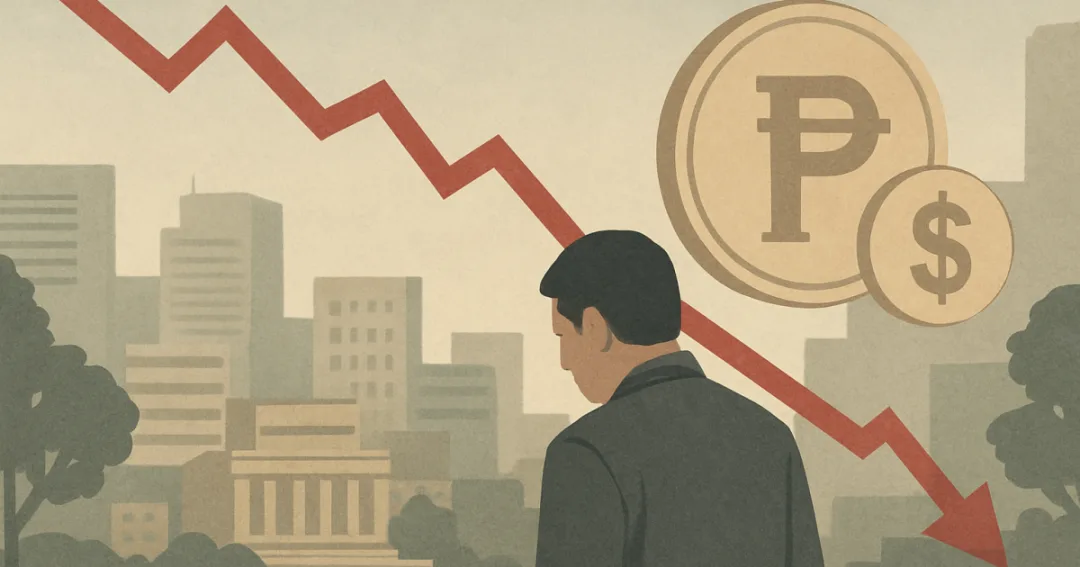
The peso’s slide to a record low of 61.56 per dollar is more than a passing headline; it is a signal about how markets view the country’s economic prospects and its external position. Exchange rates move every day, but a new record weak level concentrates public attention because it touches both national pride and household budgets. For an import-dependent economy, a weaker currency tends to raise the local cost of fuel, food, and manufactured goods, feeding into broader price pressures. At the same time, it reshapes the incentives facing exporters, investors, and overseas workers, redistributing gains and losses across society. Understanding this moment requires looking beyond the number itself to the forces that push it there and the choices available in response.
Historically, the peso has weakened during periods of global financial stress, tight monetary policy in advanced economies, or domestic uncertainty. When major central banks keep interest rates high, capital often flows toward those currencies perceived as safer or more rewarding, putting pressure on emerging-market units. Episodes of global risk aversion, whether triggered by geopolitical tensions or concerns about growth, can amplify this movement. Domestically, any doubts about inflation control, fiscal sustainability, or policy continuity tend to be reflected in the exchange rate, which acts as a real-time barometer of confidence. The current record low is thus part of a longer pattern in which external shocks and internal vulnerabilities interact.
The immediate implications of a weaker peso are unevenly distributed. Households that rely on imported goods, particularly fuel and staple food items, face higher prices that can erode purchasing power, especially for lower-income families. Businesses dependent on imported raw materials and equipment confront rising costs that may be passed on to consumers or absorbed through thinner margins. Conversely, exporters and sectors that earn dollars may find their products more competitive abroad and their local-currency revenues boosted. Remittance-receiving families can see higher peso values for the same dollar amounts, offering some cushion against inflation. The net effect on welfare and growth depends on how these opposing forces balance out and how long the depreciation persists.
Institutions responsible for monetary, fiscal, and economic policy are not powerless observers of these movements, but their tools come with trade-offs. Monetary authorities can raise interest rates, adjust liquidity, or use foreign exchange reserves to smooth volatility, but each option has costs for growth, borrowing, or reserve adequacy. Fiscal and economic managers can work to narrow external imbalances, encourage investment, and support productive sectors that can earn foreign exchange, yet such structural adjustments take time. Communication also matters: clear, measured explanations of policy intentions can help anchor expectations and reduce speculative behavior. In the absence of credible frameworks and consistent signals, markets may punish uncertainty more than any single economic indicator.
The peso’s record low should not be read as an irreversible verdict, but as a reminder of the economy’s exposure to global currents and domestic decisions. Exchange rates will continue to move, sometimes sharply, as conditions change; what matters is whether the country can build resilience through sound macroeconomic management, diversified growth, and stronger institutions. For households and firms, prudence in borrowing, saving, and investing becomes more important in a world of volatile currencies. For policymakers, the challenge is to protect the most vulnerable from price shocks while preserving stability and long-term competitiveness. The level of 61.56 per dollar may fade from memory, but the lessons it offers about vulnerability, discipline, and preparation should not.