PHILIPPINES OPENS IRAN ENERGY TALKS, BUT HORMUZ PASSAGE REMAINS UNCLEAR
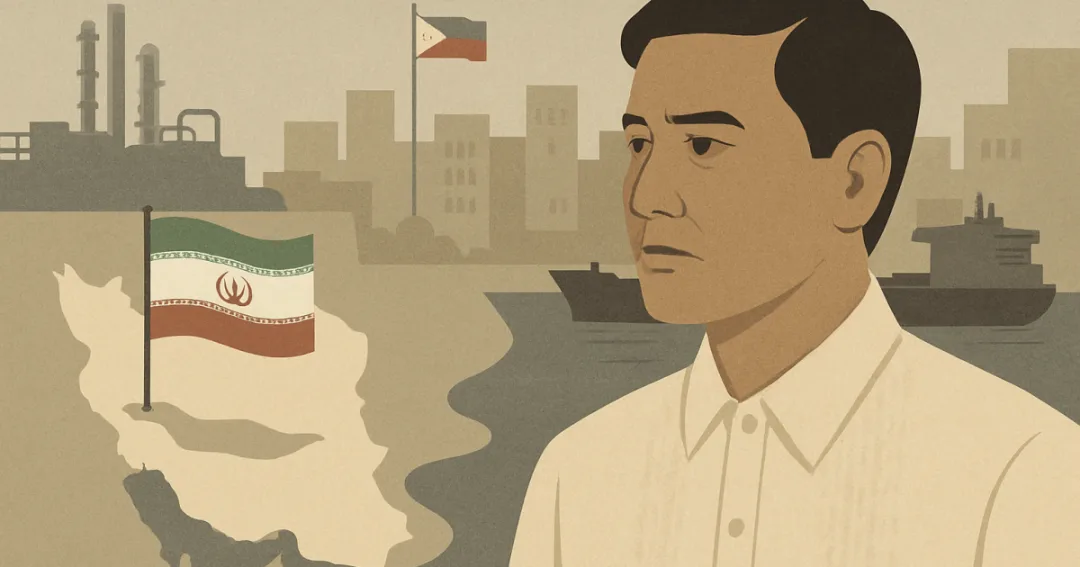
The decision by the Philippines to open energy talks with Iran, while questions persist over safe passage through the Strait of Hormuz, highlights both opportunity and uncertainty for a country heavily dependent on imported fuel. At face value, exploring Iranian crude or gas supplies could diversify Manila’s energy sources and potentially improve its bargaining position with existing suppliers. Yet any prospective deal is inseparable from the geography and politics of the Gulf, where the Strait of Hormuz remains a strategic chokepoint and a recurring flashpoint. When a country like the Philippines contemplates deeper engagement with Iran’s energy sector, it must weigh commercial benefits against maritime security risks and wider diplomatic considerations.
Iran has long been a significant player in global oil and gas markets, even as it has faced varying degrees of sanctions and political isolation. For energy-importing states, the country represents both a potential source of supply and a nexus of geopolitical complexity. The Strait of Hormuz, through which a large share of seaborne oil passes, has repeatedly been at the center of regional tensions, naval incidents, and concerns about freedom of navigation. For any new energy arrangement that relies on shipments through this corridor, the question is not only whether the contracts can be signed, but whether the sea lanes can be reasonably secured over time. This is especially salient for mid-sized economies that lack extensive naval reach and must rely on international norms and partnerships.
For the Philippines, whose energy security has traditionally depended on a limited set of suppliers and routes, diversification carries clear strategic logic. A broader mix of partners could help cushion the country against price shocks, supply disruptions, or political disputes affecting any single source. At the same time, diversification into a region marked by overlapping rivalries and sanctions regimes is not a straightforward hedge; it can introduce new vulnerabilities alongside new options. Policymakers must consider how any Iranian supply line would interact with existing security ties, legal obligations, and the expectations of allies and regional partners. The calculus is not merely technical or commercial, but deeply embedded in foreign policy and defense posture.
The public relevance of this issue extends beyond specialist debates about tankers and transit routes. Energy policy shapes the cost of electricity, transport, and basic goods, and thus affects households and businesses across the Philippines. If new supply options help stabilize prices or reduce exposure to market volatility, they can support economic planning and social welfare. Conversely, if geopolitical frictions in the Gulf translate into shipping disruptions or insurance premiums, these costs may ultimately filter down to consumers. Citizens therefore have a stake in how their government balances the appeal of new energy partners with the prudence required in navigating contested waters.
Looking ahead, the test for Manila will be whether it can pursue diversified energy ties while maintaining a consistent, principled stance on maritime security and international law. That likely means engaging not only with potential suppliers like Iran, but also with regional and global forums that shape norms around freedom of navigation and conflict prevention. It may also require contingency planning for alternative routes or backup supply arrangements should tensions in the Strait of Hormuz intensify. As the Philippines explores new energy avenues, the measure of success will not be the signing of agreements alone, but the resilience and credibility of its broader strategy. In a volatile region and an uncertain energy landscape, careful, transparent policymaking will matter as much as any individual deal.