SAM VERZOSA
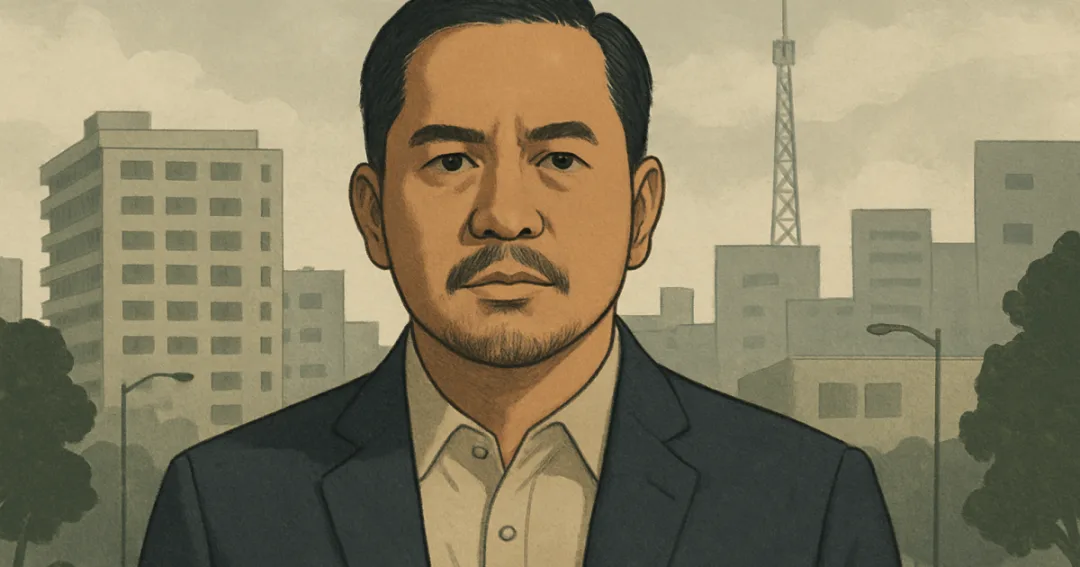
Sam Verzosa has emerged as one of the more closely watched figures in the intersection of business, entertainment, and public service in the Philippines. His trajectory—from entrepreneurial ventures and media exposure to a role in governance—reflects a familiar contemporary pattern: the rise of personalities whose public profile is built outside traditional political or civic institutions, but who later step into them. This blending of celebrity, commerce, and public duty raises important questions about how leadership is perceived and evaluated. It matters not only for those who support or criticize him personally, but for what it says about the evolving standards by which Filipinos judge credibility, competence, and accountability.
In a media environment saturated with personalities, figures like Verzosa benefit from visibility that often precedes any formal mandate to serve. Public recognition can accelerate entry into public life, but it can also blur the line between personal branding and public responsibility. Voters may find themselves responding more to familiarity and narrative than to track records or policy positions. This is not a uniquely Philippine phenomenon; it reflects a global trend where the tools of marketing and social media are increasingly intertwined with leadership pathways. The challenge is to distinguish between surface-level popularity and the deeper qualities needed for effective governance.
At the same time, Verzosa’s background in business and entertainment points to an ongoing shift in how citizens imagine pathways to influence and change. For many younger Filipinos, success in entrepreneurship or the creative industries appears more attainable than climbing the ladder of traditional bureaucracy. When individuals from these spheres enter public roles, they bring with them a language of innovation, hustle, and disruption that can sound refreshing in a system often seen as slow and rigid. Yet these same qualities must be tempered by an understanding of process, institutional checks, and the long-term nature of public commitments. The metrics of success in business or media—growth, reach, engagement—do not automatically translate into sound public outcomes.
The public relevance of Verzosa’s rise lies less in his persona and more in what it reveals about civic expectations. When citizens celebrate stories of personal ascent, there is a risk that structural issues—inequality, service delivery, institutional reform—are overshadowed by individual narratives of perseverance and success. Conversely, the visibility of such figures can also inspire interest in public affairs among audiences who might otherwise feel alienated from politics. The responsibility then falls on institutions, media, and civil society to frame the conversation beyond personalities, asking hard questions about performance, transparency, and the use of influence. This is where editorial scrutiny and public dialogue play a crucial role.
Ultimately, Sam Verzosa’s story is a lens through which to examine how the Philippines negotiates the space between aspiration and accountability. It is neither fair to romanticize nor to dismiss him solely on the basis of his origins in business and entertainment. What matters is whether the system can channel the energies of high-profile entrants toward durable, institutional gains rather than short-lived spectacle. As more public figures follow similar paths, citizens will need to sharpen their criteria for trust: looking past the spotlight to the substance, and past the storyline to the structures that truly shape collective life. In that ongoing negotiation, personalities will come and go, but the deeper test is whether their presence strengthens or weakens the culture of public responsibility.