SEARCH DATA SHOWS HOW FILIPINOS MARK CHINESE NEW YEAR
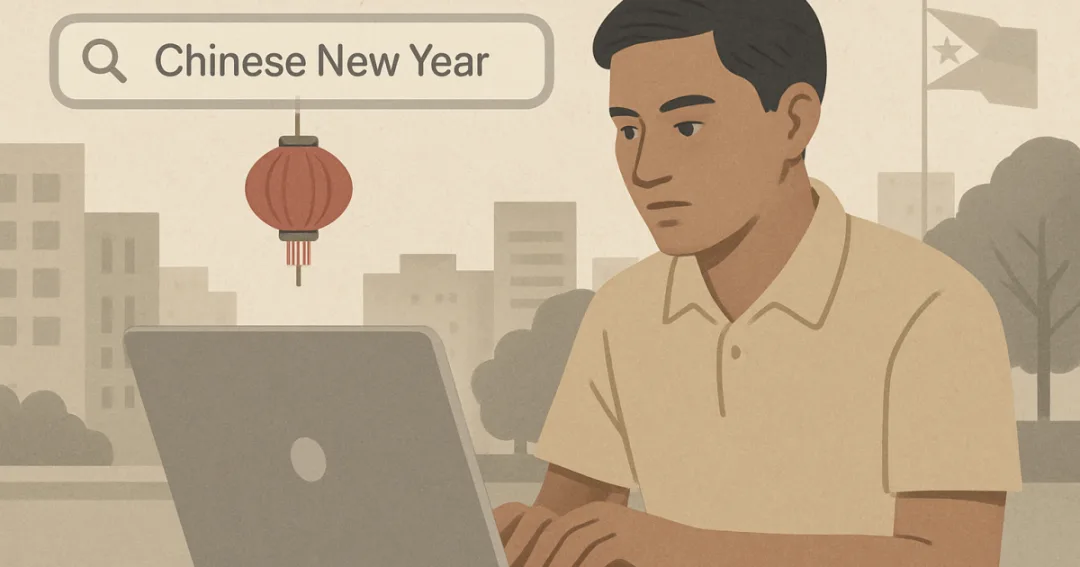
Search data around Chinese New Year offers a rare, almost unfiltered look at how Filipinos blend tradition, curiosity, and modern consumption. Unlike surveys, which rely on what people say they value, online queries reflect what they actually seek out when a cultural moment arrives. In the days leading up to the Lunar New Year, spikes in searches for horoscopes, lucky colors, and auspicious foods suggest that many Filipinos treat the occasion as both a festive event and a personal guidepost. At the same time, interest in travel, shopping deals, and mall events tied to the holiday hints at a highly commercial dimension. The pattern matters because it shows how a celebration rooted in Chinese communities has become part of a wider, digitally mediated Filipino calendar.
This is not entirely surprising given the long presence of ethnic Chinese communities in the Philippines and the gradual mainstreaming of their customs. For decades, lion dances, red lanterns, and tikoy exchanges were associated primarily with Chinatown districts and business circles. Over time, however, these practices have moved into schools, offices, and shopping centers, where they are repackaged as inclusive cultural experiences. Online search trends mirror this shift: queries are no longer confined to traditional rituals but extend to classroom activities, corporate events, and home décor. Chinese New Year, once a niche observance, now appears in search data as a shared cultural reference point, even for those with no Chinese heritage.
The digital footprint of the holiday also highlights the tension between meaning and marketing. Rising searches for “meaning of Chinese New Year symbols” or “how to celebrate” indicate a desire to understand the roots of the festivities, not just copy aesthetic elements. Yet the parallel growth of interest in sales, restaurant promos, and themed entertainment shows how quickly cultural markers become commercial hooks. This dual movement is not unique to the Philippines, but it raises familiar questions: when does celebration become mere consumption, and who benefits from that shift? Search behavior does not answer these questions, but it reveals where public attention is being steered.
Beyond culture and commerce, the patterns have broader social implications. Heightened online interest in Chinese New Year can be read as a quiet affirmation of multicultural coexistence in daily life, even when official discourse is more cautious or contentious. Families who look up recipes, school projects, or simple greetings are engaging in small acts of recognition that sit below the level of politics. At the same time, the dependence on search platforms concentrates enormous influence in a few digital intermediaries that shape what people see first, and therefore what they are likely to emulate. The way the holiday appears online—through curated results, promoted content, and algorithmic suggestions—subtly frames how it is understood.
As search data continues to map how Filipinos mark Chinese New Year, it invites a more deliberate conversation about what kind of cultural integration the country wants to foster. Institutions in education, media, and business can either reinforce shallow, purely transactional engagement or encourage deeper appreciation of the histories behind the festivities. Individuals, for their part, can treat search engines not as final arbiters of tradition but as starting points for learning from people and communities who live these customs. The evolving digital portrait of Chinese New Year in the Philippines suggests an appetite for connection that goes beyond spectacle. Whether that appetite matures into a more reflective multicultural practice will depend on how thoughtfully Filipinos choose to navigate the space between the search bar and real life.