STATEMENT | STATE REPRESSION STILL BIGGEST THREAT TO PHILIPPINE MEDIA FREEDOM
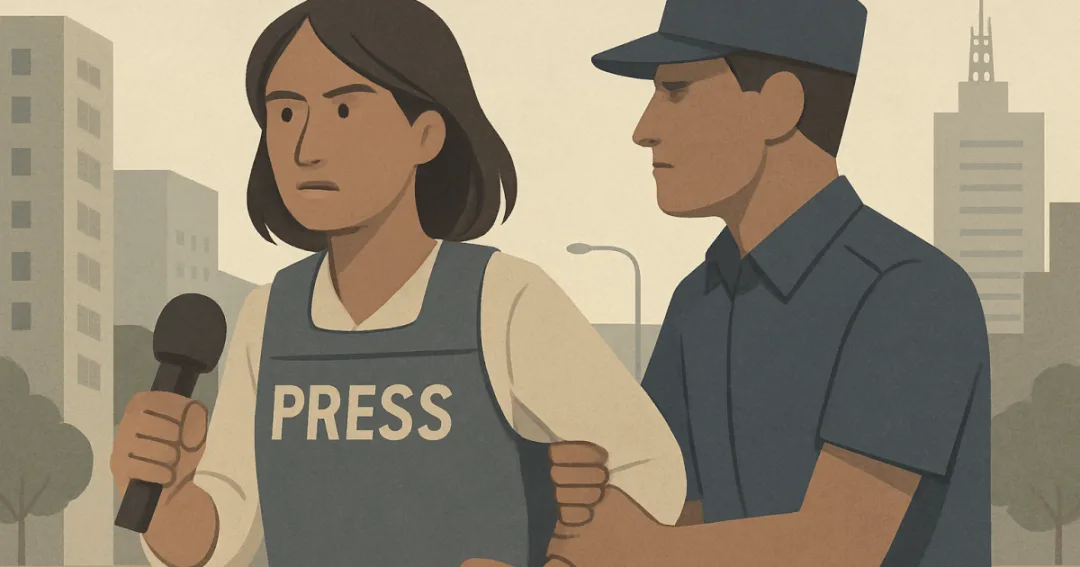
State repression remains the most persistent and consequential threat to media freedom in the Philippines, even as digital disruption, economic pressures, and online harassment command growing attention. The power of the state, when used to intimidate or silence journalists, carries a weight that no private actor can fully match. Laws, regulations, and law-enforcement mechanisms can be deployed in ways that chill critical reporting and narrow the space for public debate. When journalists face the risk of legal harassment, surveillance, or physical harm linked to official actions or negligence, the public’s right to know is directly undermined. This is not only a concern for media workers; it affects every citizen who relies on independent information to make informed decisions.
The Philippine experience has long illustrated how formal and informal instruments of power can shape the media environment. From periods of overt censorship to more subtle forms of pressure, authorities have repeatedly tested the limits of what the press can publish. Legal tools such as defamation laws, national security provisions, and regulatory procedures can be applied in ways that discourage investigative reporting. Even when these measures are framed as neutral or necessary, their selective or heavy-handed use against critical outlets can send a clear message of deterrence. Over time, this dynamic encourages self-censorship, as newsrooms weigh the public interest against the potential cost of confrontation with the state.
Contemporary challenges have added new layers to this longstanding pattern. The growth of online platforms has made journalists more visible and more vulnerable, exposing them to coordinated harassment that can be tacitly encouraged or inadequately addressed by authorities. Regulatory bodies and law-enforcement agencies, if not firmly committed to protecting press freedom, can become instruments for targeting specific voices under the guise of legality or order. At the same time, economic dependence on government advertising or regulatory approvals can subtly influence editorial choices. These overlapping pressures create an environment where formal rights may exist on paper, but their exercise is constrained in practice.
The implications for the public are profound. When media organizations feel compelled to avoid sensitive topics or powerful figures, citizens receive a filtered version of reality. Corruption, abuse of power, and policy failures can remain under-examined, weakening democratic accountability. In such a climate, misinformation and partisan narratives can more easily fill the gaps left by a cautious or intimidated press. The erosion of trust in traditional media, often amplified by political rhetoric and online campaigns, further complicates efforts to defend journalistic independence, as attacks on the press can be framed as popular sentiment rather than as part of a broader pattern of repression.
Defending media freedom in the Philippines therefore requires more than condemning the most visible abuses; it demands sustained attention to how state power is structured, checked, and used. Legal frameworks should be reviewed to ensure they cannot be easily weaponized against journalists, and institutions tasked with regulation or law enforcement must be insulated from political interference. Civil society, professional associations, and the broader public have a role in insisting that criticism of government is not treated as an act of disloyalty but as a normal feature of democratic life. Ultimately, the measure of a government’s confidence in its own legitimacy is how it treats those who question it. A state that chooses to protect rather than repress independent media strengthens not only journalists, but the democratic fabric on which its own authority rests.