STRAIT OF HORMUZ
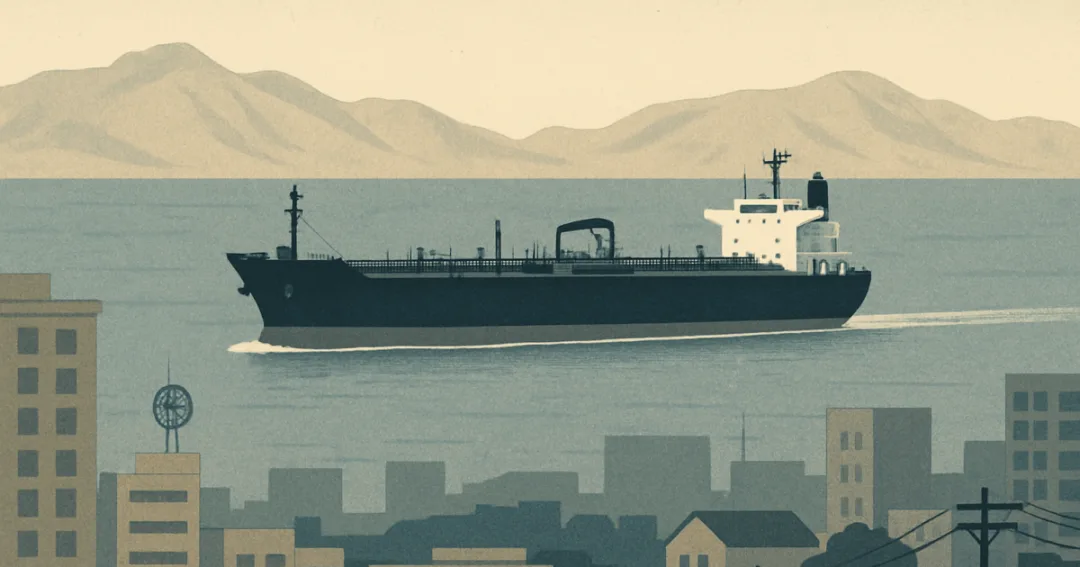
The Strait of Hormuz is a narrow stretch of water, but its significance is far wider than its geography suggests. Linking the Persian Gulf to the Gulf of Oman and the Arabian Sea, it functions as a critical artery for global energy flows and maritime trade. Any disruption there, even temporary, tends to reverberate through shipping routes, insurance markets, and energy prices. For many countries that depend heavily on imported fuel, the strait is not an abstract location on a map but a potential pressure point in their economic stability and strategic planning.
Historically, the strait has sat at the crossroads of regional rivalries and global interests. Over decades, tensions among coastal states, as well as between regional and external powers, have periodically raised the specter of blockades, harassment of vessels, or other forms of disruption. These episodes highlight how quickly local incidents can take on international dimensions when they occur in such a concentrated and vital maritime corridor. Even when they do not escalate, they serve as reminders that the security of this passage remains contingent on fragile understandings and shifting power balances.
The legal and diplomatic frameworks that apply to the Strait of Hormuz are often tested by these dynamics. Principles of freedom of navigation, coastal state jurisdiction, and international maritime norms intersect in complex ways in such chokepoints. Naval deployments, patrols, and escort missions by various states underscore both the desire to uphold open sea lanes and the risk of miscalculation when multiple armed forces operate in close proximity. In this environment, communication channels, confidence-building measures, and de-escalation mechanisms are not abstract ideals but practical necessities.
For the broader public, the relevance of the Strait of Hormuz is often felt indirectly through energy prices, inflationary pressures, and uncertainty in financial markets. Businesses that depend on predictable shipping schedules, from manufacturers to food importers, can be affected by higher freight and insurance costs whenever tensions rise. Policymakers, in turn, must weigh the benefits of diversification—through alternative routes, energy sources, or strategic reserves—against the realities of geography and existing infrastructure. The strait thus becomes a focal point in debates about energy security, supply chain resilience, and the vulnerabilities of a tightly interconnected global economy.
Looking ahead, the stability of the Strait of Hormuz will likely remain a barometer of broader regional relations and global risk appetite. Efforts to reduce dependence on any single chokepoint, whether through technological change, new infrastructure, or diplomatic engagement, will take time and face their own constraints. In the meantime, the world’s exposure to this narrow passage argues for steady, patient diplomacy and a shared interest in keeping vital sea lanes open. The strait may be defined by its narrowness, but the choices made around it will continue to carry wide implications for international security and economic wellbeing.