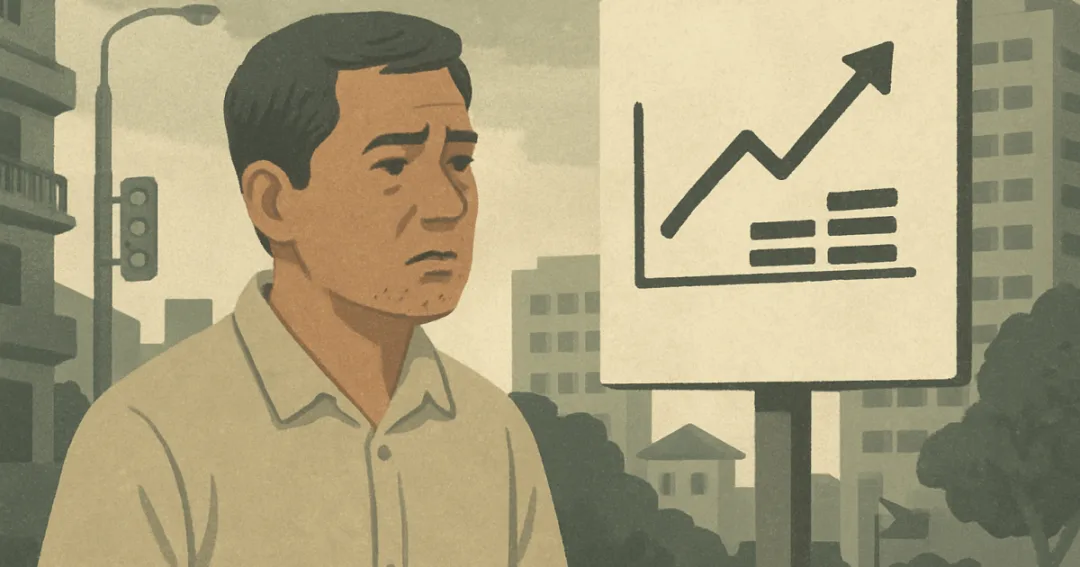
STUCK IN THE MUD

Residents in several low-lying communities reported being literally and figuratively “stuck in the mud” this week as sudden downpours turned unpaved roads and vacant lots into thick, impassable sludge. According to initial information from local disaster offices, brief but intense rains saturated already soft ground, trapping vehicles and slowing foot traffic in affected barangays. Tricycles, delivery vans, and even small trucks were seen struggling to move, with some drivers opting to park and wait for conditions to improve. As of now, there are no confirmed details on the total number of households directly affected, but barangay officials say they are monitoring the situation. The phrase “stuck in the mud” has quickly become a shorthand among residents for the recurring disruption to daily routines whenever sudden rains hit.
Based on preliminary reports, the problem is most visible in areas where road concreting projects remain incomplete or drainage systems are still under construction. Unfinished roadside excavations reportedly collect water during storms, turning dirt and loose gravel into deep, sticky mud. In some sitios, pedestrians have resorted to walking on improvised wooden planks or edging along narrow concrete curbs to avoid losing their footwear. Local transport groups say that short neighborhood routes become riskier, as wheels spin in place and engines strain to get out of ruts. For many commuters, what would normally be a ten-minute ride can stretch into nearly an hour when vehicles get bogged down.
Community leaders note that being “stuck in the mud” is not just a minor inconvenience but a recurring barrier to work, school, and basic errands. Parents have reported children arriving late to classes after navigating muddy paths, while small business owners say deliveries are occasionally delayed or cancelled altogether. Health workers assigned to home visits also face challenges reaching patients when streets become too slippery or soft for motorcycles. According to initial information from barangay health centers, some scheduled check-ups have been postponed on days with heavy rain. Residents say these accumulated delays reinforce a sense of being left behind by faster-developing neighborhoods with better roads.
Local governments, for their part, have acknowledged the problem and pointed to ongoing infrastructure projects as a long-term solution. Based on preliminary reports from engineering