UPCOMING TECNO POVA CURVE 2 TO HAVE 8000MAH BATTERY
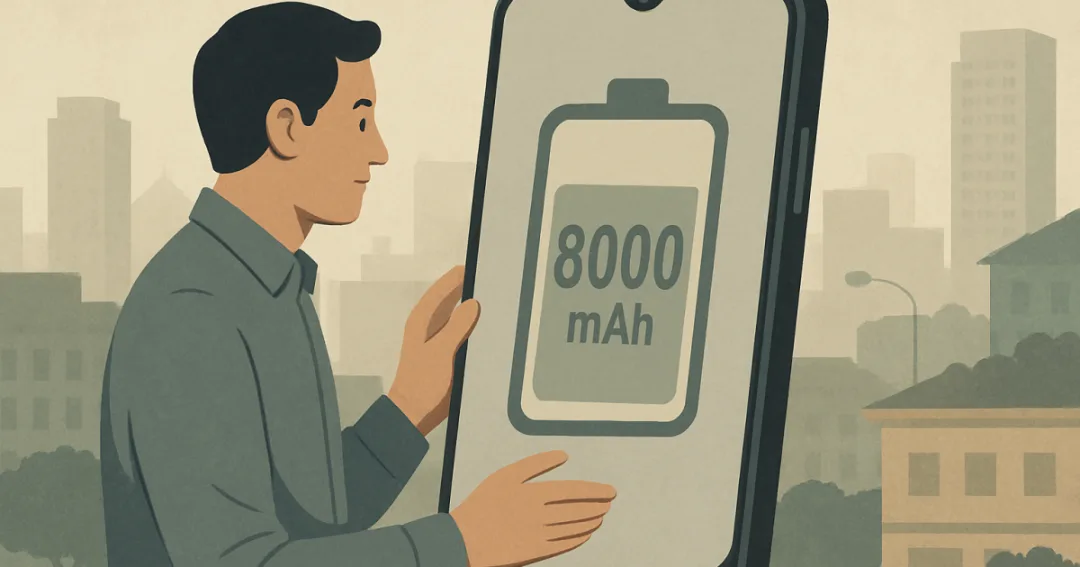
Tecno’s reported plan to equip the upcoming Pova Curve 2 with an 8,000mAh battery highlights how far the smartphone battery race has come—and how much farther it may still go. For years, consumers have complained that even powerful devices struggle to last a full day of heavy use. A battery of this size, at least on paper, directly addresses that pain point and signals a deliberate pivot toward endurance as a core selling proposition. While ultra-large batteries are not entirely new, their appearance in more mainstream mid-range devices suggests that long battery life is no longer a niche feature but an expectation. The Pova Curve 2, if it delivers on this capacity, would therefore sit at the intersection of evolving user habits and shifting industry priorities.
Historically, smartphone progress has focused on displays, cameras, and processing power, often at the expense of endurance. Over the last decade, battery capacities have increased gradually, but not always in proportion to rising screen sizes, higher refresh rates, and more demanding apps. The result has been a familiar cycle: consumers celebrate each new generation’s performance gains, then quietly accept the trade-off of frequent charging. Devices promising multi-day use have typically been bulky, positioned as specialist tools rather than mainstream options. By pushing an 8,000mAh battery into a more broadly targeted model, Tecno is participating in a broader industry recalibration that treats battery life as a central pillar rather than an afterthought.
However, a larger battery is not an unqualified victory. It raises questions about overall device weight, ergonomics, and thermal management—areas where trade-offs can quickly erode user satisfaction. A phone that lasts three days but feels unwieldy or runs hot under load may not be as compelling as spec sheets imply. Fast charging, software optimization, and power-efficient chipsets must work in concert with battery capacity to create a genuinely improved experience. The Pova Curve 2 will therefore be judged not only on its headline number, but on how well that capacity is integrated into a balanced, comfortable device.
The broader implications for consumers and the market are worth considering. As more manufacturers experiment with very large batteries, expectations around what constitutes “acceptable” battery life may shift upward. This could benefit users in regions where access to reliable electricity is inconsistent, or where mobile devices serve as primary computing tools. At the same time, the push for bigger batteries underscores a lingering limitation: lithium-based technologies have not yet delivered the kind of breakthrough that would allow ultra-thin phones to last several days without compromise. Until that changes, companies will continue to navigate a delicate balance between size, endurance, and cost.
Looking ahead, the significance of a phone like the Pova Curve 2 lies less in one model’s specifications and more in the direction it represents. If consumers respond positively to extreme endurance, other brands may accelerate their own efforts to prioritize battery life, perhaps spurring more investment in battery research and smarter power management. Regulators and industry groups may also take a growing interest in standards around battery safety, recycling, and sustainability as capacities increase. For now, the upcoming device stands as another indicator that the era of “good enough” battery life is drawing to a close. The real test will be whether manufacturers can translate capacity into meaningful, long-term reliability without sacrificing the qualities that make smartphones desirable in the first place.