VIDEOS
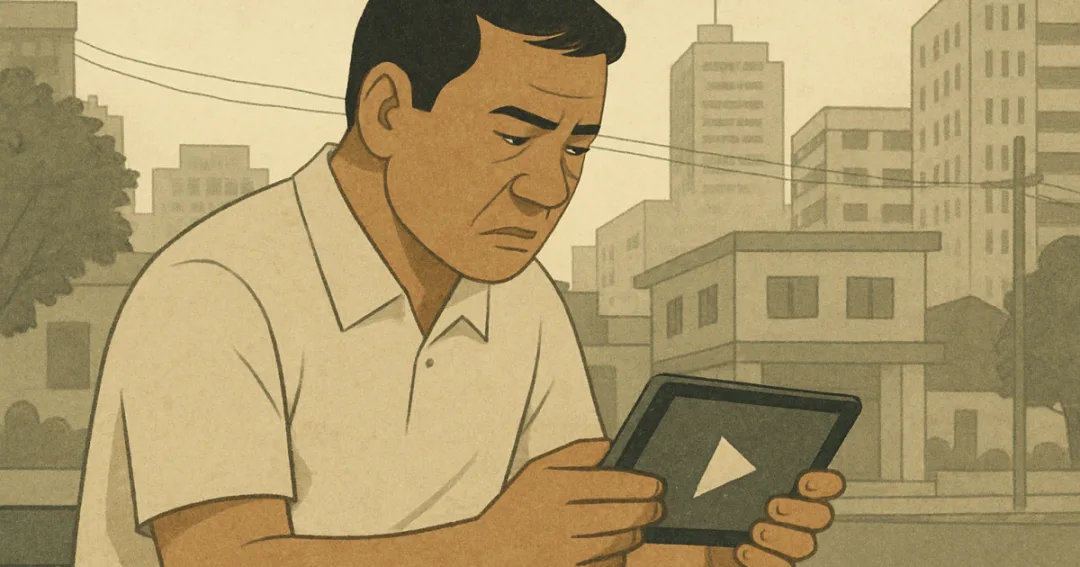
Video has become the dominant language of the digital age. From brief clips on social platforms to long-form documentaries and live streams, moving images now shape how people learn, communicate, and form opinions. This shift matters because it changes not only what we see, but how we think and how quickly we react. Where text once encouraged slower reading and reflection, video often invites immediate emotional response. The question is no longer whether video is powerful, but whether societies and individuals are prepared to handle that power responsibly.
The rise of video did not happen overnight. It traces a path from early cinema and broadcast television to cable networks, then to online platforms that made recording and sharing effortless. What once required expensive equipment and institutional backing can now be done on a phone in seconds. This technological democratization has clear benefits: more voices, more perspectives, and more chances to document events as they unfold. Yet history suggests that each communications revolution brings both expansion of access and new forms of influence, and video is no exception.
One of the most striking features of video is its persuasive force. Moving images, combined with sound and editing, can compress complex narratives into highly charged moments. A single clip can bring attention to injustice, mobilize support for a cause, or expose wrongdoing that might otherwise remain hidden. At the same time, the very elements that make video compelling also make it vulnerable to manipulation, selective framing, and decontextualization. When attention is a scarce resource, the most dramatic images often rise fastest, regardless of how representative or nuanced they are.
Institutions across society are still adapting to this reality. Schools, newsrooms, cultural organizations, and regulators all face similar questions: how to verify what is seen, how to present context, and how to encourage critical viewing habits. The challenge is not only technical, such as detecting edited or fabricated footage, but also educational. Viewers need tools to interpret what they watch, to ask who produced it, for what purpose, and with which omissions. Building this kind of media literacy requires sustained effort rather than quick fixes or purely punitive approaches.
Looking ahead, video will only become more immersive, more personalized, and more intertwined with daily life. That trajectory is neither inherently good nor bad; its impact depends on the norms, expectations, and safeguards that societies choose to build around it. Treating video as a serious medium—worthy of scrutiny, reflection, and ethical standards—may be the most realistic way to balance its risks and benefits. If people can learn not just to consume videos but to question and contextualize them, the medium may yet deepen public understanding rather than merely accelerate reaction. The future of video is being recorded in real time; how it is interpreted remains a collective responsibility.