[WALANG PASOK] CLASS SUSPENSIONS, THURSDAY, FEBRUARY 5, 2026
![[Walang Pasok] Class Suspensions, Thursday, February 5, 2026](https://tarana360.com/articles/images/2026-02/walang-pasok-class-suspensions-thursday-february-5-2026-1080.webp)
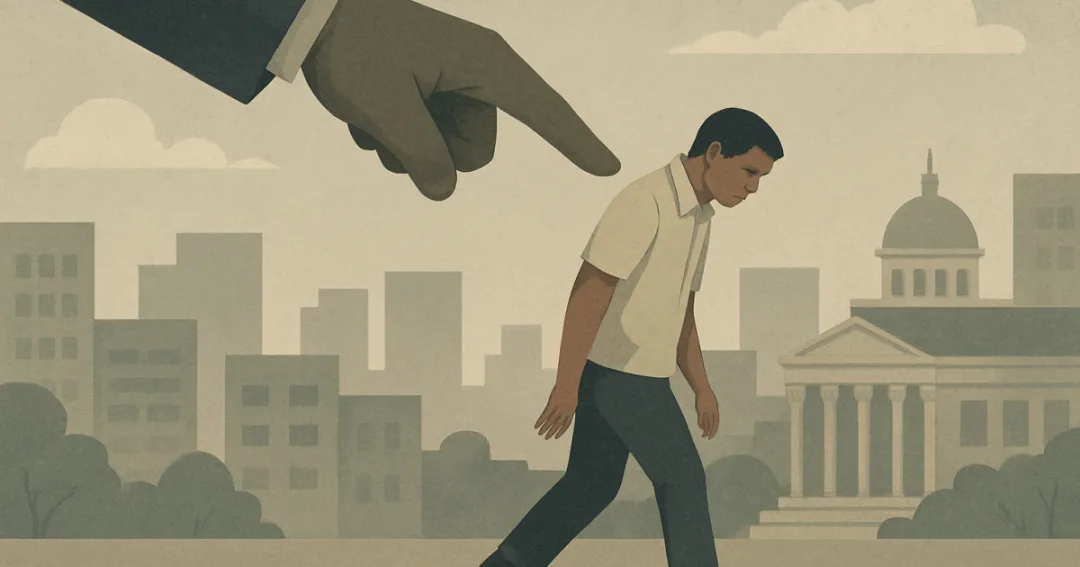
Class suspensions this Thursday, February 5, 2026, once again highlight how central the school calendar has become to public life in the Philippines. Whenever local governments and education authorities announce “walang pasok,” the impact extends far beyond classrooms and lecture halls. Parents must quickly reorganize childcare, workers adjust schedules, and businesses feel the ripple effects of changed routines. These decisions are usually made in response to weather disturbances, transport disruptions, health concerns, or public safety issues, and they often come with little lead time. While the immediate goal is to protect students and staff, each suspension also raises recurring questions about preparedness, communication, and the long-term costs of interrupted learning.
The Philippines has a long history of class suspensions triggered by typhoons, floods, and other natural hazards, reflecting its vulnerability as a disaster-prone country. Over the years, authorities have refined guidelines on when to call off classes, particularly in relation to storm signals and flood alerts. More recently, health emergencies and air quality concerns have added new layers of complexity to these decisions. The experience of extended school closures in past crises has already shown how prolonged disruptions can deepen learning gaps and strain mental health. Against this backdrop, each new wave of localized or nationwide suspensions is not an isolated event but part of an evolving pattern of how society manages risk while trying to preserve educational continuity.
The public, however, often experiences these decisions as abrupt and opaque. Announcements late at night or early in the morning can leave families scrambling, especially those without flexible work arrangements or access to remote learning tools. Educators must repeatedly adjust lesson plans, assessments, and academic calendars, sometimes with little institutional support. For students, frequent suspensions can blur the rhythm of schooling, making it harder to sustain focus and motivation. This lived reality underlines the importance of clear criteria, timely advisories, and consistent messaging so that “walang pasok” does not translate into confusion or unnecessary anxiety.
At the same time, it would be simplistic to frame every suspension as a setback. In many cases, calling off classes is a prudent and responsible decision that prevents accidents on flooded roads, reduces exposure to unsafe conditions, and eases pressure on emergency services. The challenge lies in balancing safety with continuity: investing in infrastructure that can withstand hazards, improving drainage and transport systems, and strengthening schools’ capacity for alternative delivery modes. When institutions treat each suspension as an opportunity to review what worked and what did not—logistics, communication, learning recovery—they can gradually build a more resilient education system. Public understanding and trust grow when authorities are transparent about these trade-offs and show that lessons are being learned over time.
Looking beyond this Thursday’s suspensions, the country faces a broader question: how to design an education system that can adapt to recurring disruptions without normalizing lost learning as an unavoidable cost. This calls for long-term thinking about disaster risk reduction in schools, flexible academic planning, and support for families who shoulder the hidden burdens of every “walang pasok” announcement. It also invites a deeper public conversation about what educational resilience should look like in a changing climate and an increasingly unpredictable world. If approached thoughtfully, each decision to suspend classes can be more than a reactive measure; it can be part of a deliberate effort to align safety, equity, and learning. The task now is to move from improvisation to intentionality, so that future suspensions, while perhaps inevitable, become less disruptive