ZEYNEP SöNMEZ
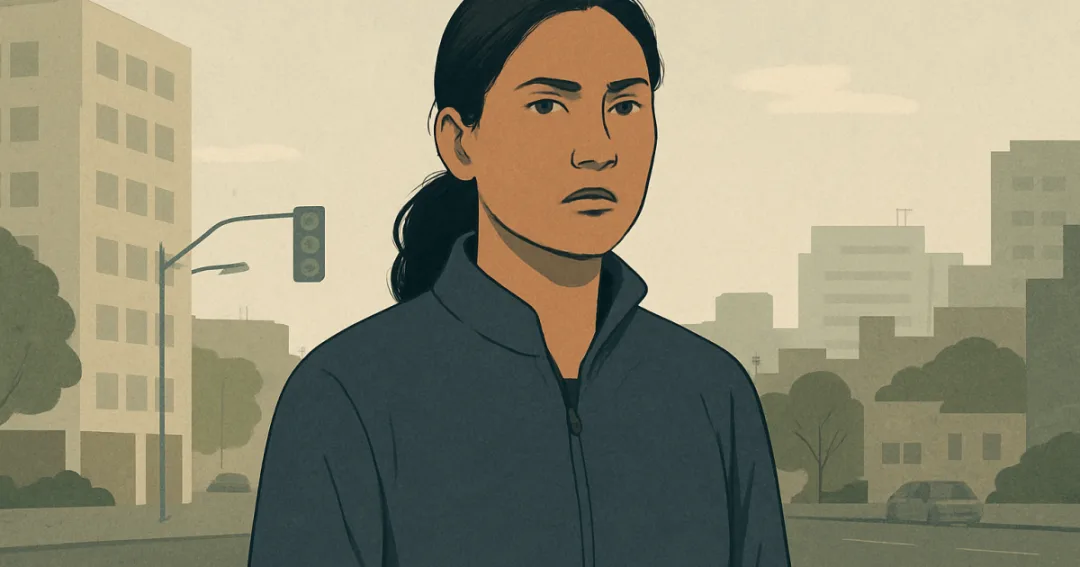
In recent seasons, the name Zeynep Sönmez has begun to surface more frequently in tennis conversations, a reminder of how quickly the sport can elevate a relatively unknown player into wider view. Her emergence matters not only because of individual talent, but because it illustrates how the global tennis landscape is diversifying beyond its traditional power bases. Players from countries with less entrenched tennis cultures often carry an added weight of expectation, serving as both athletes and informal ambassadors. As Sönmez navigates this transition from promising prospect to more visible competitor, observers are invited to reconsider what it takes to break through in a sport that remains highly stratified by access, geography, and resources. Her trajectory is less a story of instant stardom and more an example of incremental progress within a demanding system.
Historically, tennis has been dominated by players from a small group of nations with deep institutional support, extensive junior circuits, and established coaching networks. When a player like Sönmez begins to appear regularly in draws, it signals that these patterns, while persistent, are not fixed. The presence of new names from emerging tennis regions reflects years of gradual investment in training, facilities, and international competition opportunities. It also underlines the importance of pathways that allow juniors to transition into the professional ranks without being overwhelmed by financial and logistical barriers. In this sense, Sönmez represents not just an individual story, but the visible outcome of broader, often unseen, developmental efforts.
The public relevance of such a career lies partly in the way it reshapes perceptions of what is possible for athletes outside traditional hubs. Young players observing Sönmez may see a more attainable model: not a meteoric rise, but a steady climb that acknowledges setbacks, qualifying rounds, and lower-tier events as part of a legitimate journey. This more realistic narrative can have a stabilising effect on expectations, encouraging persistence rather than impatience. At the same time, the attention that follows her results can nudge local institutions to take tennis more seriously, whether through modest infrastructure improvements or greater support for youth programs. In this way, individual progress and collective aspiration become intertwined.
There are also implications for how global tennis structures respond to emerging talent. Tours and governing bodies frequently state an ambition to broaden participation, but that goal only becomes credible when players from a wider range of backgrounds can sustain careers, not merely appear briefly. The experiences of athletes like Sönmez test whether ranking systems, scheduling, and prize money distribution genuinely allow gradual advancement. Consistent access to competition at the right level can determine whether promise is converted into stability or fades under the pressure of limited opportunities. Her presence on the circuit, therefore, doubles as a quiet measure of how inclusive or exclusive the sport remains in practice.
Looking ahead, it would be premature to assign grand narratives to a career still in its formative stages, yet it is reasonable to see Sönmez as part of a broader, cautiously hopeful trend. The next phase for her, as for many peers, will likely involve balancing ambition with resilience, managing expectations at home and abroad, and adapting to the tactical and mental demands of higher-level play. For observers, the more interesting question is less whether she becomes a headline star and more whether the structures around her evolve enough to support sustained growth. If they do, her journey could help normalise the presence of more diverse contenders in the sport’s mainstream. That, in the long run, would be a meaningful legacy, regardless