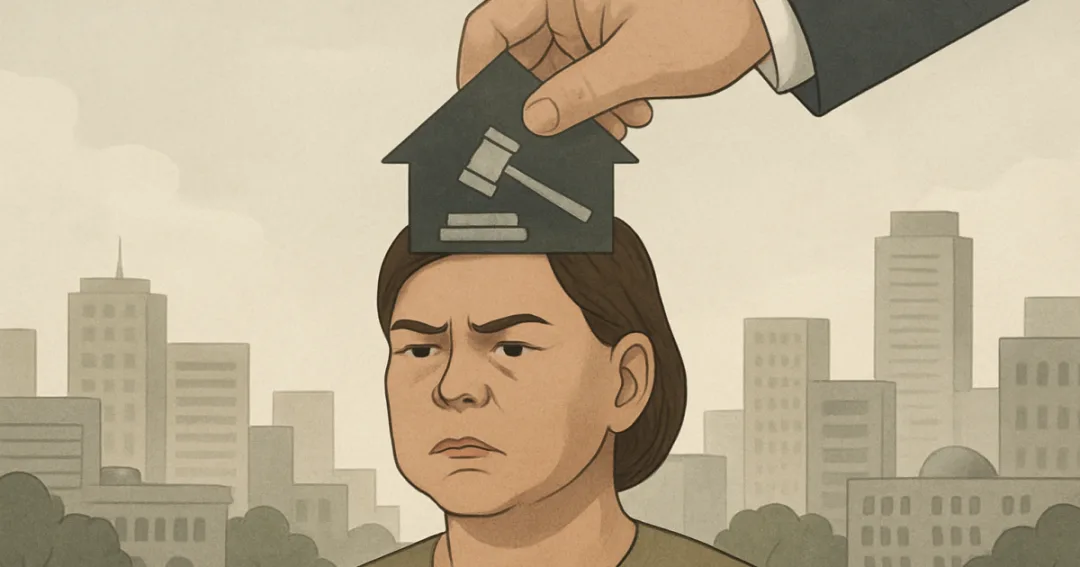
MOST MINDANAO SOLONS VOTED FOR SARA’S IMPEACHMENT, INCLUDING DAVAO
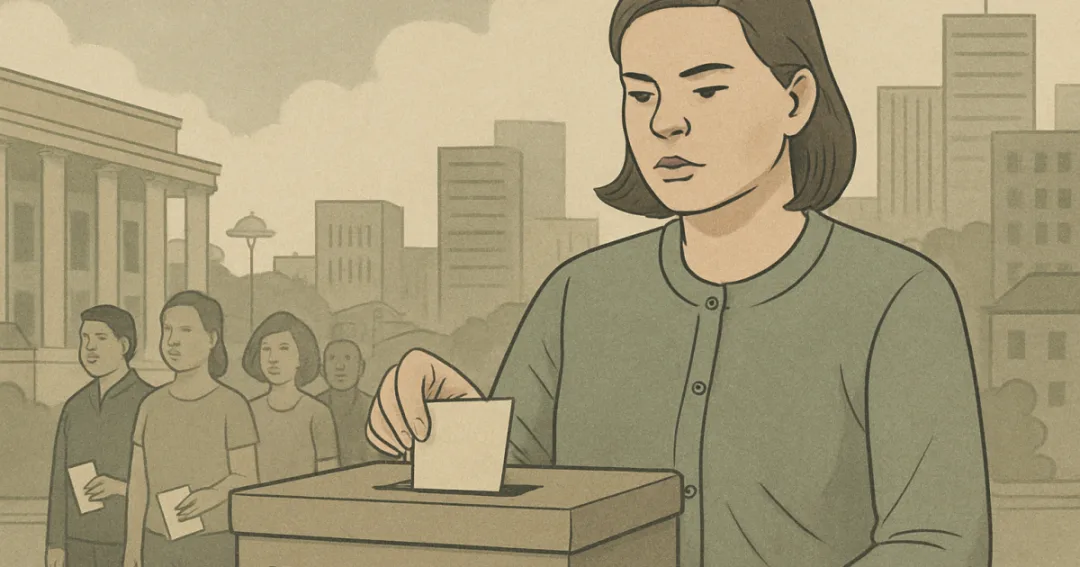
The reported decision of a majority of Mindanao legislators, including those from Davao, to support the impeachment of Vice President Sara Duterte marks a striking political moment. For years, Davao has been closely associated with the Duterte brand, and Mindanao more broadly has often been portrayed as its political stronghold. When representatives from these constituencies break ranks on an issue involving a prominent figure linked to that legacy, it signals more than a routine partisan disagreement. It suggests that regional loyalties, while still influential, may no longer be as monolithic or predictable as they once appeared. This development matters because it tests assumptions about how regional identity, political allegiance, and institutional accountability intersect in the national arena.
Mindanao’s political narrative has long been shaped by a sense of marginalization from “Imperial Manila,” and this sentiment has often translated into support for leaders who promise stronger regional representation. The rise of Davao on the national stage was partly rooted in this dynamic, with voters rallying behind a sense of Mindanaoan pride and visibility. That many Mindanao solons now appear willing to back an impeachment move against a figure closely tied to that narrative suggests that other considerations—such as coalition politics, institutional pressures, or evolving local priorities—are at play. It underlines how regional blocs are not static entities but are constantly recalibrating their positions in response to shifting national currents. In this light, the vote can be read as part of a broader process of political normalization, where Mindanao’s leaders operate less as a unified regional front and more as actors embedded in complex national alignments.
The impeachment process itself, whatever its eventual outcome, is fundamentally a test of institutional maturity. Legislators are expected to weigh evidence, constitutional standards, and public interest, even when the respondent is a high-profile political figure with strong regional roots. When representatives from the official’s own perceived bailiwick support such a process, it can be interpreted as a willingness to subject even powerful personalities to formal scrutiny. At the same time, observers will inevitably question whether motivations are driven by principle, political calculation, or a mix of both. The credibility of the process will depend on how transparently institutions conduct their work, and whether the public perceives the proceedings as grounded in law rather than factional rivalry.
For citizens in Mindanao and across the country, the broader implications go beyond the fate of a single official. The episode highlights the fluidity of political alliances and the limits of personality-based politics, especially when confronted with institutional mechanisms like impeachment. It may encourage voters to re-examine the assumption that regional identity must automatically translate into unwavering support for any particular leader or family. Conversely, it may also deepen cynicism if people conclude that shifting votes merely reflect changing power centers rather than a genuine commitment to accountability. In either case, the public is reminded that representation is not only about shared geography, but also about how elected officials interpret their mandate in moments of institutional stress.
Looking ahead, this moment could become a reference point in the evolving political identity of Mindanao. If the region’s lawmakers are seen as engaging more independently with national issues, it may gradually reshape how Mindanao is perceived in the country’s political imagination—from a stronghold of a single brand to a more pluralistic and contested space. That evolution carries both risks and opportunities: risks of deeper polarization, but also opportunities for more substantive debates about development, governance, and regional equity. Ultimately, the test for Mind