ALFREDO BENGZON, MAGSAYSAY AWARDEE, EX-DOH CHIEF, 90
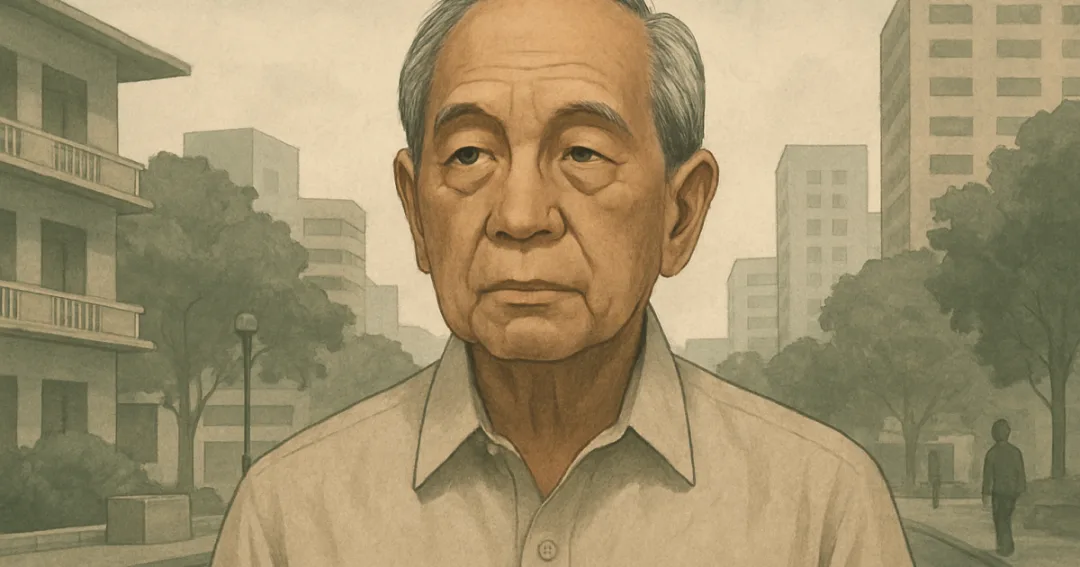
Alfredo Bengzon’s passing at 90 closes a chapter in Philippine public life that bridged medicine, governance, and education in a way few figures have managed. Known as a former health secretary and a recipient of the Ramon Magsaysay Award, he embodied a model of public service rooted in professional excellence rather than political theatrics. His career matters not only because of the positions he held, but because it spanned critical transitions in the country’s modern history, from authoritarian rule to democratic restoration and into an era of market-driven reforms. In revisiting his legacy, the question is less about nostalgia and more about what his example reveals regarding the kind of health leadership the country still needs.
Bengzon’s tenure as health chief occurred in a period when public institutions were under intense scrutiny and expectations of reform were high. Health systems at that time, as now, struggled with limited resources, uneven access, and the constant tension between curative and preventive care. Figures like Bengzon had to navigate these structural constraints while trying to modernize facilities, expand services, and maintain public trust. His later recognition by the Magsaysay Award—often regarded as an honor for integrity and service in Asia—underlined how governance in the health sector can be measured not only by policy output but also by ethical conduct and long-term impact.
The broader context of his work also includes the evolving idea of health as a public good. Over the decades, the Philippines, like many countries, has wrestled with how to balance public provision with private participation, and how to protect vulnerable communities from the costs of illness. Bengzon moved between government, academia, and the private sector, reflecting this complex ecosystem in which health outcomes depend on more than just one institution’s performance. His trajectory highlights the importance of building bridges among regulators, practitioners, educators, and investors, so that reforms are not isolated episodes but part of a coherent system.
For the public, the relevance of Bengzon’s life lies in the recurring challenges that continue to confront the health sector: workforce shortages, financing gaps, regional disparities, and the ever-present risk of new health emergencies. The pandemic underscored how deeply societies rely on competent and credible health leadership, and how past investments—or neglect—shape resilience. When citizens remember a former health secretary with respect, it suggests that technocratic competence and ethical restraint still resonate in a political environment often dominated by personality and spectacle. It also signals that public expectations for health governance can be anchored on performance, transparency, and continuity rather than short-term gains.
As the country reflects on Bengzon’s passing, the more urgent task is to draw lessons from his example for a new generation of leaders in health and beyond. His career suggests that technical expertise, when paired with public-mindedness, can have lasting influence even after one leaves office. Institutions responsible for training professionals, setting standards, and shaping policy can use such legacies to reaffirm the value of principled service in an era of rapid change. Ultimately, honoring a figure like Alfredo Bengzon is less about memorializing the past than about insisting that health leadership, at its best, is steady, evidence-informed, and quietly transformative.