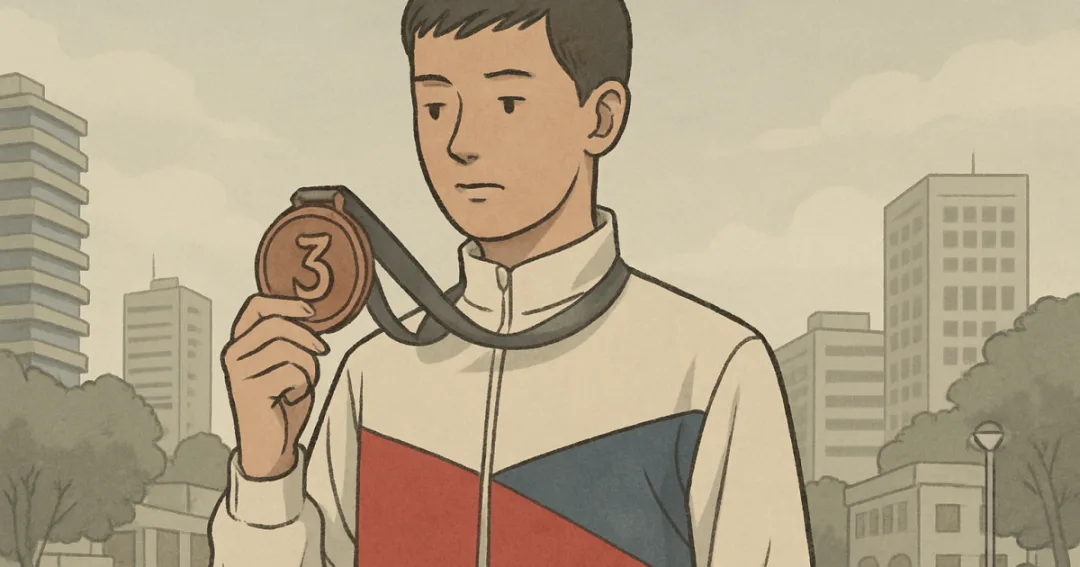
ATENEO BASKETBALL PROSPECT’S DEATH RAISES CALLS FOR JUSTICE
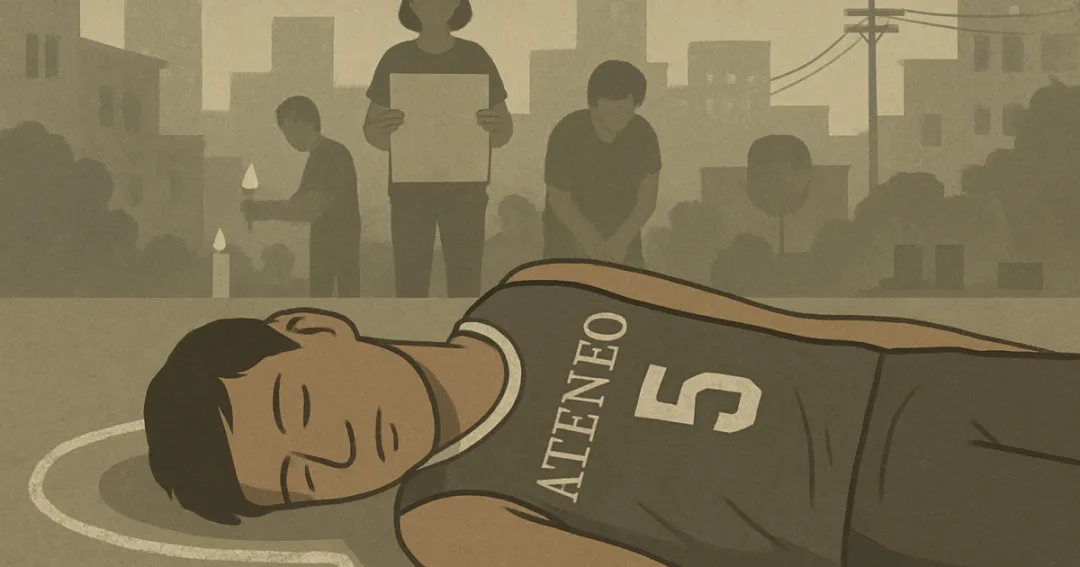
The death of a young Ateneo basketball prospect has struck a deep chord far beyond the university community. On the surface, it is the loss of a promising athlete whose future seemed full of possibility. Beneath that, however, lies a painful reminder of how vulnerable young people remain to violence, neglect, or systemic failure. When someone who stands as a symbol of aspiration and discipline dies in circumstances that raise questions, public reaction naturally shifts from grief to a demand for clarity. The call for justice, then, is not only about punishment, but about understanding what went wrong and ensuring that it does not happen again.
In a country where basketball holds an almost cultural status, the death of a rising player carries a special emotional weight. University basketball programs do not merely train athletes; they shape identities, foster communities, and offer pathways out of hardship for many families. When tragedy enters that space, it disrupts more than a team’s roster—it shakes public confidence in the environments we assume are safe and nurturing. Historically, high-profile cases involving student-athletes or youth figures have often triggered broader debates about safety, mental health, and accountability. This case appears poised to follow a similar trajectory, inviting scrutiny of the systems surrounding young athletes.
The calls for justice now emerging reflect a broader societal expectation that institutions act with transparency and integrity when tragedy occurs. People look to law enforcement, educational institutions, and sports organizations to cooperate, share information responsibly, and avoid any appearance of minimizing or deflecting responsibility. Due process must be respected, but so must the public’s legitimate interest in knowing whether negligence, abuse, or structural gaps played a role. The tension between protecting privacy and ensuring accountability is not easy to manage, yet it is precisely in such difficult moments that trust is either strengthened or eroded. If processes are seen as opaque or indifferent, public frustration will only deepen.
Beyond the immediate investigation, the case raises wider questions about how young athletes are protected and supported. Competitive sports environments can be physically demanding and psychologically intense, especially for those who carry family expectations and public visibility at a young age. Institutions that recruit and celebrate these prospects also bear a duty of care: to monitor their wellbeing, to provide accessible support systems, and to respond swiftly when warning signs appear. This duty does not end at the court or classroom door; it extends to dormitories, training facilities, transport, and the broader culture that surrounds the team. A serious review of existing safeguards—rather than symbolic statements alone—would be a meaningful response to the public’s concern.
Ultimately, the tragedy of a life cut short should prompt more than a cycle of outrage and forgetting. The insistence on justice should translate into better protocols, clearer lines of responsibility, and a deeper commitment to youth welfare across schools, clubs, and communities. While investigations must run their course without interference, citizens are right to expect that lessons will be drawn and acted upon. The memory of a young athlete whose potential will never be realized deserves more than ritual mourning; it calls for structural improvements that might protect others who follow. If this painful moment can lead to a more vigilant and compassionate environment for all young people, then some measure of meaning may yet be salvaged from the loss.