MAASIM RESIDENTS STAY EVACUATED AS SARANGANI RESPONDS TO WIDESPREAD EARTHQUAKE IMPACT
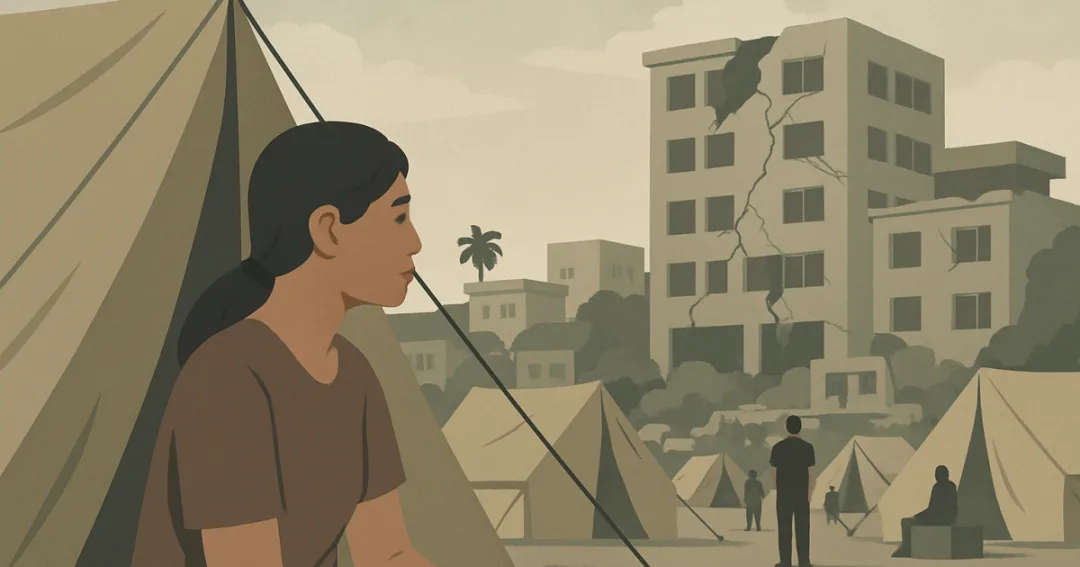
Residents of Maasim in Sarangani province remain in evacuation centers after a recent earthquake underscored the region’s vulnerability to natural hazards. The decision of many families to stay away from their homes, even after immediate shaking has subsided, reflects not only fear of aftershocks but also a rational assessment of risk in a seismically active area. This ongoing displacement is about more than temporary inconvenience; it is about safety, trust in institutions, and confidence in the resilience of local infrastructure. When people choose to remain in evacuation sites, it signals that they are still uncertain about the stability of their homes, the reliability of basic services, and the adequacy of official assurances.
Sarangani’s response to the widespread impact of the quake is taking place against a familiar backdrop in the Philippines, where earthquakes and other natural hazards are part of lived experience. Over the years, communities across the country have been repeatedly reminded that preparedness cannot be an occasional exercise but a continuous process. Local authorities, disaster response units, and community leaders are expected to coordinate relief, assess structural damage, and communicate risks clearly and consistently. The situation in Maasim illustrates how these responsibilities converge in real time: residents weigh official guidance against their own observations and memories of past disasters. Their decision to stay evacuated is, in many ways, a measure of how credible and reassuring these institutional responses appear on the ground.
The broader implications extend beyond emergency relief and temporary shelter. Prolonged evacuation disrupts livelihoods, schooling, and community life, especially in areas where people depend on daily income and local markets. When families cannot safely return home, questions arise about building standards, land use, and long-term planning in hazard-prone zones. It also raises the issue of how quickly essential services—water, electricity, health care, and communications—can be restored or maintained in the aftermath of a quake. These disruptions, if left unaddressed, can deepen existing vulnerabilities and slow down recovery long after the immediate crisis has passed.
At the same time, the situation in Maasim offers an opportunity to reassess how disaster risk reduction is integrated into everyday governance. Regular drills, community education, and clear evacuation protocols can only be effective if they are matched by resilient infrastructure and transparent decision-making. Institutions tasked with disaster management must not only respond to crises but also learn from them, refining hazard maps, reassessing building practices, and improving coordination among agencies. Public communication is central: people need timely, comprehensible information about structural assessments, potential secondary hazards, and the criteria for declaring areas safe. The more residents understand these processes, the more likely they are to act in ways that protect both their safety and their livelihoods.
Looking ahead, Maasim’s experience should be treated less as an isolated emergency and more as a case study in living with recurring geological risk. The persistence of evacuees in temporary shelters is a reminder that trust is built through consistency, competence, and visible follow-through on safety commitments. Strengthening that trust will require sustained investment in local capacity, from technical assessments to psychosocial support for affected communities. For Sarangani and similar provinces, the challenge is to ensure that each disaster response becomes a stepping stone toward a more resilient future, rather than a cycle of short-term fixes. If the lessons from this earthquake are absorbed and applied, the difficult days in evacuation centers may yet contribute to safer homes and more prepared communities in the years ahead.