AN INFORMATION GUIDE ON HELPING THE YOUTH PROCESS EARTHQUAKE SHOCK
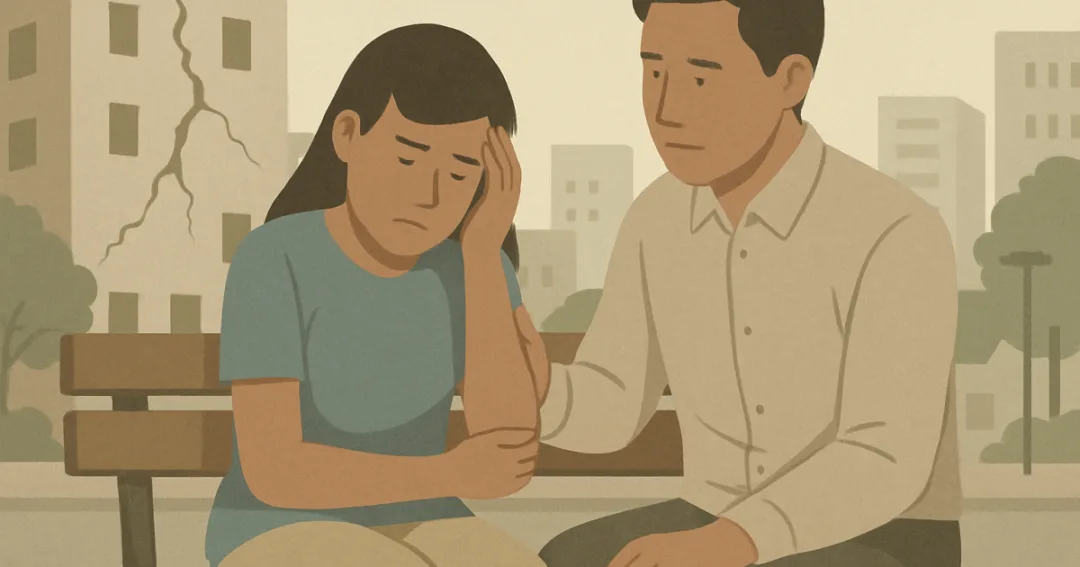
Earthquakes strike with a particular kind of cruelty: they arrive without warning, shatter the familiar, and then leave people to navigate an altered emotional and physical landscape. For young people, whose sense of safety and predictability is still being formed, this disruption can be especially destabilising. Children and adolescents may not always have the language to describe what they feel, yet their bodies and behaviour often carry the shock. Helping them process this experience is not merely a compassionate gesture; it is a public responsibility that influences how a generation will respond to future crises. An information guide aimed at supporting the youth must therefore be grounded in clarity, empathy, and realistic expectations.
The first task is to normalise the range of reactions young people may experience after an earthquake. Fear of aftershocks, difficulty sleeping, irritability, and sudden clinginess to caregivers are common responses, not signs of weakness. Older youth may show their distress in subtler ways, such as withdrawing from friends, losing interest in schoolwork, or appearing unusually numb. When adults understand that these reactions are typical, they are less likely to dismiss or overreact to them. A good guide explains that there is no “correct” way to feel after a disaster, while also pointing out when professional help may be needed if symptoms persist or worsen.
Context also matters. In many countries, earthquakes are recurring events, woven into collective memory and local stories. Past disasters often shape how communities talk about risk, safety, and resilience, and these narratives inevitably reach the youth. An information guide should acknowledge that some children may have heard frightening accounts from relatives or seen distressing images in the media. Instead of allowing these narratives to dominate, adults can use them to highlight lessons learned, improvements in preparedness, and examples of solidarity. This historical framing can help young people feel part of a continuing story of adaptation rather than helpless victims of random catastrophe.
Practical strategies are essential to move from fear to a sense of agency. Explaining, in age-appropriate terms, what earthquakes are and why they happen can reduce the security-related case of the unknown. Practising simple safety drills, preparing a family emergency kit, and identifying safe spots at home or school give children and adolescents concrete actions to focus on. Institutions such as schools, community centres, and faith-based organisations can reinforce these messages by integrating them into regular activities rather than treating them as one-time events. When youth participate in planning and preparedness, they begin to see themselves not only as potential victims but also as capable contributors in times of crisis.
Finally, an effective guide recognises that emotional recovery is a process, not a single conversation or workshop. Encouraging routines, maintaining open channels of communication, and creating spaces where young people can express themselves through talk, art, or play all support gradual healing. Adults should be reminded to monitor their own stress, since children often take emotional cues from the grown-ups around them. Over time, the goal is not to erase the memory of the earthquake but to integrate it into a broader understanding of risk, resilience, and community care. If societies invest in thoughtful, evidence-informed guidance now, they help ensure that the youth who live through today’s tremors will be better prepared—emotionally and practically—for the uncertainties of tomorrow.