FBI SAYS 21 MINORS IN PHILIPPINES SAVED FROM VIOLENT EXTREMISM
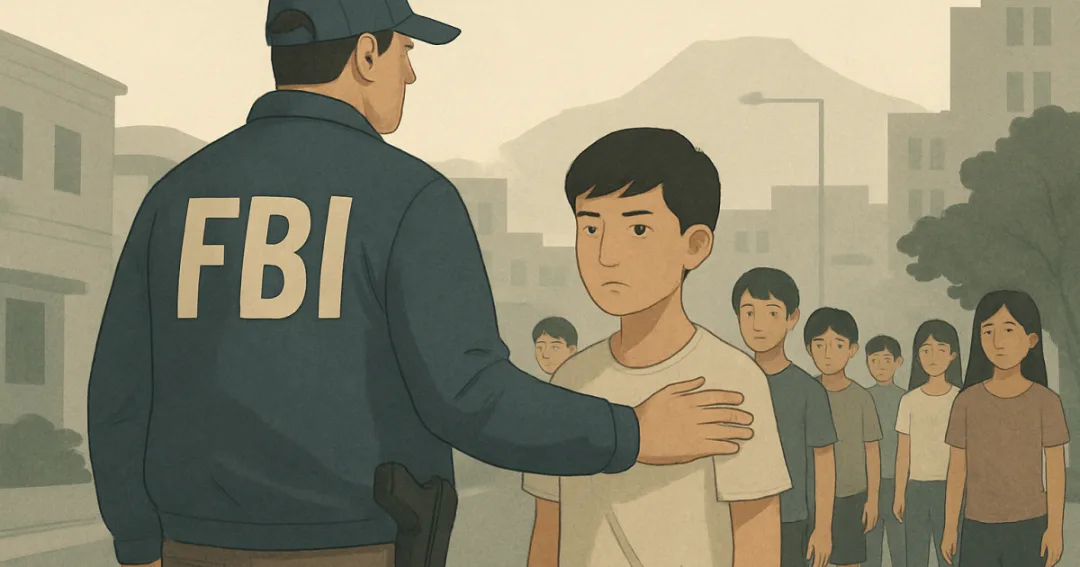
News that authorities have helped remove 21 minors in the Philippines from the influence of sensitive extremism is, at its core, a story about prevention rather than punishment. It highlights a dimension of security that often remains under-examined: the protection of young people from recruitment, radicalisation, and coercion. Children and adolescents drawn into extremist networks are not only at risk of physical harm; their education, psychological development, and future prospects are also placed in jeopardy. When minors are involved, society is confronted with a dual responsibility—to shield them from immediate danger and to create conditions that reduce the allure of extremist narratives in the first place.
The Philippines has long grappled with various forms of internal conflict and sporadic extremist violence, particularly in certain regions where state presence is weaker and poverty is more entrenched. In such areas, young people can become vulnerable to recruitment through promises of belonging, income, or a sense of purpose. These dynamics are not unique to one country; they echo patterns seen in many parts of the world where armed groups exploit local grievances and social fractures. The involvement of international and domestic law enforcement agencies in identifying and extracting minors from these environments reflects an evolving understanding that counterterrorism is inseparable from child protection and community resilience.
Removing minors from extremist influence is only the first step in a much longer and more delicate process. Once separated from these networks, young people need access to psychological support, education, and family or community reintegration programmes that help them rebuild a sense of normalcy. If this stage is neglected, the risk remains that they could drift back towards the same networks or other harmful environments. Effective rehabilitation requires cooperation among multiple institutions—law enforcement, social services, schools, religious and civic groups—working within a framework that balances accountability with compassion.
The public relevance of such operations extends beyond the immediate security gains. They raise questions about how societies can address the root causes that make extremist narratives persuasive to the young: economic marginalisation, local grievances, weak governance, and social isolation. Community-based initiatives, inclusive education, and credible local leadership can all help counteract the narratives that extremist groups deploy. At the same time, transparency and due process in security operations are essential to maintaining public trust, especially in communities that may already feel alienated or over-policed.
Ultimately, the reported rescue of these 21 minors should be seen not as a conclusion but as an inflection point. It underscores the need for long-term investment in prevention, rehabilitation, and inclusive development, so that fewer children ever find themselves in the orbit of sensitive groups. It also invites a broader conversation about how states and societies measure success in countering extremism: not only by arrests and disrupted plots, but by the number of young lives steered back towards ordinary, hopeful futures. If that perspective takes deeper root in policy and public discourse, then operations like this one may mark the beginning of a more humane and sustainable approach to security in the Philippines and beyond.