DAVAO REGION LANDS THIRD OVERALL IN PALARONG PAMBANSA 2026
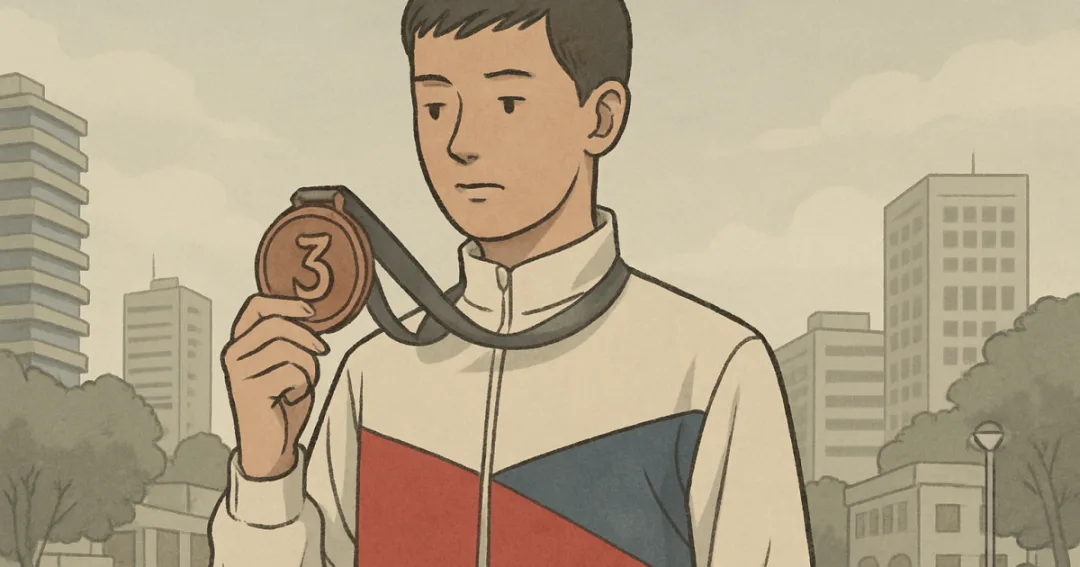
Davao Region’s third-place finish in the Palarong Pambansa 2026 is more than a line on a medal tally; it is a marker of how regional sports ecosystems are evolving in the Philippines. The Palaro has long been a barometer of grassroots athletic development, and landing in the top three suggests that years of incremental work in coaching, talent identification, and school-based training are beginning to cohere. While the spotlight often falls on traditional powerhouse regions, a strong performance from Davao underscores a more distributed landscape of sporting excellence. This shift matters because it hints at the possibility of a more inclusive national sports culture, where success is not confined to a few familiar centers.
To appreciate the significance of this result, it helps to situate it within the broader history of the Palarong Pambansa as a nationwide school sports program. For decades, the event has served as a training ground for athletes who later represent the country in higher-level competitions. Regional delegations, including that of Davao, have had to contend with disparities in facilities, access to qualified coaches, and consistent funding. A podium finish suggests that, despite these uneven conditions, some regions have managed to build more coherent systems for nurturing young athletes. It also indicates that student-athletes from outside the most resource-rich areas can compete more evenly when given sustained support.
At the same time, a single year’s ranking should not be over-interpreted as a definitive measure of long-term success. Performance in multi-sport events is influenced by many factors: the composition of the delegation, the sports prioritized by schools, and even the logistical challenges of travel and preparation. For Davao Region, third overall is an encouraging sign, but it is not yet a guarantee of enduring dominance or structural transformation. The more important question is whether this achievement can be translated into stable programs that outlast individual cohorts of talented students. Without continuity, today’s breakthrough risks becoming tomorrow’s missed opportunity.
The broader public relevance of Davao’s performance lies in what it reveals about youth development, not only in sports but in education and community life. When a region does well in the Palaro, it often reflects a degree of coordination among schools, local sports officials, and families who support student-athletes through demanding schedules. It can also inspire younger children to see sports as a legitimate avenue for personal growth, discipline, and even future scholarship opportunities. Yet there is a need for balance: academic priorities, mental health, and safe training environments must remain at the center of any push to improve medal standings. A third-place finish is valuable only if it is achieved without compromising the well-being of the very young people it is meant to uplift.
Looking ahead, the challenge for Davao Region is to treat this result not as a culmination but as a starting point for more deliberate, evidence-based sports development. That means reflecting on which aspects of preparation worked well and which still rely on improvisation or short-term fixes. It also invites national sports planners and education authorities to consider how successful regional practices can be shared, adapted, and scaled across the country. If approached thoughtfully, Davao’s ascent in the Palarong Pambansa can help strengthen the case for investing in grassroots sports as part of a broader strategy for youth empowerment. In the end, the true measure of this third-place finish will be whether it contributes to a more resilient, equitable, and aspirational sporting culture for students nationwide.