DA: HIGHER FOOD PRICES POSSIBLE
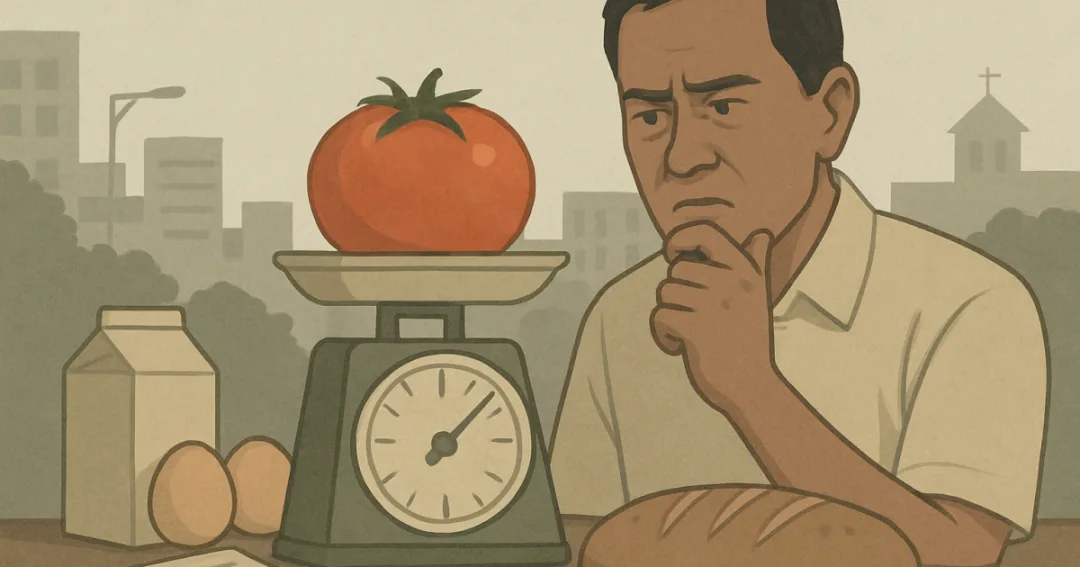
Rising food prices are often discussed in passing, as if they were just another line item in a household budget, but they are in fact a deeply consequential signal about the state of the economy and society. When an agriculture department warns that higher food prices are possible, it is not merely forecasting market movement; it is flagging a potential squeeze on millions of families whose incomes do not adjust as quickly as prices do. Food is not a discretionary purchase that consumers can easily delay or avoid, so price increases translate directly into changes in diet, nutrition, and quality of life. For low- and middle-income households, even modest price movements can force trade-offs between food, transport, education, and health. The issue matters not only for individual welfare but also for social stability, as prolonged pressure on basic needs can deepen frustration and erode public trust in institutions.
Food prices rarely move in isolation; they are shaped by a web of factors that include weather patterns, global commodity markets, fuel costs, and domestic production capacity. Periods of drought, flooding, or unpredictable rainfall can reduce harvests and shrink supply, while higher energy prices raise the cost of transporting goods from farms to markets. In an interconnected world, local markets are also affected by conditions abroad, such as export restrictions, disruptions in shipping lanes, or shifts in demand from larger economies. Historical experience shows that when food imports become more expensive, or when domestic output falters, prices at the retail level adjust quickly, often faster than wages or social support mechanisms can respond. Understanding this broader context is essential to interpreting any official caution about possible price increases.
For consumers, the most immediate implication of rising food prices is the erosion of purchasing power. Households may respond by buying cheaper brands, reducing the quantity or quality of food purchased, or cutting back on diverse and nutritious items such as fruits, vegetables, and protein sources. Over time, these adjustments can have health consequences, particularly for children and older adults who are more vulnerable to undernutrition. Small food businesses, such as market vendors and neighborhood eateries, also feel the strain as they try to balance higher input costs with the spending limits of their customers. The cumulative effect is a quiet but pervasive tightening of daily life that does not always show up in headline economic indicators.
From a policy perspective, the prospect of higher food prices tests the responsiveness and coordination of public institutions. Agriculture agencies, market regulators, and social welfare offices are expected to monitor supply conditions, assess vulnerabilities, and recommend measures that can cushion the impact on the most affected groups. These measures may range from facilitating the movement of goods to discouraging hoarding and excessive speculation, and, where resources allow, strengthening targeted assistance for food-insecure households. The credibility of these institutions depends less on grand announcements and more on consistent, transparent communication and timely, practical interventions. When the public sees that risks are being taken seriously and addressed systematically, anxieties about food prices can be tempered even if costs do rise.
Looking ahead, the recurring concern over food prices underscores the need for longer-term resilience rather than short-term fixes alone. Investing in more robust local production, better storage and distribution systems, and climate-resilient farming practices can gradually reduce the vulnerability of food supplies to shocks. Equally important is building reliable data and early warning systems so that potential price pressures are identified early and addressed before they become crises. While no country can fully insulate itself from global market forces or extreme weather, it can