DAVAO ORIENTAL WILL SOON HAVE A WEATHER STATION
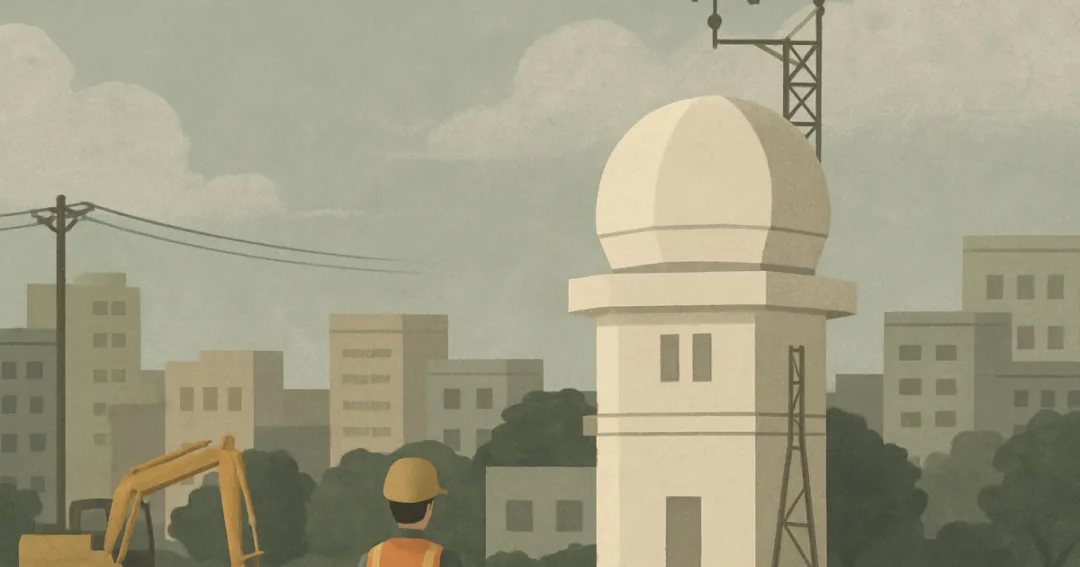
The establishment of a dedicated weather station in Davao Oriental is more than a technical upgrade; it is a quiet but significant investment in safety, planning, and local resilience. As a province regularly exposed to typhoons and heavy rainfall, Davao Oriental stands on the front line of climate-related risks. A local station promises more precise, timely data on rainfall, wind patterns, and approaching weather systems. This information can improve early warnings, guide evacuation decisions, and help reduce the human and economic costs of extreme weather. In a region where communities often live close to the sea or on vulnerable slopes, every hour of advance notice can make a meaningful difference.
Historically, many local governments in the Philippines have relied on regional or national-level forecasts that cover wide areas and may not fully capture microclimates or localized hazards. When forecasts are generated far from the communities they affect, there is a higher risk of either overestimating or underestimating the threat. A weather station situated within Davao Oriental itself can narrow this gap, offering more localized measurements and observations that complement broader national monitoring systems. Over time, the accumulation of local climate data can also reveal patterns that are not evident in short-term forecasts alone. Such historical records are vital for understanding how weather extremes are evolving and where vulnerabilities are growing.
Beyond disaster preparedness, a weather station can quietly transform everyday decision-making in sectors such as agriculture, fisheries, and infrastructure planning. Farmers benefit from more accurate rainfall and temperature information when deciding what to plant and when to harvest or irrigate. Coastal communities and fishers can better assess sea and wind conditions before setting out, reducing the risks associated with sudden weather changes. Infrastructure planners, from road engineers to school administrators, can use climate data to design structures and schedules that anticipate, rather than merely react to, harsh conditions. When weather information becomes specific, reliable, and locally grounded, it ceases to be an abstract forecast and becomes a practical tool.
The presence of a weather station also underscores the importance of coordination among scientific agencies, local governments, and communities. Equipment alone does not save lives; it must be paired with effective communication systems, clear protocols, and public trust in official advisories. Local authorities will need to ensure that data is translated into understandable warnings and that communities know how to respond when alerts are issued. Public education campaigns, regular drills, and consistent messaging can bridge the gap between technical capacity and real-world impact. In this sense, the station can serve as a focal point for building a culture of preparedness rather than a mere symbol of modernization.
Looking ahead, Davao Oriental’s weather station can be seen as part of a broader, long-term adaptation to a changing climate. As weather patterns become less predictable, localities that invest early in monitoring and preparedness will be better positioned to protect lives, livelihoods, and development gains. The new station will not remove risk, but it can help transform uncertainty into informed action. Its value will be measured not only in data collected, but in the quieter outcomes: fewer disrupted school days, more resilient harvests, safer journeys home. If supported and sustained, this facility can help Davao Oriental move from being merely exposed to the weather to being strategically prepared for it.