IN THE REAL WORLD

“In The Real World” has emerged as a recurring phrase in public conversations, often used to contrast everyday experience with idealized expectations. In the Philippine context, it appears in discussions about work, education, and online culture, where people draw a line between digital narratives and lived realities. The expression has been gaining traction on social media and in casual commentary, according to initial information from local trend monitoring. While the phrase is not tied to a single event or campaign, it functions as a shorthand for the gap between what people are told to expect and what they actually encounter. As of now, there are no confirmed details pointing to an organized movement behind its use, but it has clearly become part of the current vocabulary.
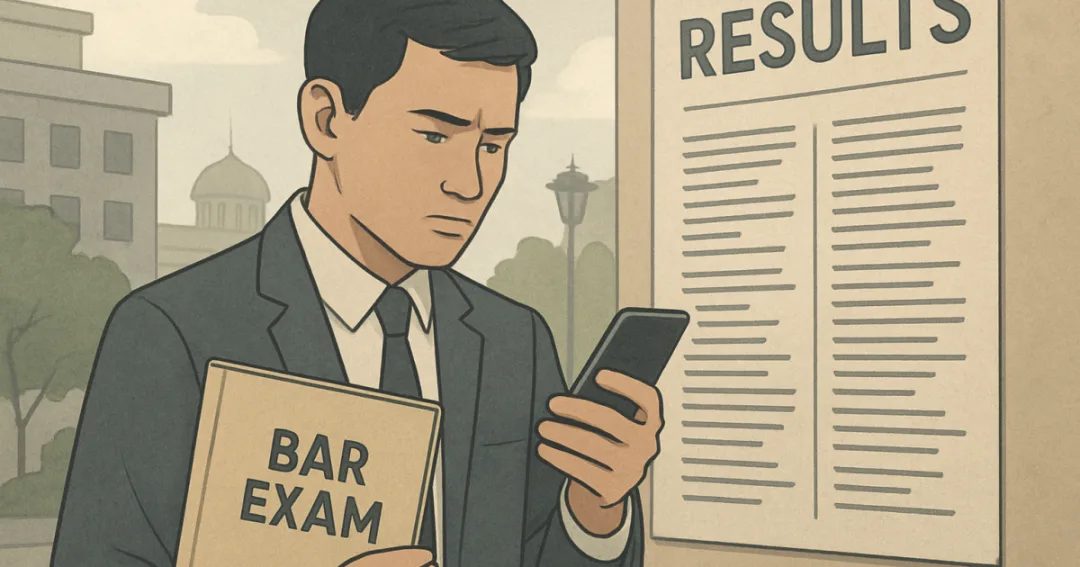
In education, “in the real world” is frequently invoked when students and fresh graduates talk about job readiness and practical skills. Teachers and guidance counselors report that learners are increasingly asking how classroom lessons translate to real-world tasks, based on preliminary reports from school forums and webinars. The phrase is also heard in conversations about internships, where young people compare theoretical knowledge with the demands of the workplace. This reflects a growing interest in competency-based training, industry linkages, and mentorship that can bridge the transition from campus to career. Observers note that such discussions align with long-standing calls for curricula that better match labor market needs.
Workplace conversations show a similar pattern, with employees using “in the real world” to describe issues like cost of living, work-life balance, and job security. Office workers and freelancers alike have been sharing stories online about how actual working conditions differ from recruitment pitches and motivational content, according to initial information from public posts and comment threads. Human resource practitioners say the phrase often surfaces when managing expectations about promotions, benefits, and performance targets. It has also appeared in discussions on remote and hybrid work, where staff compare promises of flexibility with the realities of connectivity, productivity, and caregiving responsibilities at home. As of now, there are no confirmed details that these references are being tracked in official labor data, but they contribute to a broader conversation on worker well-being.
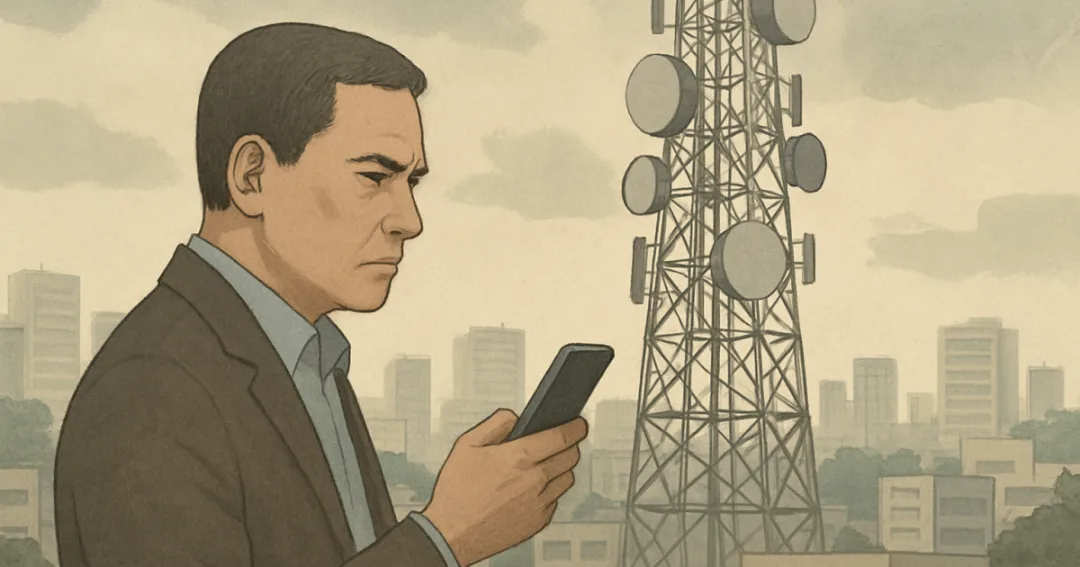
Beyond schools and offices, “in the real world” is being used to question the influence of curated online lifestyles and trends