DUTERTE GROUNDED, AS ICC CONFIRMS TRIAL FOR WAR ON DRUGS KILLINGS
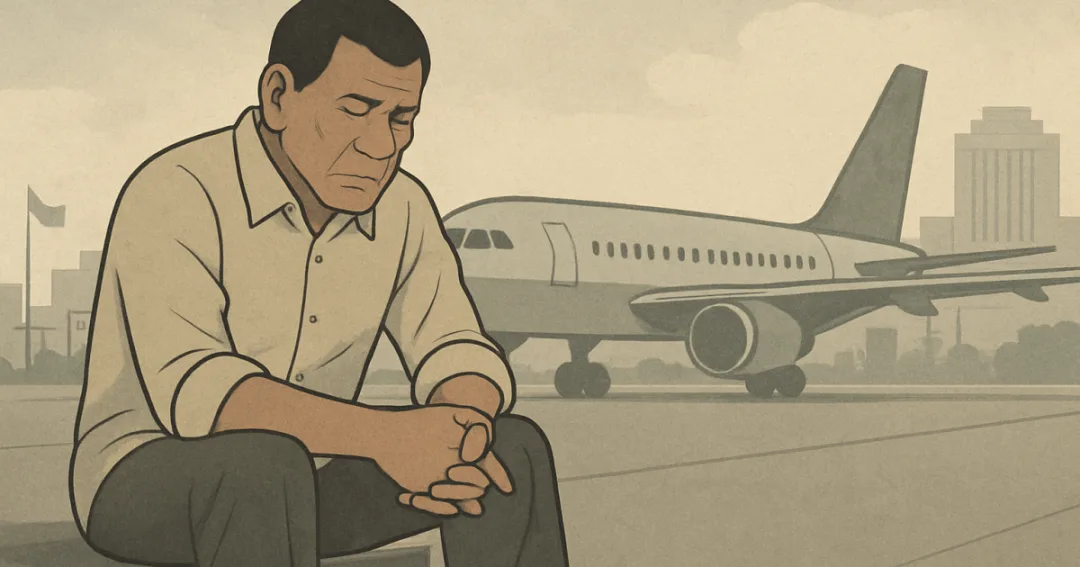
The decision of the International Criminal Court (ICC) to move forward with a trial concerning killings linked to the Philippines’ war on drugs marks a turning point for both the country and the broader debate over accountability in state-led security campaigns. For years, human rights advocates, families of victims, and various civic groups have pressed for a formal reckoning with the bloodshed that accompanied the anti-drug drive. Supporters of the campaign, on the other hand, have framed it as a necessary response to a serious social problem, insisting that strong measures saved lives in the long term. The ICC’s confirmation of a trial does not settle this argument, but it shifts the terrain: what was once a largely domestic dispute is now subject to an international legal process with its own standards, timelines, and consequences.
This development matters beyond the fate of any single political figure. It tests how far international judicial mechanisms can reach into actions taken by leaders who claim a broad mandate and who frame their policies as internal matters of law and order. The Philippines is not the first country to face external scrutiny for alleged abuses committed under the banner of security or anti-crime campaigns, yet each case adds to an evolving body of practice about when and how international courts intervene. For many observers in the region, the ICC’s move will be read as a signal that even popular or populist policies are not immune from legal review when they result in widespread loss of life. At the same time, it raises persistent questions about sovereignty, consent, and the balance between domestic jurisdiction and international oversight.
The broader context is a global struggle to define the limits of state power in dealing with crime, drugs, and social disorder. Around the world, governments have experimented with approaches that range from public health models to militarized crackdowns, often with contested results. The Philippine experience has become emblematic of the most forceful end of that spectrum, where rhetoric about toughness has been accompanied by allegations of extrajudicial killings and systemic impunity. The ICC’s involvement underscores how the line between legitimate law enforcement and unlawful violence is not merely a political judgment but a legal one. It also highlights that when domestic institutions are perceived—rightly or wrongly—as unwilling or unable to investigate themselves, external bodies may attempt to fill the vacuum.
For the Philippine public, the implications are complex and not purely legal. The trial process, even before any verdict, may reopen painful memories for families who lost loved ones and never saw a credible investigation. It may also deepen polarization, as supporters and critics of the previous administration interpret the ICC’s actions through their own political lenses. Institutions such as the judiciary, law enforcement agencies, and oversight bodies may come under renewed scrutiny regarding their handling of past operations and their current standards of accountability. More broadly, the episode could influence how future leaders design anti-crime strategies, weighing not only domestic approval but also the possibility of international review.
Ultimately, the ICC trial represents a moment of reflection for the Philippines and for other countries watching from afar. It invites a sober reassessment of what effective and humane drug policy should look like, and how societies can confront serious criminal challenges without eroding respect for life and due process. Whatever the outcome of the proceedings, the case will likely shape legal and moral debates about the responsibilities of those who wield state power. It may encourage more robust domestic safeguards, or it may provoke a defensive turn away from international institutions; both paths carry long-term consequences. For now