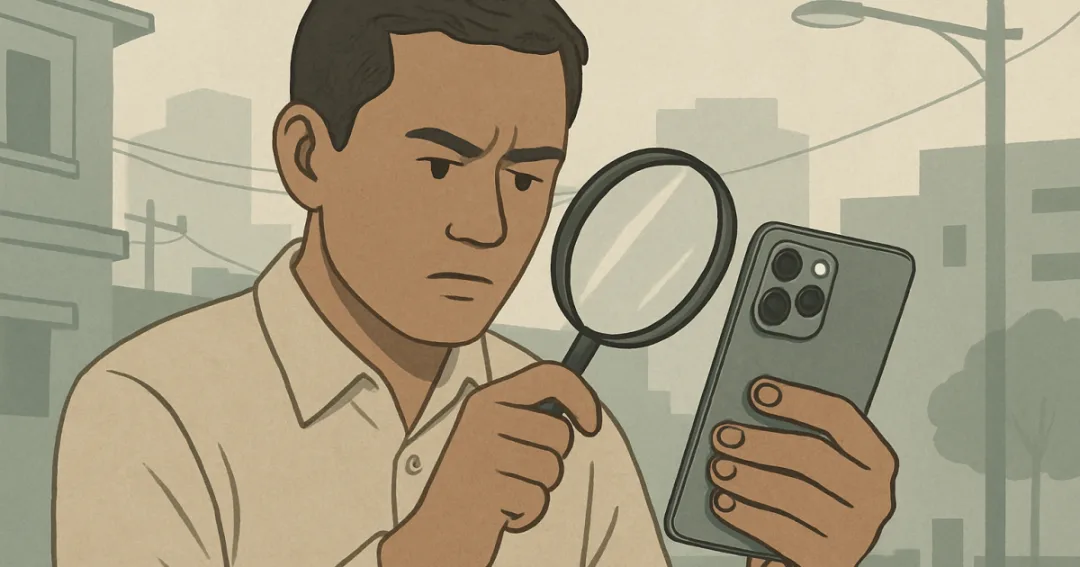
DEFEND PRESS FREEDOM
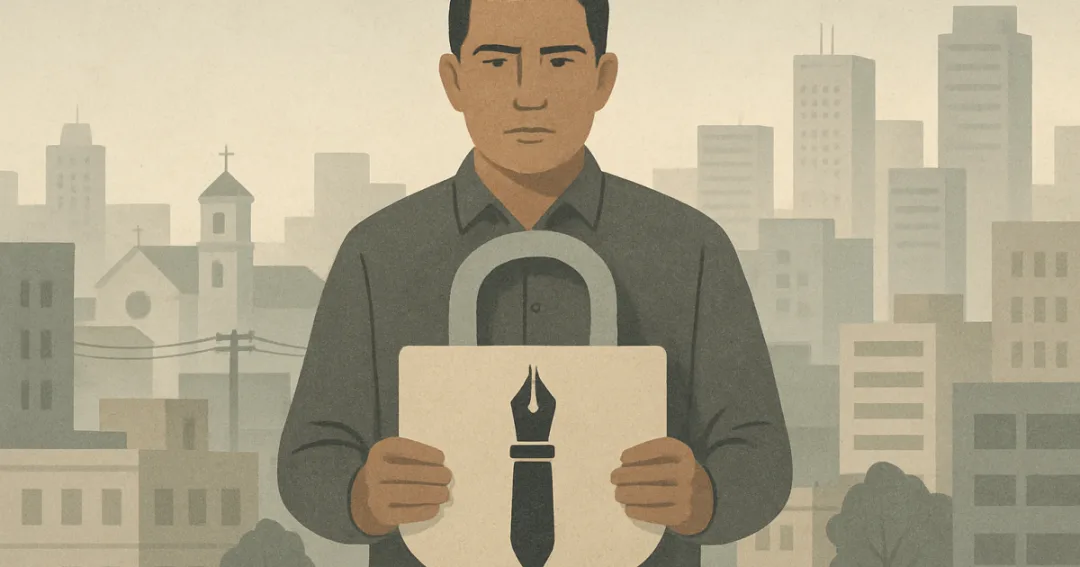
Press freedom is often described as a cornerstone of democracy, but the phrase has become so familiar that its meaning can seem abstract. At its core, a free press is simply the public’s right to know what is being done in their name and with their resources. When journalists can investigate, question, and publish without fear of undue interference, citizens are better able to understand their society and hold power to account. Conversely, when that freedom is weakened—whether through overt censorship, legal pressure, or economic intimidation—the flow of information narrows, and public debate is quietly impoverished. Defending press freedom, therefore, is not a niche concern of media professionals; it is a civic responsibility that affects anyone who relies on accurate, timely information to make decisions.
Historically, societies that have protected independent journalism, even imperfectly, have tended to develop stronger institutions and more resilient public discourse. The recognition that no authority should be beyond scrutiny emerged gradually, often in response to abuses that were exposed only because journalists persisted despite risks. Over time, legal protections and professional norms evolved to shield the press from direct control, while still expecting it to adhere to ethical standards. Yet these safeguards have never been absolute, and they are periodically tested by shifting political climates, social tensions, and technological change. The lesson from past struggles is clear: press freedom is not granted once and for all; it must be continually reinforced and defended.
In the present era, the threats to press freedom are more complex than simple bans or explicit censorship. Legal frameworks can be interpreted in ways that discourage critical reporting, while vague regulations on speech and security can create a climate of self-censorship. Economic pressures also play a significant role, as media organizations navigate shrinking revenues, ownership concentration, and dependence on powerful advertisers or sponsors. At the same time, online harassment and disinformation campaigns can be used to discredit journalists and erode public trust in legitimate reporting. These dynamics do not always make headlines, but they quietly shape what information reaches the public and how confidently it is received.
The implications for society are far-reaching. When journalists are chilled from investigating sensitive topics, important stories may never surface, leaving citizens with an incomplete picture of public affairs. A weakened press can also contribute to polarization, as unverified claims and partisan narratives fill the gaps left by diminished independent reporting. Trust in institutions, already fragile in many places, can erode further when people sense that information is filtered or incomplete. Defending press freedom, therefore, is closely linked to defending transparency, accountability, and social cohesion. It is in the public interest to ensure that journalists can work safely, ethically, and independently, even when their findings are uncomfortable or unpopular.
Looking ahead, defending press freedom will require a combination of legal vigilance, institutional responsibility, and public awareness. Laws and regulations should be examined to ensure they protect, rather than inadvertently restrict, independent journalism. Media institutions must continue to strengthen ethical standards and transparency to maintain credibility in an era of widespread misinformation. Most importantly, citizens themselves need to recognize that a robust, sometimes critical press is a sign of a healthy society, not a threat to it. Protecting the space for honest, rigorous reporting is ultimately an investment in a more informed, engaged, and resilient public life.