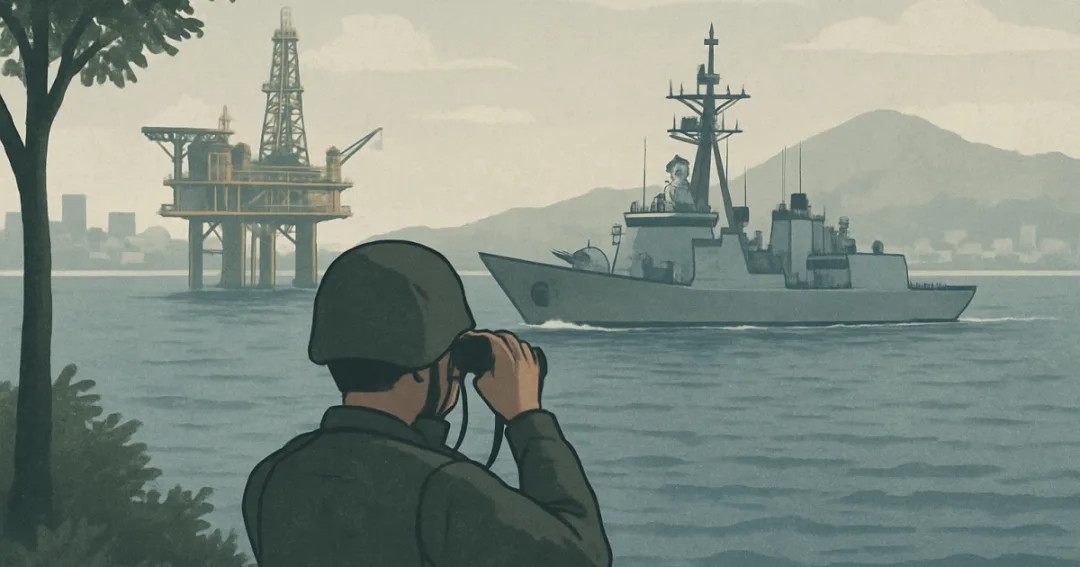
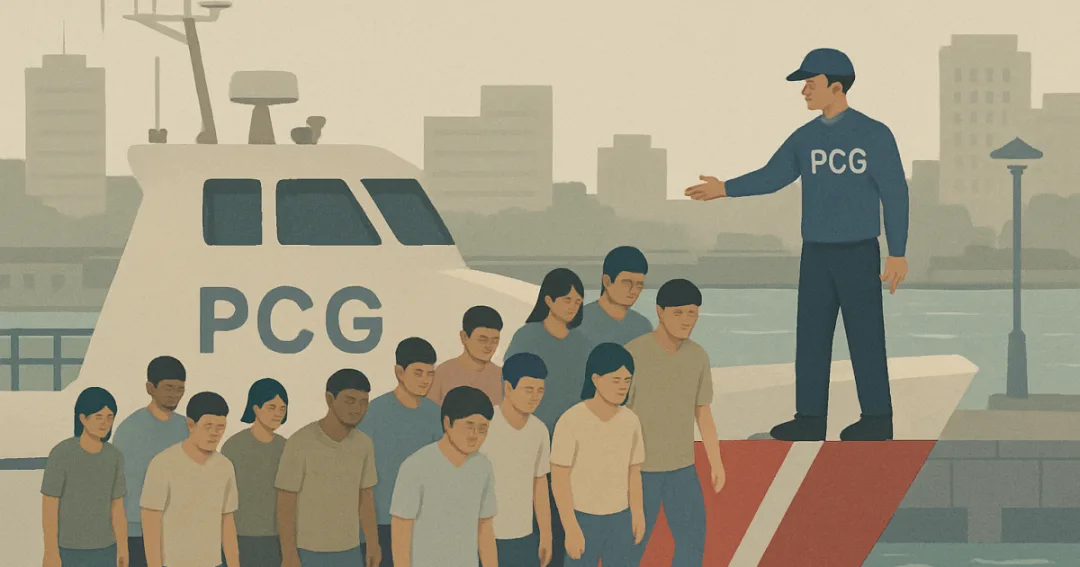
LIVE UPDATES: IMPACT OF MIDDLE EAST CRISIS ON THE PHILIPPINES
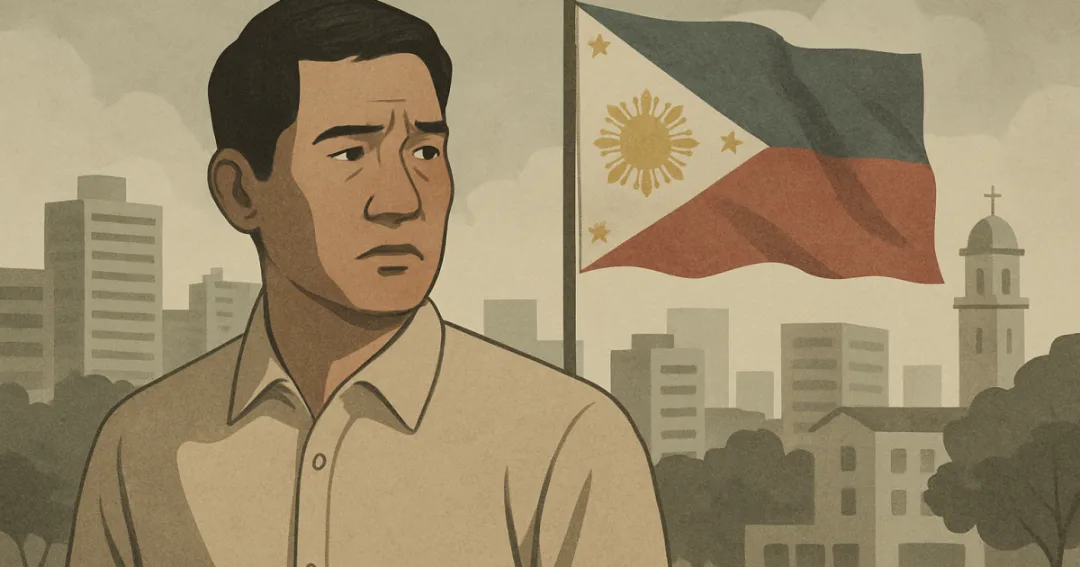
The latest escalation of conflict in the Middle East has once again placed the Philippines in a position of anxious vigilance. While the violence unfolds thousands of kilometers away, its effects are felt in Filipino households that depend on relatives working in the region, and in an economy closely tied to external markets. The government’s “live updates” and advisories reflect more than a communications exercise; they mirror a country trying to manage risk in real time. For many Filipinos, the crisis is not an abstract foreign policy issue but a daily concern about safety, livelihoods, and stability. This intersection of distant conflict and domestic vulnerability is what makes the situation particularly urgent to watch.
The Philippines’ connection to the Middle East has been built over decades through labor migration and energy dependence. Filipino workers have long been present across the region, drawn by demand for healthcare, domestic work, construction, and technical services. Their remittances help sustain household consumption and support local communities, making them a quiet backbone of the national economy. At the same time, the country remains heavily reliant on imported fuel, and disruptions in major oil-producing areas can quickly ripple through transport costs and electricity prices. These structural ties mean that any regional crisis is not only a diplomatic concern but also a social and economic one.
In this context, the live updates from authorities serve several important functions. They are meant to reassure families that their concerns are being heard, while also signaling that contingency plans for evacuation, assistance, and coordination are being prepared or adjusted. Consistent information can help reduce panic, especially in an age when unverified reports spread rapidly online and can deepen fear. At the same time, frequent briefings raise expectations that government agencies will act swiftly if conditions deteriorate. The credibility of these updates will depend on whether they are accompanied by visible, practical support for affected workers and their families.
Beyond the immediate human and economic stakes, the crisis highlights deeper questions about resilience and preparedness. The Philippines has long benefited from labor migration, but this dependence also exposes workers to geopolitical shocks far beyond their control. Similarly, reliance on imported fuel leaves the country vulnerable to price spikes driven by events it cannot shape. These vulnerabilities underscore the need for more diversified economic opportunities at home, as well as a more comprehensive energy strategy. Strengthening diplomatic engagement, crisis protocols, and social protection mechanisms can help cushion the impact when distant conflicts flare.
As the situation in the Middle East evolves, the Philippines will continue to walk a careful line between concern and calm. The task for policymakers is to move beyond reactive measures and use moments like this to reassess long-term strategies on labor, energy, and foreign relations. For the public, staying informed through credible channels and resisting the pull of alarmist narratives is equally important. Crises abroad will not disappear, but their impact at home can be managed with foresight, coordination, and a clear-eyed understanding of the country’s exposure. In the end, how the Philippines responds today will shape not only the safety of its citizens overseas, but also its capacity to face the next global shock with greater confidence.