MINING INDUSTRY SEEN TO DRIVE MINDANAO’S FUTURE ENERGY DEMAND
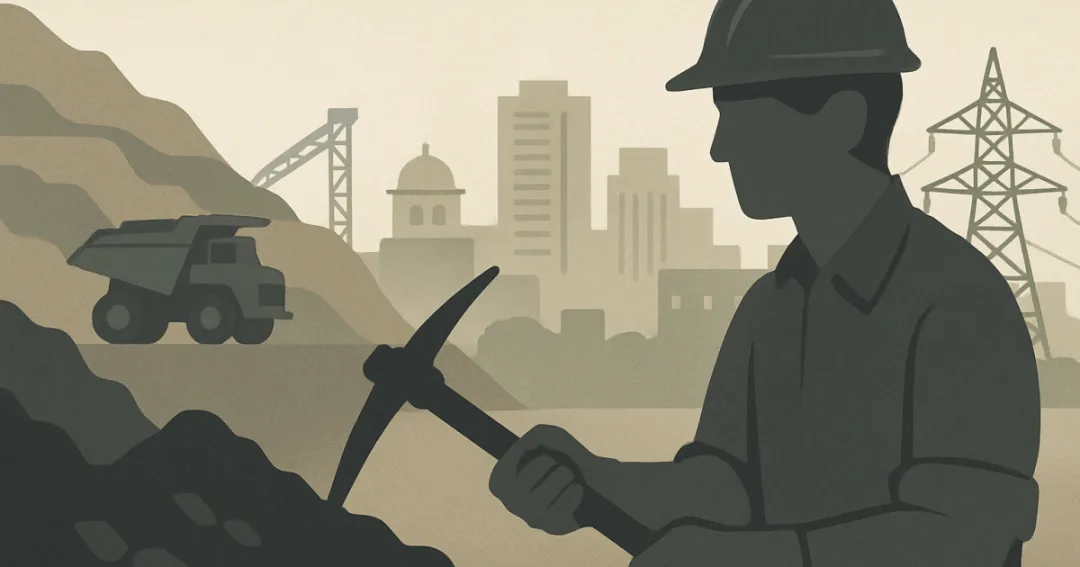
The expectation that the mining industry will drive Mindanao’s future energy demand places the island at a pivotal juncture. Mining operations are among the most power-intensive industrial activities, requiring steady, large-scale electricity for extraction, processing, and support facilities. As projects expand or new ones are proposed, planners anticipate a significant rise in baseload demand, especially in areas that are still transitioning from agricultural or mixed-use economies. This emerging pattern matters because the kind of energy system built to meet mining’s needs will shape the broader development trajectory of Mindanao for decades. The choices made now about generation sources, grid investments, and regulatory frameworks will either reinforce or challenge existing patterns of growth and inequality.
Historically, Mindanao’s energy story has been marked by periods of shortage, uneven access, and reliance on a limited mix of power sources. Communities and industries have experienced the consequences of unreliable supply, from rotating outages to constrained economic activity. In this context, the promise of new industrial demand can be seen as both an opportunity and a risk. On one hand, large consumers like mines can justify investments in new power plants and transmission lines, potentially improving reliability for the wider grid. On the other hand, if planning is narrowly focused on serving industrial hubs, less attention may be given to remote communities and small enterprises that also need affordable, stable electricity.
The mining sector’s projected energy appetite also raises fundamental questions about the direction of Mindanao’s development model. If future demand is driven mainly by resource extraction, there is a risk that the energy system becomes tailored to a single, volatile industry. Global commodity prices, environmental regulations, and social license pressures can change quickly, leaving stranded assets or underutilized infrastructure. Conversely, a diversified approach—where industrial demand from mining is integrated with the needs of agriculture, services, and emerging technologies—could create a more resilient energy landscape. The way institutions coordinate land use, environmental safeguards, and power planning will be crucial in avoiding overdependence on any one sector.
Environmental and social considerations sit at the heart of this debate. Mining already carries significant ecological and community impacts, and energy choices can amplify or mitigate these. Heavy reliance on fossil-based generation to serve mines could lock Mindanao into higher emissions and local pollution, at odds with broader sustainability goals. Yet the scale and predictability of mining loads could also be leveraged to support investments in cleaner technologies, grid modernization, and better demand management. The challenge for regulators, local governments, and industry is to ensure that energy infrastructure built for mining does not marginalize host communities but instead improves their access, safeguards their environment, and respects their rights.
Looking ahead, the prospect of mining as a primary driver of Mindanao’s energy demand should prompt careful, long-term thinking rather than short-term excitement. Strategic planning that weighs industrial growth against social equity, environmental integrity, and technological change will be essential. Transparent consultation processes, clear regulatory signals, and coordinated infrastructure development can help ensure that new demand becomes a catalyst for inclusive progress rather than a source of new vulnerabilities. Mindanao’s energy future need not be defined solely by the needs of extraction; it can be shaped into a platform for broader, more balanced development. Whether the region seizes that opportunity will depend on the decisions being made today, often far from the mine sites themselves, but with consequences that will be felt across generations.